
Carbon Credits, State Caution, and a Cooking Gas Model Under Scrutiny
As M-Gas seeks approval, the carbon market it enters looks far more cautious than it did a year ago

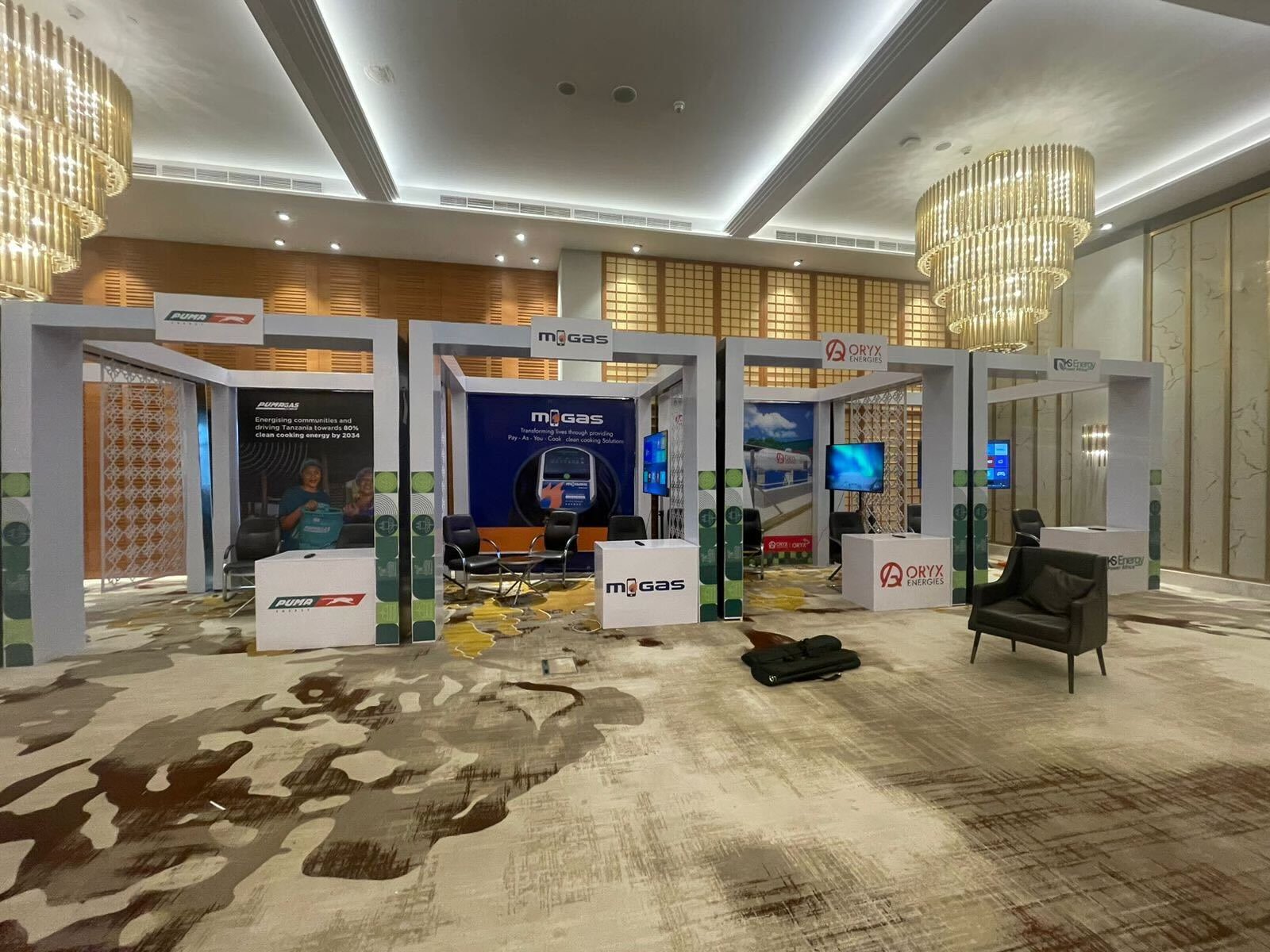
Kenya’s carbon market is entering a more guarded phase, and the conversation now runs through cooking fuel. The latest example sits with M-Gas, the Safaricom-backed LPG distributor seeking carbon credits project approval from the state.

On paper, the proposal fits neatly into climate policy language. Cleaner cooking. Lower emissions. Digital monitoring. Yet the politics around approval tell a different story, one shaped by scarcity, competing claims, and a government trying to decide how much climate value can be sold before it runs out at home.
M-Gas has secured a Letter of Approval, an early step that allows a project to proceed toward international carbon credit trading. The company’s next hurdle is authorisation under Kenya’s Climate Change (Carbon Markets) Regulations, 2024. That process now carries more weight than it did a year ago. The collapse of Koko Networks altered the tone of the discussion, turning what once looked like a technical approval pathway into a question about national allocation.
A Market Defined by Limits Rather Than Demand
Carbon credits were once framed as an open opportunity for developing economies. Kenya’s recent experience suggests something closer to rationing. Officials have made clear that approvals are no longer assessed only on environmental benefit or investment size. The state is now looking at how much of the country’s future emissions reductions can be claimed by a single private project.


Koko’s experience sits in the background. The company invested about $300 million in Kenya and built a distribution network that reached more than 1.5 million households. Its model depended on selling carbon credits generated by replacing charcoal and kerosene with bioethanol cooking fuel. When authorisation failed to materialise, the economics collapsed quickly. The government’s explanation was blunt. Allowing the scale of credits requested would have absorbed a large portion of Kenya’s available supply, limiting room for agriculture, manufacturing, and other sectors expected to seek similar approvals.
That argument reframes carbon markets from environmental instruments into allocation policy. Approval becomes less about whether emissions are reduced and more about who gets to monetise that reduction.

M-Gas enters this environment with a different structure but similar logic. Its pay-as-you-cook LPG model lowers upfront costs by allowing customers to purchase gas from as little as Sh10 through M-Pesa. Smart meters track consumption, and deliveries are handled automatically. The emissions argument rests on households moving away from charcoal and kerosene toward LPG. The commercial argument rests on carbon revenues helping subsidise expansion into low-income markets.
The tension lies in scale. Clean cooking projects work best when they reach millions of users. Carbon markets, however, reward scarcity.
Safaricom’s Presence and the Politics of Alignment
Safaricom’s involvement complicates the optics. The telco acquired an 18.96 percent stake in Circle Gas in 2019 for Sh384.6 million. Its current CEO Peter Ndegwa and former CEO Michael Joseph sit on Circle Gas’s board, while the Kenyan government retains a 35 percent stake in Safaricom itself. None of this implies preferential treatment, but it places the project within overlapping institutional interests.
The government’s current posture appears cautious rather than hostile. Officials have avoided public commentary on the authorisation process, even as scrutiny around carbon credits intensifies. The regulatory framework requires independent verification of project results and adherence to national economic and social safeguards. In practice, this gives ministries wide discretion over pace and scale.
That discretion matters. Carbon markets are no longer treated as purely private ventures. They sit alongside industrial policy, climate commitments, and fiscal exposure. The Koko situation made that exposure visible when its closure raised the prospect of a $179.6 million insurance claim through the Multilateral Investment Guarantee Agency, potentially leaving Kenya facing a Sh23.1 billion compensation dispute.
Government hesitation since then reflects a lesson learned the hard way. Approvals now carry long-term consequences beyond emissions accounting.
Clean Cooking as Climate Finance, Not Energy Policy
The clean cooking conversation often starts with energy access. Carbon finance has altered the incentives. Projects increasingly depend on carbon revenue to make low-margin distribution models viable. Without credit sales, subsidised stoves and fuel systems struggle to sustain themselves.
This creates an awkward reality. The environmental value is realised immediately when households switch fuels, but financial returns depend on international buyers and evolving carbon standards. That gap introduces risk. If credit prices fall or verification rules tighten, the economics weaken overnight.
M-Gas’s reliance on Safaricom’s Narrowband Internet of Things network and partnerships with suppliers such as TotalEnergies suggests a more infrastructure-heavy approach than earlier clean cooking ventures. The technology allows usage tracking and verification, which carbon markets favour. Yet it also ties the business model to regulatory continuity. Approval is not the end of uncertainty. It is the start of exposure to global compliance markets that remain uneven and politically sensitive.
The State’s Balancing Act
Kenya’s climate policy now sits between attraction and restraint. The country wants investment tied to emissions reduction, but it also wants to preserve room for future claims under international agreements. Carbon credits, once treated as surplus value, are increasingly viewed as a national asset with limits.
That explains the slower pace and tighter scrutiny. Officials are weighing not only environmental outcomes but also how approvals affect bargaining power in future climate negotiations. Allowing large private claims today may reduce flexibility tomorrow.
For companies like M-Gas, the implication is clear. Success depends less on technology or distribution reach than on alignment with national priorities as defined by regulators. The language of climate markets suggests neutrality. The reality looks more political.
The coming months will test whether Kenya can maintain investor confidence while asserting control over its carbon inventory. Clean cooking remains an obvious candidate for carbon financing. The question is how much of that value the state is willing to release, and on what terms, after learning that carbon credits can carry costs long after the cooking fuel is delivered.
[Secure Your Seat at Africa Tech Summit Nairobi 2026 | February 11–12 here] Use code TTRENDS10 at checkout to save 10% on your pass and join the leaders building Africa’s $1 trillion cross-border payment future.
Go to TECHTRENDSKE.co.ke for more tech and business news from the African continent.
Follow us on WhatsApp, Telegram, Twitter, and Facebook, or subscribe to our weekly newsletter to ensure you don’t miss out on any future updates. Send tips to editorial@techtrendsmedia.co.ke

