iPhone 16 Tops 2025 Smartphone Sales as the Market Grows Narrower at the Top
The rankings look familiar, but the forces holding them in place are getting harder and more expensive to ignore

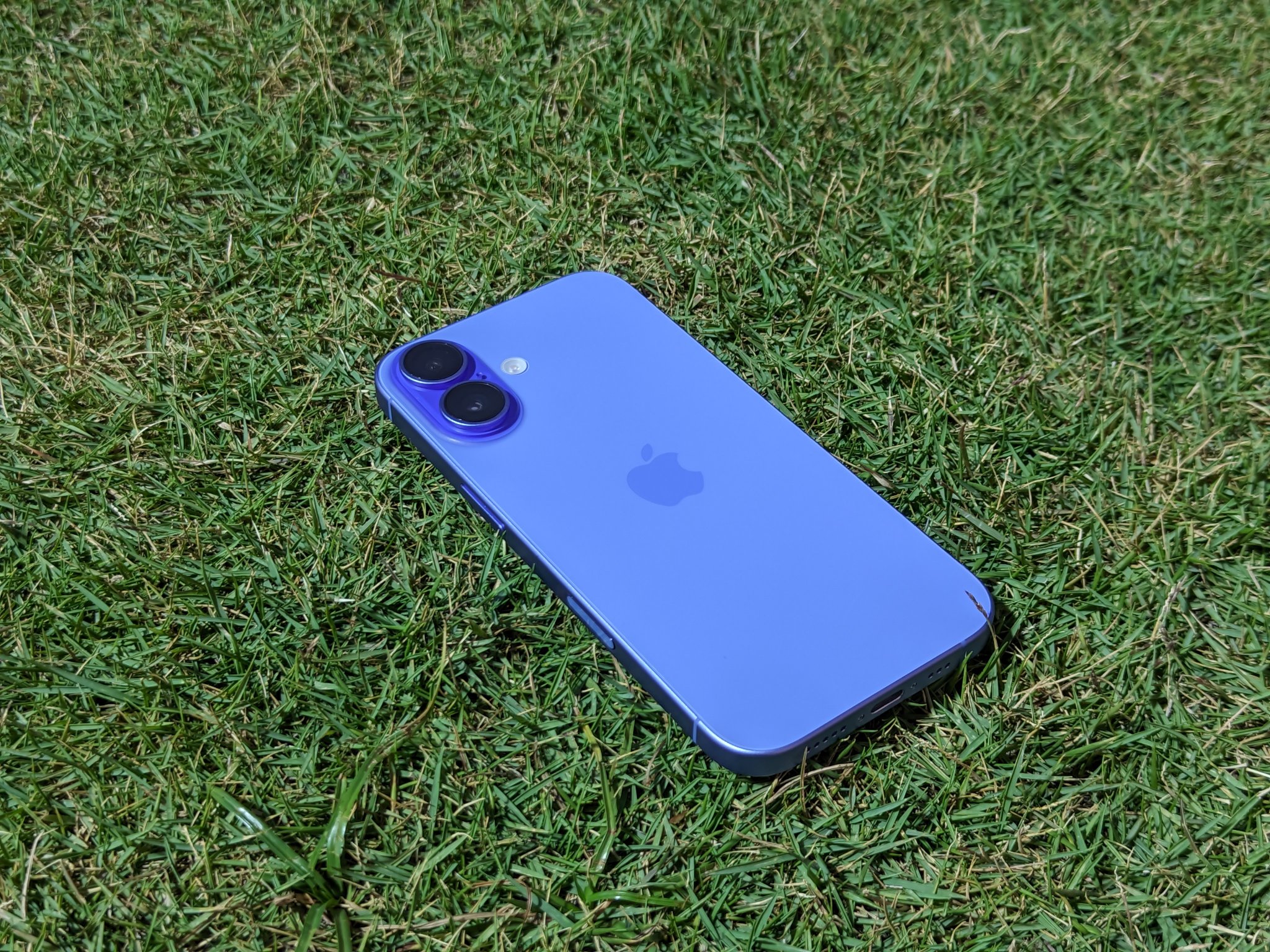
The iPhone 16 ended 2025 as the world’s top-selling smartphone, not as a surprise but as evidence of a market that has grown narrower and more unforgiving. Apple’s hold at the top now reflects consolidation more than momentum.

The iPhone 16’s sales performance in 2025 sits inside an industry where fewer models carry more of the load, price tolerance is rising, and the distance between premium devices and the rest has widened in just 24 months.
According to Counterpoint Research, the top 10 smartphone models accounted for 19% of all global handset sales in 2025. That figure tells a quieter story about concentration. Fewer models are doing more of the work. Apple and Samsung alone occupied all 10 slots for the fourth year running. There was no breakout outsider, no surprise volume champion from the margins. The market, at least at the top, has hardened.
When Iteration Starts to Carry Weight
Apple’s recent cycle has been defined by refinement rather than spectacle, and the iPhone 16 fits that pattern. It did not need to reinvent the category. It needed to land at the right intersection of price tolerance, ecosystem pull, and perceived longevity. The fact that the iPhone 17 base model, released later in the year, posted the fastest growth among its peers adds another layer. Counterpoint estimates the iPhone 17 series sold 16% more units than its predecessor line during its first full quarter.


That growth says less about novelty and more about calibration. A higher refresh rate, additional RAM, and larger base storage nudged the standard model closer to the Pro tier without collapsing Apple’s internal pricing ladder. The company has become adept at this balancing act. It stretches the lifespan of older models while making the newest ones feel just upgraded enough to justify replacement, especially in markets where carrier financing smooths out the sticker shock.
The Entry Point That Quietly Matters
One of the more revealing data points from 2025 sits slightly offstage. The iPhone 16e, a lower-cost entry into Apple’s lineup, added volume without challenging the hierarchy. It offered access rather than aspiration. Japan and the US emerged as its strongest markets, which tracks with regions where ecosystem lock-in and long device ownership cycles already shape buying behavior.
This is Apple using segmentation as pressure control. By offering a softer landing into iOS, it absorbs demand that might otherwise drift toward refurbished devices or rival platforms. It is not about chasing first-time smartphone buyers anymore. It is about managing the flow within a mature user base.
Samsung’s Two-Track Reality
Samsung’s presence across 3 of the top 10 models reflects a different problem set. The Galaxy A16 5G became the best-selling Android phone of 2025 by leaning on balance rather than bravado. Hardware competence, broad availability, and dependable software support carried it far. The earlier refresh of the Galaxy A17 5G trimmed the A16’s runway slightly, a reminder that Samsung’s volume strategy depends on tight timing.
At the other end of the spectrum, the Galaxy S25 Ultra tells a more complicated story. It returned to the top 10 for a second consecutive year, with especially strong gains in Japan and India. Counterpoint reports more than 3x year-on-year growth in Japan and double-digit growth in India. Those are not casual improvements. They point to a segment of buyers willing to pay for AI-heavy features and long-term relevance, even as mid-range prices creep upward.
What stands out is how close the S25 Ultra has come to Samsung’s A series in sales share, despite the wide price gap. That tension runs through the entire Android ecosystem. Premium Android devices are selling better, but they are still tethered to volume lines that keep the lights on.
A Market Leaning Toward the Top
Looking ahead into 2026, memory pricing hangs over the industry like weather. Counterpoint expects supply constraints to hit entry-to-mid-tier smartphones hardest, particularly in regions such as the Middle East, Africa, and Latin America. These are markets where price elasticity remains high and margins thin.
The likely outcome is not a collapse at the bottom, but a subtle reweighting. Flagship devices, already better insulated against component cost increases, could claim a larger share of total sales value. Replacement cycles may stretch, yet financing programs, trade-in offers, and the refurbished channel will keep transactions moving. The phone market has become skilled at absorbing stress without obvious breaks.
What the Rankings Leave Unsaid
Lists like these reward clarity. They rank, count, and compare. What they rarely capture is the mood of the market. In 2025, that mood feels cautious but committed. Consumers are not buying more phones. They are buying fewer models with longer expectations attached. Manufacturers are responding by sharpening their top lines and protecting their entry points.
The iPhone 16’s sales run in 2025 says less about dominance and more about control. Apple and Samsung are working within tighter boundaries shaped by cost pressure and saturated demand, relying on careful upgrades rather than broad expansion. The lack of new names in the top 10 is not a fluke. It is the market revealing its limits.
For now, the winners look familiar. The reasons they keep winning have become more interesting, and more constrained, than the rankings alone suggest.
[Secure Your Seat at Africa Tech Summit Nairobi 2026 | February 11–12 here] Use code TTRENDS10 at checkout to save 10% on your pass and join the leaders building Africa’s $1 trillion cross-border payment future.
Go to TECHTRENDSKE.co.ke for more tech and business news from the African continent.
Follow us on WhatsApp, Telegram, Twitter, and Facebook, or subscribe to our weekly newsletter to ensure you don’t miss out on any future updates. Send tips to editorial@techtrendsmedia.co.ke

