
The OnePlus Era Is Over
The brand remains visible, but authority no longer lives inside it

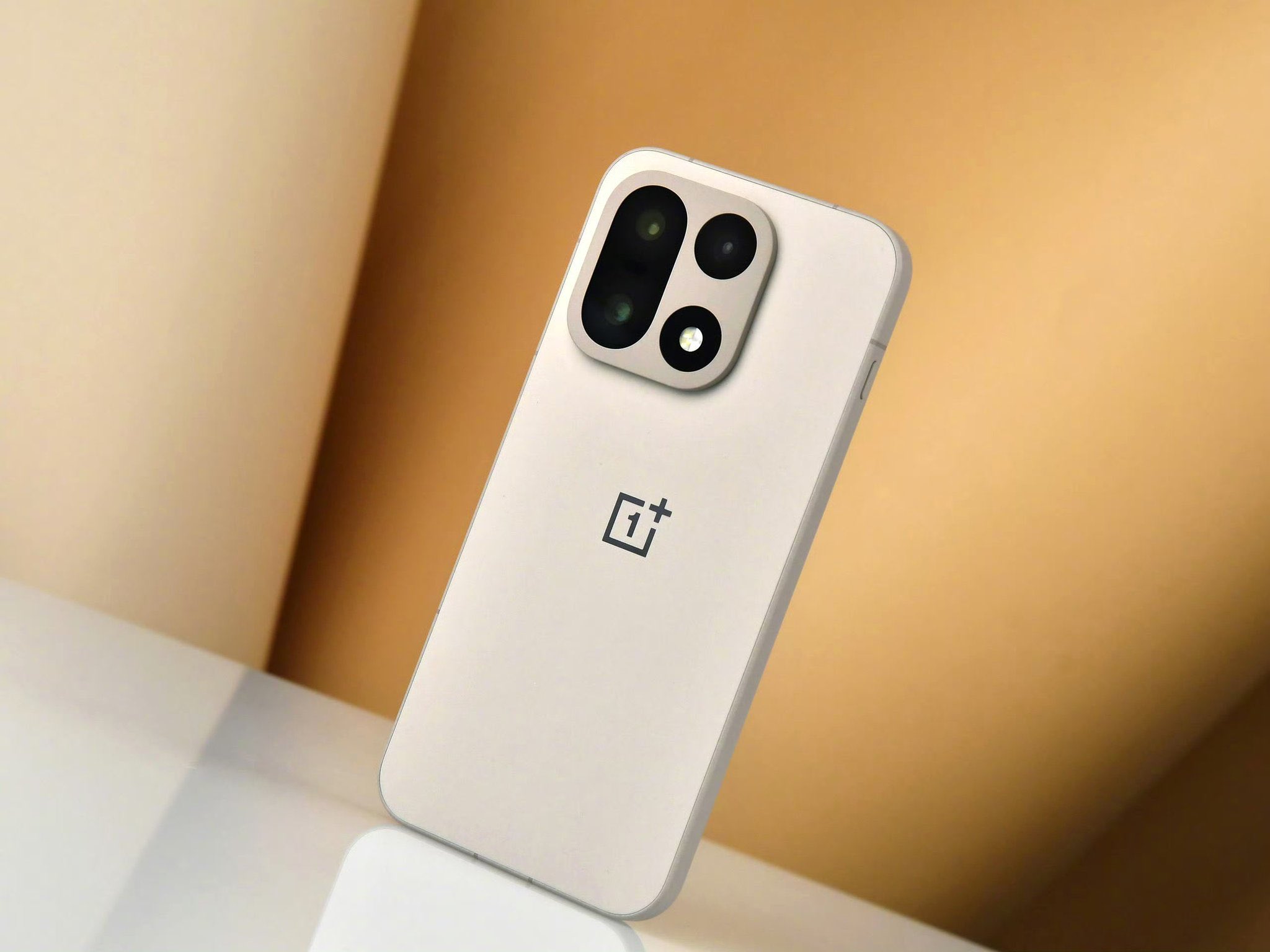
The OnePlus brand dismantling is not a rumor circulating at the edges of the industry. It is an observable process already underway. Offices have closed. Teams have thinned to near absence. Product lines have narrowed. Strategic control has been centralized. The brand still exists, but its independence does not.

This is not a sudden failure. It is a managed reduction, executed without ceremony and designed to avoid disruption while the structure underneath is stripped down. OnePlus continues to ship phones and push updates because those obligations are easy to honor. What has stopped is investment in a future where OnePlus operates as a fully realized brand.
The Sales Math That Forced the Decision
By 2024, OnePlus global shipments had fallen more than 20 percent, sliding from about 17 million units to roughly 13 to 14 million. Over the same period, OPPO Group grew 2.8 percent, driven almost entirely by the OPPO brand. OnePlus was no longer underperforming in isolation. It was pulling against the direction of the parent company.
At roughly 1.1 percent of global smartphone shipments, OnePlus could not justify the cost of standing alone. Separate marketing operations, regional headquarters, dedicated product planning, and localized partnerships only work at scale. Once volume eroded, those structures became liabilities.
The response was not a turnaround plan. It was consolidation.
India’s Collapse Closed the Escape Route
India had been positioned as the market that would sustain OnePlus when Western demand softened. That assumption failed under pressure. In May 2024, around 4,500 retail stores across 6 states stopped selling OnePlus devices, citing warranty delays and margins too thin to support the brand. Within 12 months, OnePlus premium segment share fell from 21 percent to 6 percent. Overall share dropped from 6.1 percent to 3.9 percent.

India and China together account for about 74 percent of OnePlus shipments. Once India faltered, the business lost its last buffer. There was no alternative market large enough to absorb the decline.
The earlier commitments now read as abandoned rather than deferred. A 2019 pledge to build an India R and D center of 1,500 employees by 2022 resulted in a workforce of 116 by February 2024. No revision followed. The plan was simply discarded.
China Removed the Remaining Leverage
In China, OnePlus entered 2024 with a stated goal of surpassing a 3 percent market share benchmark set by Xiaomi’s core brand. The year closed at about 1.6 percent, down from roughly 2 percent. That decline alone was enough to narrow internal patience.
Domestic competition left no room for sentiment. Once OnePlus failed to scale inside its home market, decision making tightened. Authority moved inward. Regional strategy ceased to exist. Local offices stopped shaping plans and started executing directives.
That change matters more than any single sales figure. It marks the point where OnePlus stopped functioning as a brand with agency.
The Physical Retreat Came First
The operational drawdown preceded public awareness. OnePlus shut its Dallas headquarters in March 2024 without announcement. North American operations now run out of Palo Alto with fewer than 15 staff. Carrier relationships dissolved earlier. The T Mobile partnership ended in early 2023, and subsequent flagships launched in the United States without carrier backing.
Europe followed a similar path years earlier. By 2020, OnePlus teams in France, Germany, and the United Kingdom had been reduced from about 60 employees to fewer than 10. No formal restructuring was communicated. The roles disappeared.
Marketing mirrored operations. Launch events collapsed into short remote briefings. Budgets did not taper. They vanished.
The $14 Billion That Bought Time, Not Recovery
In December 2022, OPPO committed roughly $14 billion to support OnePlus, opening retail stores, service centers, and allowing phones to sell at minimal or zero margin. That investment was not aimed at growth. It was meant to prevent immediate failure.
It did not alter trajectory. By 2024, OPPO posted modest growth while OnePlus continued to contract at double digit rates. At that point, further subsidy became unjustifiable. Maintaining OnePlus as a distinct brand cost more than it returned.
The solution was structural absorption rather than renewal.
What Remains for Users
Existing commitments will be honored. Devices already sold will receive the promised 3 to 4 years of Android updates and 4 to 5 years of security patches. Warranties remain intact, backed by OPPO’s infrastructure.
What disappears is ambition. Product diversity narrows. Experimental devices are cut. Regional differentiation fades. Future OnePlus phones become derivatives of shared internal platforms rather than statements of direction.
That outcome does not require an announcement to be real.
A Brand Reduced to a Label
The OnePlus brand dismantling is not a single event. It is a process defined by subtraction. Fewer people. Fewer markets. Fewer decisions made in public view.
OnePlus once occupied a rare position, small enough to move fast and visible enough to matter. That space has collapsed under the economics of a market that rewards scale and punishes anything in between.
If another OnePlus flagship appears, it will not mark a revival. It will mark the end of autonomy, a phone released under a name that once stood for defiance and now functions as a badge applied after the decisions are already made.
[Secure Your Seat at Africa Tech Summit Nairobi 2026 | February 11–12 here] Use code TTRENDS10 at checkout to save 10% on your pass and join the leaders building Africa’s $1 trillion cross-border payment future.
Go to TECHTRENDSKE.co.ke for more tech and business news from the African continent.
Follow us on WhatsApp, Telegram, Twitter, and Facebook, or subscribe to our weekly newsletter to ensure you don’t miss out on any future updates. Send tips to editorial@techtrendsmedia.co.ke


