Paystack Enters Nigeria’s Banking Sector with Acquisition of Ladder Microfinance Bank

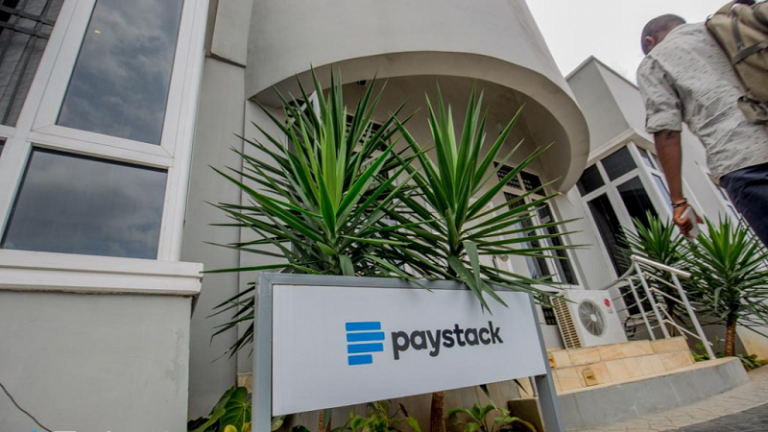
Paystack, the Stripe-owned fintech leader, has officially entered Nigeria’s banking sector through the acquisition of Ladder Microfinance Bank.

Announced on Wednesday, January 14, 2026, the deal marks Paystack’s evolution from a pure-play payments processor into a full-stack financial services provider. The newly acquired entity has been rebranded as Paystack Microfinance Bank (Paystack MFB).
For a decade, Paystack has been the backbone of digital commerce in Nigeria, helping over 300,000 businesses accept payments. However, the acquisition of Ladder MFB allows the company to move “up the stack,” gaining the regulatory license required to hold deposits and issue credit capabilities it lacked under its previous switching and processing licenses.
Paystack MFB will operate as a separate, independently governed sister company to Paystack Payments Limited. This structure allows the firm to innovate in the banking space while minimizing regulatory overlap between its core infrastructure and its new deposit-taking activities.


According to Paystack’s Chief Operating Officer, Amandine Lobelle, the bank’s initial priority will be addressing the $32 billion financing gap facing Nigerian small and medium enterprises (SMEs).
Using real-time transaction data from its payment gateway, Paystack MFB plans to offer working capital loans, merchant cash advances, and overdrafts with faster approval times than traditional banks. The bank will also provide APIs that allow other startups and developers to embed financial features, such as digital accounts and savings, into their own products without needing to secure their own banking licenses.

Additionally, while the initial focus is B2B, the bank will eventually expand to consumer loans. Paystack’s digital wallet app, Zap, launched in early 2025, is expected to be integrated under the MFB umbrella.
The entry into banking puts Paystack in direct competition with established digital-first players like Moniepoint, OPay, and Kuda, as well as traditional microfinance giants like LAPO.
“After 10 years of building payment infrastructure, we realized that businesses needed more than just getting paid to grow,” Lobelle stated. “By bringing a bank license in-house, we are combining tech-first innovation with the stability of traditional banking.”
The move is seen by industry analysts as a defensive and offensive masterstroke. By controlling the full lifecycle of a transaction, from the moment a customer pays to the moment a business reinvests that capital via a loan, Paystack is positioning itself as the definitive financial operating system for the African continent.
[Secure Your Seat at Africa Tech Summit Nairobi 2026 | February 11–12 here] Use code TTRENDS10 at checkout to save 10% on your pass and join the leaders building Africa’s $1 trillion cross-border payment future.
Go to TECHTRENDSKE.co.ke for more tech and business news from the African continent.
Follow us on WhatsApp, Telegram, Twitter, and Facebook, or subscribe to our weekly newsletter to ensure you don’t miss out on any future updates. Send tips to editorial@techtrendsmedia.co.ke