
Fewer AFCONs, Higher Stakes, and a Broadcast Market Bracing for Impact
Scarcity is becoming part of the strategy, and broadcasters are reading the fine print closely

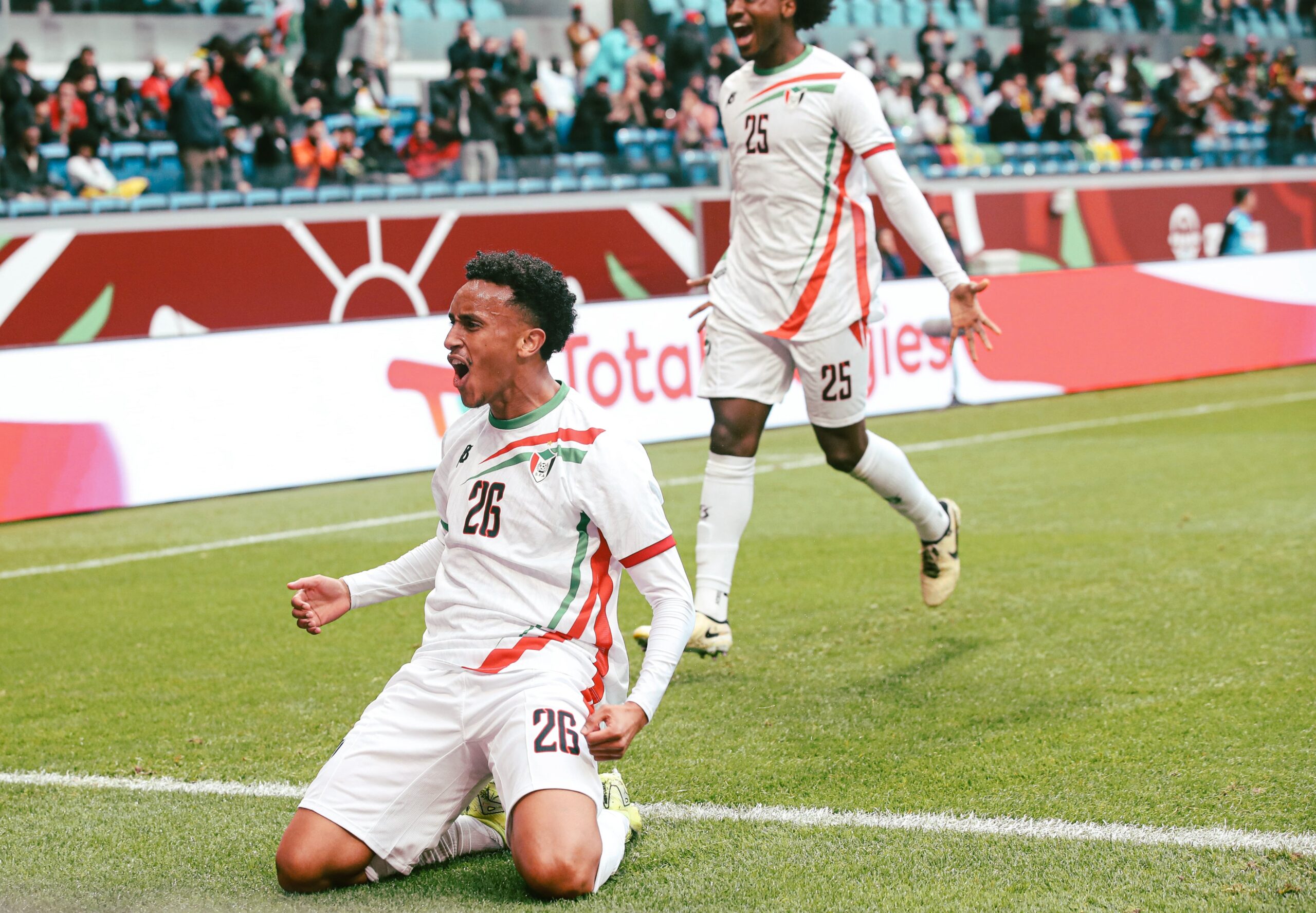
African football has a habit of forcing big arguments through small administrative decisions. The latest one arrived disguised as a scheduling tweak. By moving the Africa Cup of Nations onto a four year cycle and filling the gaps with a new continental competition, CAF has altered the rhythm of its most valuable product. Broadcasters noticed immediately.

For decades, AFCON functioned as the continent’s commercial anchor. It arrived often enough to sustain relationships with sponsors and rights holders, even when infrastructure lagged and governance drifted. That predictability carried a price. European clubs complained. Global calendars buckled. Players travelled long distances in the middle of club seasons. CAF absorbed the noise, until it decided it could not.
The revised calendar compresses scarcity into the tournament that pays the bills. Fewer editions mean fewer inventory windows. In media economics, scarcity tends to sharpen appetites. That expectation now sits at the center of negotiations that will begin once CAF’s current global media arrangement expires.
Why Scarcity Changes the Math for Broadcasters
AFCON remains African football’s primary revenue engine. Even modest growth in broadcast fees can tilt CAF’s balance sheet in meaningful ways. Recent tournaments have already demonstrated how advertising, sponsorship, and rights sales can compound when audiences consolidate around a single event.


Moving AFCON further apart does not remove demand. It concentrates it. Advertisers prefer moments that dominate attention. Broadcasters prefer tournaments that arrive with a sense of occasion rather than routine. A four year cycle turns AFCON into something closer to a global appointment, particularly if scheduling avoids collisions with European championships.
That concentration also raises risk. Missed targets hurt more when there is no near term recovery window. CAF’s answer is the African Nations League, an annual competition designed to maintain broadcast presence during international breaks. It offers continuity, though not equivalence. No new tournament inherits prestige overnight. Rights buyers will price that uncertainty carefully.

The Mobile Screen Problem Nobody Can Ignore
Any conversation about African football broadcast rights now runs through a phone screen. Across the continent, fans increasingly encounter matches through clips, highlights, and informal streams rather than traditional television schedules. This behavior does not diminish demand. It complicates monetization.
Broadcasters accustomed to linear viewing models face a fragmented audience that moves quickly and shares widely. Rights packages built solely around television exposure look dated. The next negotiation cycle will test whether CAF can structure deals that account for mobile consumption without surrendering value to platforms that monetize attention indirectly.
Streaming companies hover in the background. Their interest is not sentimental. They see a young audience, inconsistent coverage, and a tournament with cultural gravity. The challenge lies in pricing access without eroding relationships with local broadcasters who still carry much of the reach.
Europe’s Shadow and Africa’s Autonomy Question
The calendar change reopened a long running tension. European clubs hold leverage through contracts and wages. African federations hold cultural ownership of their flagship competition. When CAF adjusted its schedule, some coaches and administrators heard accommodation rather than strategy.
That perception matters. Broadcast rights thrive on narrative as much as numbers. A tournament framed as responsive to external pressure risks diluting its identity. A tournament framed as confident enough to reorganize itself commands respect in negotiations.
CAF’s leadership insists the changes support long term sustainability. Financial statements offer partial validation, with recent profits following years of losses. Whether that improvement continues depends on how convincingly CAF can present its competitions as essential viewing rather than calendar fillers.
The Next Negotiation Cycle Will Test Institutional Maturity
The previous era of African football rights was defined by uneven deals, legal disputes, and underperformance relative to global peers. Comparisons with European competitions underline the gap, though they also obscure context. Africa’s audience is vast, dispersed, and younger. Its commercial infrastructure remains uneven.
The upcoming broadcast negotiations will reveal how much progress CAF has made in packaging that reality. Expect aggressive pitches built around consolidated tournaments, cross platform distribution, and regional flexibility. Expect caution from buyers wary of overestimating immediate returns.
One outcome appears likely. African football will no longer accept being priced as peripheral content. The calendar has been reset. The inventory reshaped. The audience is already watching, often on devices that defy old assumptions. Rights holders who misread that environment risk arriving late to a market that is reorganizing itself in plain sight.
Go to TECHTRENDSKE.co.ke for more tech and business news from the African continent.
Follow us on WhatsApp, Telegram, Twitter, and Facebook, or subscribe to our weekly newsletter to ensure you don’t miss out on any future updates. Send tips to editorial@techtrendsmedia.co.ke
TechTrends Media Podcasts

