

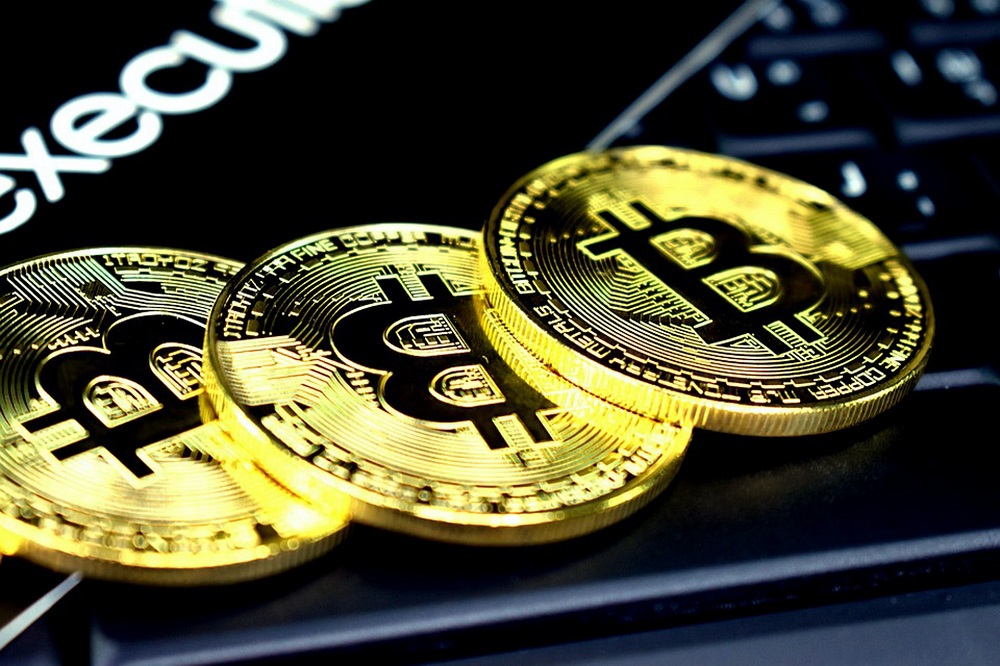
If you only read headlines, you’d think “Bitcoin casinos” still define crypto gambling. But when we look at what people actually use to move money in and out of betting accounts in 2025, the story is different. Bitcoin opened the door. Stablecoins walked in, rearranged the furniture, and now they more or less run the house.

From our side of the cashier, the pattern is obvious: a user comes in through https://1xbet.tz/en/user/login, checks their balance, places a few bets, and withdraws again. That whole cycle is short, intense, and repeated often. For that rhythm, “digital dollars” win out over a wildly swinging asset almost every time.
Bitcoin Was the Hero. Stablecoins Are the Tool.
Bitcoin did the heavy lifting early on: it made on-chain gambling possible, attracted the first wave of crypto-native players, and proved that you could move value in and out of a sportsbook without touching a bank.
But once the novelty phase passed, utility started to matter more than ideology. By 2024–2025, industry trackers were already noting that stablecoins powered a majority of crypto gambling deposits, with USDT and USDC making up close to 90% of stablecoin volume on some casinos.


For everyday betting, the trade-off is simple:
- Bitcoin
- Big brand, deep liquidity
- Higher and more variable fees
- Confirmation delays when the network is busy
- Price can move 5–10% in a day
- Stablecoins (USDT, USDC, etc.)
- Pegged to a fiat currency (usually USD)
- Fast settlement on modern chains and L2s
- Low, predictable fees
- Value stays roughly the same between deposit and withdrawal
That last line is the key. Crypto gambling has grown into a high-frequency activity — the global crypto gambling market jumped from around $50M in 2019 to roughly $250M in 2024, and continues to expand. In that environment, players don’t want their chip value changing every hour. They want fast, predictable transactions while they focus on the bets, not the coin chart.

Volatility Is Fun Until It Eats Your Winnings
On paper, winning a bet in Bitcoin sounds glamorous. In practice, we see the same story over and over:
- You deposit the BTC equivalent of $100.
- You run hot and finish the week at +20%.
- Between your first deposit and final withdrawal, the BTC price drops 25%.
In fiat terms, you can “win every ticket and still lose on the balance sheet.” That’s fine if you treat your betting wallet as part of a long-term Bitcoin stack. It’s a lot less fun if you just wanted a clear picture of how your bets went.
Stablecoins remove that noise. When you deposit 100 USDT and cash out at 120 USDT, your betting result is clean:
- Your bankroll behaves like a normal currency.
- You can track profit/loss without opening a price chart.
- You’re separating betting risk from market risk instead of mixing them.
For many users, that separation is the real upgrade. If they want exposure to BTC or ETH, they buy it on an exchange and hold it. If they want to bet on tonight’s matches, they use something that doesn’t move under their feet.
Why Operators Built Around Stablecoins Too
The shift isn’t just on the player side. Operators have quietly reorganised their plumbing around stablecoins because they solve several headaches at once.
From the inside, stablecoins help with:
- Treasury management
Balances are in a familiar unit (dollars or a local equivalent), which makes risk control, reporting and hedging far easier than juggling multiple volatile assets. - Payment rail flexibility
Modern stablecoins move across multiple chains — TRON, Ethereum L2s, Solana and others — letting platforms route around congestion and high fees. - Compliance and transparency
Serious issuers publish reserve reports and work with regulators; that makes it simpler to integrate stablecoins into licensed environments than exotic tokens that have no clear backing.
As a result, many “crypto casinos” in 2025 don’t look like radical experiments anymore. They look like normal books with one extra set of cashier options — and a back office that thinks in stablecoin rails by default.
2026 Isn’t About If Stablecoins Stay. It’s About Which Ones
Looking ahead, the question we’re planning for internally isn’t “Will stablecoins still matter in 2026?” The numbers have already answered that: they settle trillions in payments annually and have passed giants like Visa on raw transaction volume in some recent reports.
The real questions now are more specific:
- Which chains give the best mix of speed, fees and reliability on peak sports nights?
- How will new rules — from frameworks like MiCA in Europe to stablecoin guidance in major hubs — shape which assets we can support and how we KYC them?
- How many users will want a hybrid flow: fiat in, stablecoin out, or the other way around?
Those are infrastructure questions, not hype questions. Bitcoin will stay in the picture as a store of value and a brand people recognise. But for moving chips in and out quickly, with as little drama as possible, the centre of gravity has already shifted.
Go to TECHTRENDSKE.co.ke for more tech and business news from the African continent and across the world.
Follow us on WhatsApp, Telegram, Twitter, and Facebook, or subscribe to our weekly newsletter to ensure you don’t miss out on any future updates. Send tips to editorial@techtrendsmedia.co.ke


