
The Kenyan government has moved to ensure local control over Safaricom by establishing strict leadership conditions for Vodacom Group as the South African giant prepares to take a controlling 55 percent stake in the telco.
The government has mandated that the Chairman and Chief Executive Officer of Safaricom must, at all times, be Kenyan citizens.
“The chairman and the chief executive officer of the company shall at all times be citizens of Kenya,” the government said in a statement.
This specific clause marks a significant shift in the corporate governance of Safaricom, effectively ending the era of expatriate leadership at the helm. By reserving the CEO and Chairman positions for nationals, the government aims to ensure that strategic execution and boardroom leadership remain in Kenya.
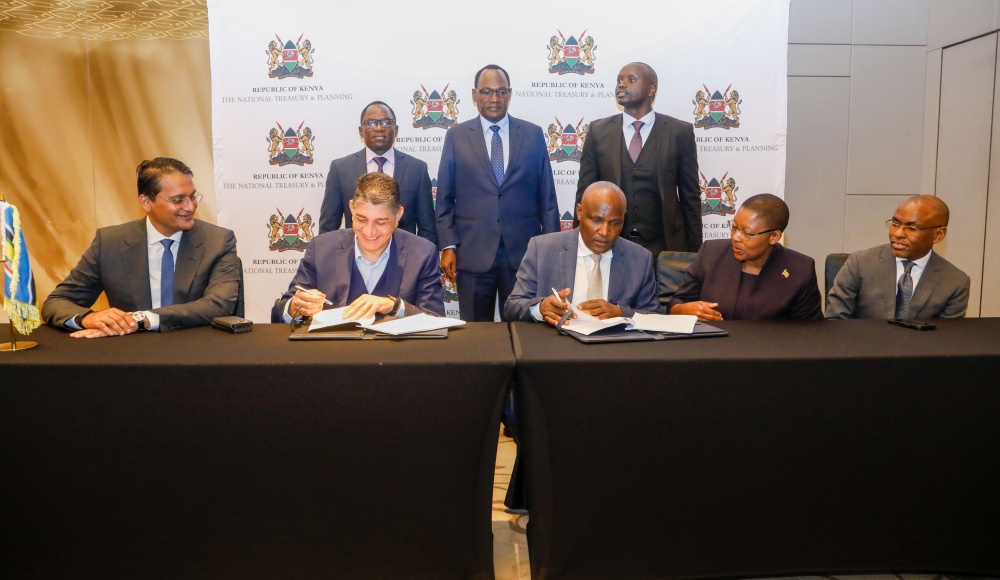
The Kenyan government recently agreed to sell a 15% stake in Safaricom to Vodafone Kenya Limited. The deal, disclosed in a public notice dated December 3 and valued at Kes 204.3 billion (US$1.6 billion), will see the state reduce its shareholding to fund critical infrastructure projects while cementing Vodafone’s majority control over the telco.
The proposal will see Vodafone Kenya acquire approximately 6 billion ordinary shares at a price of Kes 34.00 (US$ 0.26) per share. This valuation represents a significant vote of confidence in Safaricom, offering a premium of 18.4% over the company’s average trading price on the Nairobi Securities Exchange (NSE) for the past 90 trading days, and 33.9% over the past 180 trading days.

Upon completion of the transaction, Vodafone Kenya’s direct stake in the telco will increase to 55%, crossing the threshold for majority control. The government of Kenya will retain a 20% stake, while public investors will continue to hold the remaining 25%.
According to Kenya’s National Treasury Cabinet Secretary, John Mbadi, this proposed partial divestment was guided by the need to mobilize non-tax revenue in a responsible and forward-looking manner, reducing pressure on taxpayers and limiting the country’s reliance on debt to finance national priorities.
“The proceeds will form part of the seed capital for the National Infrastructure Fund and the Sovereign Wealth Fund, helping us build the long-term financial foundations our country needs,” he said.
In addition to top leadership roles, the government also secured several other clauses to preserve Safaricom’s local identity. For instance, the acquirer is prohibited from changing Safaricom’s corporate brand, including its name, trademarks, and logos, without consent from the Kenyan government.
“There are no changes to the corporate brand of the Company, including, without limitation, any change to the ‘Safaricom’ brand, name, trademarks, logos or associated get-up,” the government stated.
To allay fears of post-acquisition restructuring, the deal stipulates that no employee redundancies shall be declared by the company other than in the ordinary course of business. Additionally, local businesses feeding into the Safaricom ecosystem have been protected, with a mandate that there must be no significant changes to local suppliers for at least three years following the deal’s signature date.
Furthermore, while Vodacom will take over majority ownership, its ability to expand Safaricom’s footprint is subject to state oversight; the firm must consult the government before supporting any expansion outside Kenya.
“Prior to supporting any expansion outside Kenya (excluding any existing operations outside of Kenya), [the firm must] consult with the GOK in respect of such expansion… provided that the GOK’s consent shall not be required for Vodacom Kenya Limited’s support of any expansion,” the statement reads.
Go to TECHTRENDSKE.co.ke for more tech and business news from the African continent and across the world.
Follow us on WhatsApp, Telegram, Twitter, and Facebook, or subscribe to our weekly newsletter to ensure you don’t miss out on any future updates. Send tips to editorial@techtrendsmedia.co.ke

