

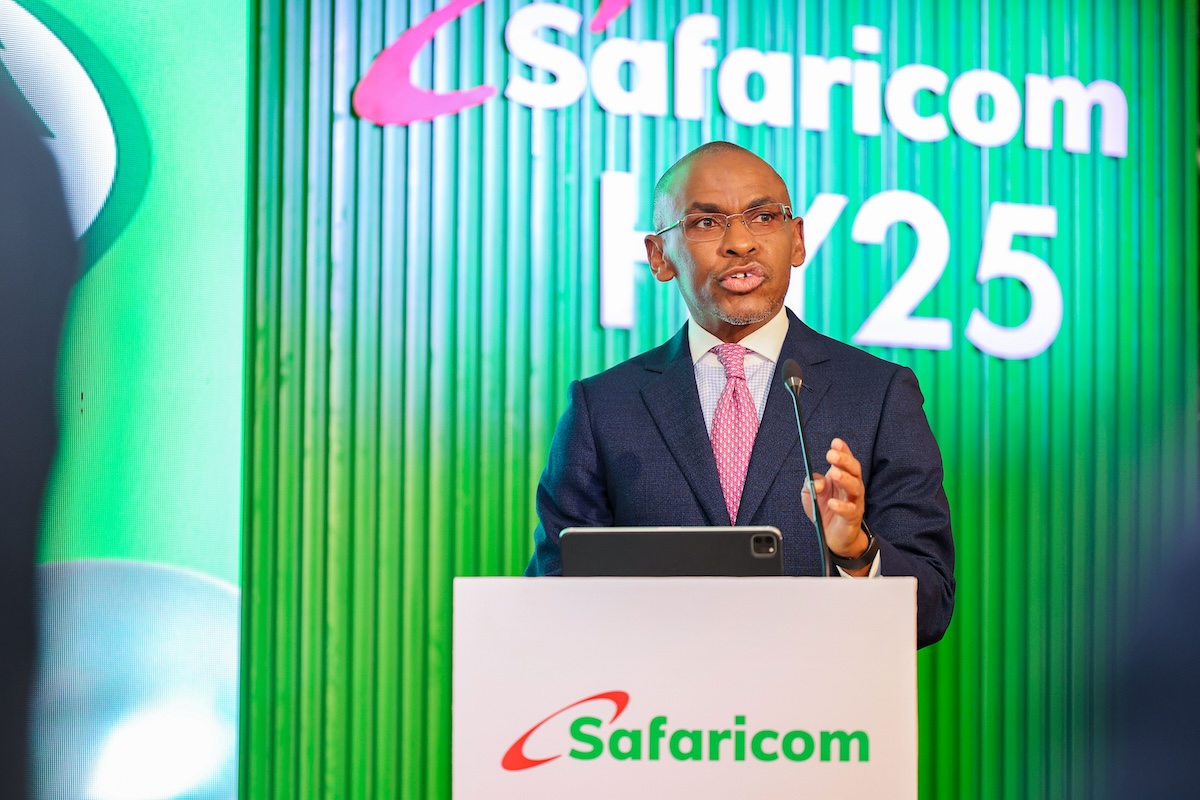
The Government of Kenya has offloaded majority control of Safaricom Plc to Vodafone Kenya Limited in a deal valued at Kes 244.5 billion.
The agreement sees the state sell a 15 percent stake in the telecommunications giant, effectively elevating Vodafone’s shareholding to a controlling 55 percent while the government retains 20 percent and public investors hold the remaining 25 percent.
Treasury Cabinet Secretary John Mbadi has described the move not merely as a sale, but as a strategic shareholder-level adjustment designed to unlock immense capital for national development without imposing new tax burdens on citizens.
Of the total deal value, Kes 204.3 billion comes from the purchase of approximately 6 billion shares at Kes 34.00 per share, while an additional Kes 40.2 billion is an upfront payment in a unique dividend-financing arrangement.

In a significant policy shift outlined by the President’s recent State of the Nation address, the government has committed to breaking the cycle of past privatizations where proceeds from assets like Kenya Airways and KenGen were absorbed into recurrent budgets and spent. Instead, the entire Kes 244.5 billion from this transaction will be ring-fenced as seed capital for a new National Infrastructure Fund and the Sovereign Wealth Fund.
“This transaction is one of the first steps in the President’s stated agenda of innovatively unlocking capital, without increasing taxes or the country’s debt burden, to allow additional investment in critical infrastructure to support future growth. Safaricom has been, and continues to be, a key strategic investment for us, as we are retaining a 20% stake as well as board representation.” Mbadi said.

The administration’s strategy is to use this liquidity to attract long-term institutional investors, including pension funds and development finance institutions. The goal is to achieve a multiplier effect where every shilling of government seed capital attracts ten shillings of private investment, thereby funding critical projects in energy, water, and transport without expanding the national debt.
Government analysts have defended the decision to sell to Vodafone rather than floating the shares to the Kenyan public, citing the premium purchase price as a primary driver. At Kes 34.00 per share, the deal represents a 23.6 percent premium over the six-month volume-weighted average price of Safaricom shares on the Nairobi Securities Exchange (NSE). The Treasury argues that this valuation provides the most financially sound outcome for the country.
Beyond the immediate capital, the government emphasizes the strategic value of deepening ties with Vodafone. By cementing a majority partner with deep regional expertise and technological leadership, the state expects to accelerate innovation within Safaricom, ensuring the company remains competitive globally. Despite the sale, Kenyan interests remain substantial, with the combined government and public shareholding standing at 45 percent.
A key component of the deal involves a sophisticated financial structure regarding dividends. To secure immediate fiscal stability, Vodafone Kenya has agreed to provide an upfront payment to the government in lieu of future dividends on the state’s remaining 20 percent stake. This allows the Treasury to monetize future income streams today, rather than waiting for annual payouts.
Parallel to this transaction, a major internal reorganization is underway within the buying entity. South Africa’s Vodacom Group Limited is set to increase its stake in Vodafone Kenya to 100 percent. This consolidation effectively places Safaricom under the direct strategic umbrella of Vodacom’s pan-African operations, streamlining management across its markets in Kenya, Ethiopia, and Tanzania.
Addressing concerns that ceding majority control could compromise national security or operational sovereignty, the government has offered firm reassurances. Mbadi clarified that the transaction is strictly a shareholder adjustment and not an operational takeover. Safaricom’s management and Board will continue to hold responsibility for day-to-day operations, ensuring the company’s independence.
Furthermore, Vodafone has explicitly stated in regulatory filings that it does not intend to launch a takeover offer for the remaining public shares, preserving Safaricom’s status as a listed entity. Through its retained 20 percent stake, the government maintains it will preserve its influence in governance, safeguard critical infrastructure, and protect Kenya’s strategic heritage.
“This landmark transaction will mark a pivotal step in Vodacom’s journey to accelerate growth and deepen our impact across Africa. Acquiring a controlling stake in Safaricom strengthens our position as a market leader, while unlocking new opportunities to drive digital and financial inclusion at scale in Kenya and Ethiopia.” Shameel Joosub, CEO of Vodacom Group said.
”Safaricom’s outstanding track record and differentiated growth outlook perfectly complement our Vision 2030 ambitions, empowering us to deliver sustainable value for all stakeholders and to connect millions more people for a better future. I look forward to working closely with the Safaricom team and taking some of the learnings from their success and leveraging it across the Group.” he added.
Peter Ndegwa, Safaricom CEO said “Vodacom has been a trusted partner in Safaricom’s journey from the very beginning, and we welcome their continued commitment and long-term investment in our business. Their confidence in Safaricom is a testament to the strength of our people, our strategy, and the opportunities ahead. We look forward to deepening our collaboration as we continue to scale innovation, expand regionally, and deliver transformative digital and financial services to our customers.”
Go to TECHTRENDSKE.co.ke for more tech and business news from the African continent and across the world.
Follow us on WhatsApp, Telegram, Twitter, and Facebook, or subscribe to our weekly newsletter to ensure you don’t miss out on any future updates. Send tips to editorial@techtrendsmedia.co.ke


