
Safaricom Reaches for a Hefty War Chest as It Tries to Keep Its Network Ambitions Alive
A capital hunt shaped by slowing voice revenues, heavier data demands, and the long haul of building Ethiopia

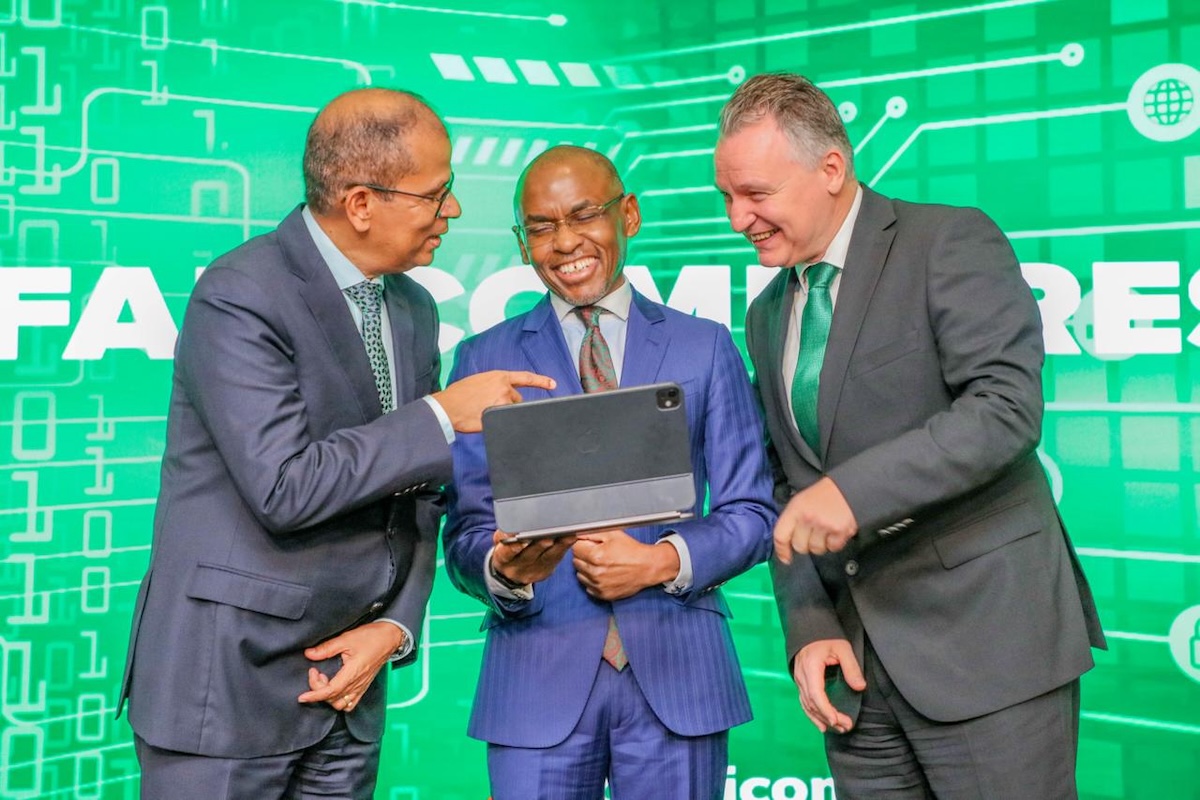
Safaricom’s decision to pursue a Sh40 billion corporate bond marks a significant moment for both the company and the Nairobi Securities Exchange’s debt market. The Capital Markets Authority has approved the bond, allowing for the first tranche, though pricing and duration are still being discussed. The size of the bond sets it apart in Kenya’s corporate finance scene, but the reasons behind this move are equally important.
A Network Race That Keeps Expanding
Safaricom faces a core challenge evident in its recent figures. Voice revenues have stagnated, and the company is now relying heavily on its data business, which continues to grow with the rise in smartphone use. It aims to speed up this trend by investing in its 4G and 5G networks across Kenya, creating more space for the content and connectivity services it sees as key drivers for the future.
The spending requirements are substantial. Capital expenditure for the year ending March 2026 is expected to be between Sh72 billion and Sh78 billion. Most of this will stay in Kenya, where the company plans to allocate more than Sh50 billion to infrastructure and device access. The rest will help strengthen Ethiopia’s network, which is essential for achieving meaningful scale.
Ethiopia’s Expansion and the Cost of Building Momentum
The venture in Ethiopia has been costly, and this is reflected in the company’s financials. Safaricom’s share of the loss in Ethiopia decreased in the most recent half year, but the project still requires significant spending. The bond will help ease short-term cash flow challenges while supporting the infrastructure development needed in a country with more than 120 million people.


Management has stated that the Ethiopian project is at a critical point. The company holds a 53.7 percent stake in the operation and must navigate regulatory requirements, currency issues, and the need to establish commercial traction. A new round of funding will help maintain progress.
A Market Hungry for Corporate Debt Renewal
Corporate bonds at the NSE have experienced a prolonged slowdown. By late September, only Sh25.9 billion in bonds were outstanding, significantly lower than the demand seen in previous years. Past failures by some issuers have undermined investor confidence, pushing them toward Treasury bonds.

Recent activity suggests a slow recovery. EABL’s latest offering was well received, indicating that strong demand remains for reliable issuers with solid plans. Safaricom’s entry into the market is expected to be another key development. Its strong financial track record and dominant market position make it one of the few firms capable of revitalizing this segment.
Borrowing That Aligns With Broader Goals
Safaricom has experience with sustainability-linked borrowing from a previous Sh30 billion deal arranged by a group of Kenyan banks. The upcoming issuance will be part of its medium-term note program, allowing for various types of notes, including green and social instruments. This structure enables the company to connect infrastructure spending with environmental and social goals, particularly in areas like carbon reduction, digital access, and gender equality.
The company’s debt has increased, reaching Sh117 billion by September. Nevertheless, the bond is expected to enhance its capacity to fund large-scale infrastructure without hampering the progress it has made in mobile money, fixed internet, and business solutions.
A Business Balancing Today’s Pressures With Tomorrow’s Growth
Safaricom’s half-year results reveal why it aims to keep investing aggressively. Profit rose to Sh42.7 billion, driven by double-digit growth in M-Pesa and a reduction in losses from Ethiopia. Mobile financial services are its largest growth driver and may soon account for half of total revenue.
Thus, this bond is more than just a fundraising effort. It is part of a larger realignment of the company’s network strategy, commercial goals, and long-term identity as a regional tech firm. The coming months will show how much investors are willing to support this direction and how quickly Safaricom can turn the proceeds into necessary upgrades.
Go to TECHTRENDSKE.co.ke for more tech and business news from the African continent.
Follow us on WhatsApp, Telegram, Twitter, and Facebook, or subscribe to our weekly newsletter to ensure you don’t miss out on any future updates. Send tips to editorial@techtrendsmedia.co.ke


