
Kenya Wants to Stop Being the World’s Dumping Ground for Dead Gadgets
As regulators tighten control, the country faces a defining question: can it clean up its tech economy without cutting off its people?

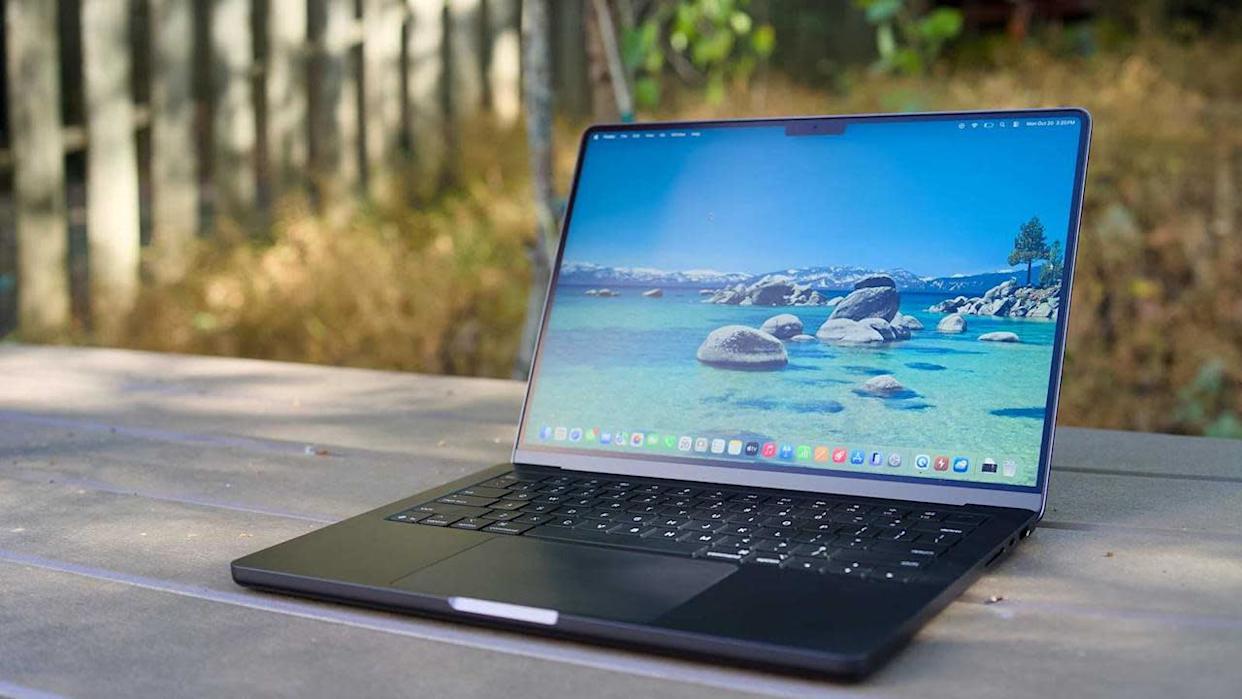
Kenya is drawing a clear line on what enters its ports. Under draft rules by the National Environment Management Authority (NEMA), the country plans to ban importation of electronics and electrical equipment more than twelve years old from the date of manufacture. The list includes televisions, refrigerators, computers, smartphones, and a wide range of household and industrial appliances.

The move is framed as a public health and environmental measure, designed to slow the growing influx of used or near-end-of-life devices that often arrive under the label of donations or refurbished stock. Kenya imports roughly seventy percent of its electronic equipment, a large share of which is already close to obsolescence when it lands.
The proposal would mark one of the most sweeping interventions yet in Kenya’s consumer electronics market, extending the same logic that governs vehicle imports—no cars older than eight years—into the digital era.
The Cost of a Bargain
Kenya’s thriving second-hand electronics market has long filled a gap left by expensive new products. Used computers, phones, and televisions give millions of low-income households access to basic technology. But the affordability comes at a cost: devices arrive with short lifespans, outdated software, and parts difficult to replace or recycle.


Nema estimates that Kenya now generates over fifty thousand tonnes of electronic waste each year, growing by up to twelve percent annually. Only a fraction of that waste is recycled safely. The rest is dismantled in informal scrap yards, often by hand, releasing lead, mercury, and cadmium into the air and soil.
The health consequences are severe. E-waste exposure has been linked to cancers, respiratory diseases, birth defects, and developmental delays in children. The government’s draft regulations frame the ban not just as an environmental action but as a public health necessity.

Learning from the Car Rule
Kenya’s car import rule—banning vehicles older than eight years, has served as the model for the electronics proposal. Officials see parallels in the way both industries depend on second-hand imports, and in the burden those imports place on disposal systems.
“Prohibit import of electronic and electrical equipment above twelve years from manufacturing date (except heritage or museum items),” reads Nema’s impact assessment report. The document cites United Nations Environment Programme (Unep) guidelines that set a ten-to-twelve-year threshold as the point where replacement becomes more efficient than repair.
By embedding the rule into customs procedures, the Kenya Revenue Authority (KRA) and the Kenya Bureau of Standards (Kebs) would jointly inspect incoming consignments. Clearance would be withheld until Nema issues a compliance certificate, ensuring that no non-compliant electronics reach the market.
Drawing Lessons from Abroad
Kenya’s proposed framework draws heavily from examples elsewhere in Africa and Asia. Rwanda introduced its e-waste regulation in 2016, banning computers older than eight years and refrigerators older than ten. Within five years, non-functional imports dropped from nearly half of all shipments to less than twenty percent.
Nigeria also prohibits electronics older than fifteen years, though enforcement lapses have blunted the effect. Kenya’s proposal goes further by pairing age limits with real-time data sharing between customs, Nema, and Kebs. The plan includes a digital registry of importers, serial numbers, and test results to track compliance and identify repeat offenders.
The government hopes that the tighter controls will bring Kenya in line with international e-waste standards, particularly those in the European Union, where import restrictions and producer responsibility schemes have sharply reduced illegal dumping.
Functionality as the New Standard
The regulations go beyond age limits. They set detailed performance tests to ensure that used electronics entering Kenya are genuinely functional, not near-dead stock.
Computers, laptops, and tablets must boot within three minutes, have at least seventy percent of their original processor speed, functional ports, and charge to sixty percent of their rated capacity. Phones must retain at least half their battery life, have intact screens, and an IMEI number not redlisted for theft.
For appliances, the tests are equally specific. Refrigerators must consume no more than one and a half times their original rated power, and small appliances like irons or blenders must show no exposed wiring or abnormal heat. Televisions and cameras will need at least ninety percent of their original pixel functionality and working remote controls.
Anything below those thresholds will be deemed e-waste and barred from entry.
Balancing Protection and Access
Still, the rules face an uncomfortable economic reality. For many households, second-hand electronics are not just a preference but the only affordable option. Analysts warn that the ban could lift prices across the board, particularly for refurbished computers and smartphones that currently dominate informal markets in Nairobi and Mombasa.
The government acknowledges this tension. The draft allows second-hand imports that meet strict functionality tests, provided they come with certificates from Kebs-accredited laboratories. The idea is to separate truly reusable devices from waste disguised as aid or discount stock.
Officials also hope to shift more of the refurbishment process into Kenya itself. By encouraging certified local repair and testing centres, the plan seeks to create jobs while extending the usable life of devices already in circulation. That would mirror Rwanda’s model, where a government-backed recycling and refurbishment plant in Bugesera has become a regional hub for responsible electronics recovery.
An Expanding Bureaucracy for a Growing Problem
The enforcement architecture will be complex. Nema and KRA are expected to form joint inspection units at Mombasa Port, Jomo Kenyatta International Airport, and key land border posts. First-time importers will face one hundred percent inspection. Registered importers with good records will face random checks on thirty percent of their shipments. Donations and second-hand goods will be inspected in full.
A new Nema-managed registry will track all producers introducing electronic goods into the Kenyan market, requiring annual compliance certificates and detailed take-back plans. Each producer must declare the tonnage of equipment placed on the market and commit to retrieval at end-of-life.
The law will also prohibit unsafe disposal practices such as open burning or dumping into rivers. Waste generators—whether individuals, businesses, or institutions, will be compelled to separate e-waste and deliver it to licensed recyclers or refurbishers.
Health, Industry, and the Question of Enforcement
Behind the policy lies a deeper struggle over how developing economies manage technological progress. Kenya’s e-waste grows not only because of imports but because new devices now fail faster. The average smartphone lasts three to four years before being replaced. Televisions and refrigerators, once built to last decades, now struggle to survive ten.
Without stronger domestic recycling capacity, the line between consumer upgrade and environmental hazard keeps narrowing. Kenya’s few formal recyclers handle less than five percent of national e-waste. The rest is dismantled by informal workers using crude methods, with no protective equipment and little awareness of the toxins they release.
The government insists the new rules will reverse that trend, but success will depend on enforcement. Import controls can be sidestepped through mislabeling or transshipment via neighbouring states. Maintaining inspection integrity will require technology, coordination, and political will—three resources that rarely align for long.
Toward a Self-Sustaining Electronics Cycle
Supporters of the policy argue that Kenya cannot keep treating its borders as the endpoint for the world’s discarded gadgets. The draft regulations envision a self-sustaining electronics cycle, where products are imported responsibly, used efficiently, collected systematically, and recycled locally.
If implemented effectively, the framework could reshape Kenya’s electronics economy. By cutting non-functional imports sixty percent within two years, as projected, the country would not only reduce toxic exposure but also stimulate domestic repair and recycling industries.
The transition will be uneven. Prices may rise, and small importers could face new compliance costs. Yet the long-term calculus points toward sustainability: fewer dump sites, cleaner soil and air, and a growing circular economy that treats waste as input rather than residue.
A New Definition of Value
The Kenya electronics import ban marks a turning point in how the country defines value in technology. The cheapest product will no longer be measured by price alone, but by lifespan, safety, and recyclability.
The policy’s success will rest on whether regulators can translate that principle into practice—ensuring that what enters Kenya’s ports is not a burden disguised as opportunity, but a tool fit for a modern, sustainable economy.
Go to TECHTRENDSKE.co.ke for more tech and business news from the African continent.
Follow us on WhatsApp, Telegram, Twitter, and Facebook, or subscribe to our weekly newsletter to ensure you don’t miss out on any future updates. Send tips to editorial@techtrendsmedia.co.ke


