
ColorOS 16 Lands on OPPO’s Older Phones as the Brand Tries to Hold Its Ground
ColorOS 16 isn’t a reinvention so much as a quiet negotiation between progress and patience, and OPPO seems comfortable with that trade.

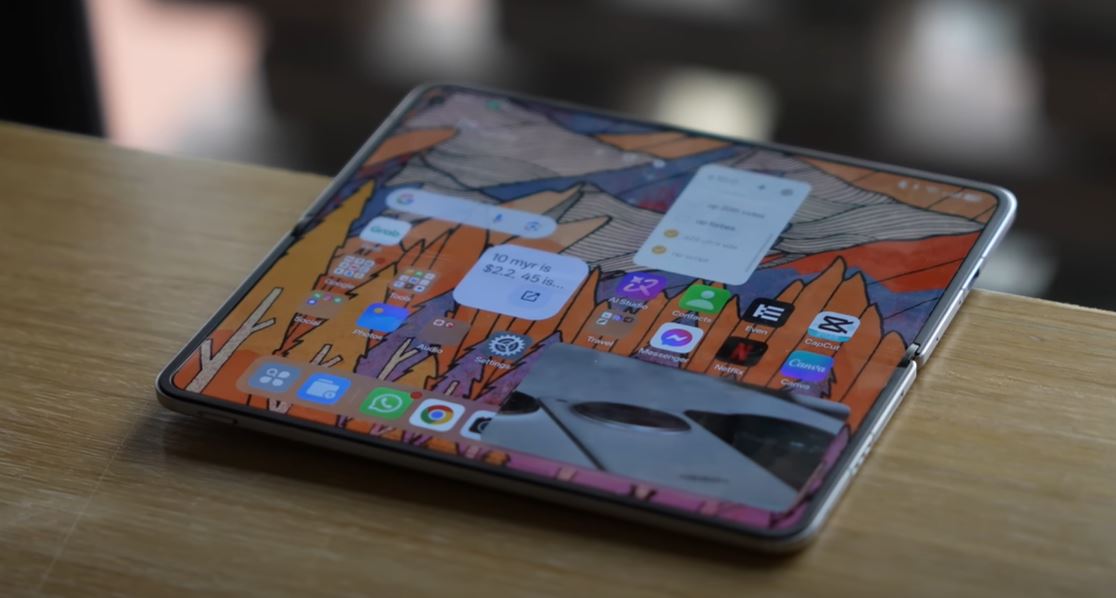
OPPO’s Android 16-based ColorOS 16 is now moving beyond its newest phones. The Find N5, Find X8, and X8 Pro began receiving it in early November, followed by the Find N3 series and the N3 Pad 3 Pro a few days later.

The rollout follows OPPO’s planned schedule, spreading across markets in phases. Some users will find the update already waiting, while others will see it trickle in later this month. Either way, ColorOS 16 is now part of OPPO’s broader November release wave.
The pattern behind OPPO’s timing
This rollout fits a pattern OPPO has quietly built over several generations: punctual delivery to recent devices first, followed by an organized wave across older models. It’s an approach that mirrors OnePlus’s own OxygenOS update cadence, which shares the same foundation but diverges in how features are presented.
For users, the benefit is reliability rather than surprise. OPPO’s calendar for ColorOS 16 has held steady, a small but meaningful marker in a market where update promises often slip.
A closer look at what’s changing
ColorOS 16 brings refinements rather than reinvention. Its AI Mind Space and AI Recorder extend the system’s automation layer, while iPhone call unification and PC mirroring point to a push for device continuity. Visual updates are subtler, focusing on smoother transitions and simplified motion design rather than bold new layouts.
These tweaks suggest OPPO is more interested in tightening the user experience than redefining it. The interface feels more deliberate, less ornamental, and tuned to the underlying changes in Android 16’s framework.

A parallel track with OnePlus
As OnePlus continues pushing OxygenOS 16, the resemblance between the two systems remains unmistakable. Both brands are drawing from the same codebase, yet their differences are cultural rather than technical. Where OnePlus leans into speed and expressive UI gestures, OPPO frames its upgrades around stability and integration across devices.
This shared trajectory shows how each brand interprets Android differently under the same parent company — less a merger, more a coordinated evolution.
What this means for users holding older phones
For those with past-generation OPPO devices, ColorOS 16 is the bridge into the next software cycle. It doesn’t upend the interface or flood it with novelty, but it refines the daily texture of how the system feels. Apps open more fluidly, multitasking holds its rhythm longer, and features that once felt isolated now interact more cleanly.
It’s an incremental change with long-term weight, not because of what’s new, but because of how consistently OPPO is delivering it.
Go to TECHTRENDSKE.co.ke for more tech and business news from the African continent.
Follow us on WhatsApp, Telegram, Twitter, and Facebook, or subscribe to our weekly newsletter to ensure you don’t miss out on any future updates. Send tips to editorial@techtrendsmedia.co.ke


