
French Capital Finds a Way into Kenya’s Telecom Backbone as Atlas Towers Expands its Reach
Foreign capital is finding its way into Kenya’s tower economy, not with a takeover’s noise but through the slower work of financing what keeps the networks standing.


The Competition Authority of Kenya has cleared French infrastructure investor Stoa’s $27 million acquisition of a minority stake in Atlas Tower Kenya. The approval came without conditions, marking a quiet but telling moment for Kenya’s growing telecom infrastructure sector.
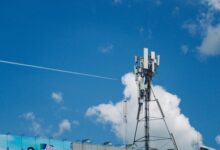
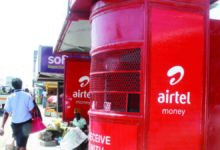
Atlas, which has operated locally since 2019, runs more than 450 towers that connect networks for Safaricom, Airtel, and Telkom. These structures, often unremarkable in design, are part of the invisible backbone that sustains mobile connectivity across the country. Their ownership and financing have become a central question in how African telecom markets evolve — and who ultimately builds the digital ground beneath them.
A capital partnership with wider reach
Through its vehicle Stoa Africa Limited, the French investor will acquire a 31.03 percent stake in Atlas Kenya, complete with veto rights. That structure gives Atlas both new financing room and a partner with global infrastructure experience. The company has said the funds will expand its portfolio, improve energy efficiency across its towers, and extend service coverage in rural zones where mobile reach remains thin.
Stoa, based in Paris, positions itself as an impact investor with long-term interests in infrastructure and energy projects in developing regions. Its move into Kenya comes at a time when tower ownership is consolidating into a few specialized firms. According to TowerXchange, Kenya had 12,555 telecommunication towers as of January 2025. Safaricom controlled nearly 59 percent of that footprint, followed by ATC Kenya with about a third. Atlas, despite being smaller, occupies a niche position with just over 3 percent of the market — but one that may grow with new backing.
The logic of selling towers
Kenya’s mobile operators, like many across Africa, have spent the past few years selling off their physical infrastructure. It is partly a financial strategy. Maintaining thousands of towers ties up capital that could instead go into network upgrades or new digital services. By selling and leasing back towers from independent operators, carriers reduce those fixed costs while freeing cash for other ventures.
For the tower firms, it’s a different equation. Their model depends on owning, managing, and leasing tower space, power, and maintenance services to multiple mobile and internet providers. The more clients on a single tower, the higher the returns. This arrangement has made infrastructure sharing not just a financial convenience but a competitive advantage in how networks expand.
Foreign capital in local infrastructure
Kenya has become a favored landing point for international infrastructure funds looking for exposure to African telecom growth. The country’s regulatory predictability, compared to some of its neighbors, allows investors to enter with clear expectations of ownership rights and market access.
Still, these partnerships raise familiar tensions. Foreign investors bring capital and technical expertise, but their financial horizons can differ from local operators’ development needs. Some policymakers worry about over-reliance on foreign funding in sectors critical to communication and data security. Others argue that without external capital, the pace of infrastructure rollout would lag far behind demand.
Stoa’s entry seems to tread a middle line. Its minority position leaves operational control with Atlas’s existing management, led by Kalahari Capital LLC. Yet the capital injection and veto rights suggest a seat at the strategic table — enough influence to shape future expansion priorities without dominating them.
The next phase for Atlas
Atlas Kenya has shown ambition before. In 2021, it invested roughly $49 million in 4G towers with support from the International Finance Corporation. Those installations strengthened coverage in underserved areas, especially along transport corridors where connectivity gaps had slowed mobile data adoption.
With Stoa’s involvement, the company plans to go further by scaling its tower count and improving energy systems through solar integration and advanced battery storage. Power costs remain one of the biggest operational pressures for tower operators. Reducing reliance on diesel generators could significantly lower expenses while making networks more resilient to outages.
It’s also a move that aligns with a broader industry turn toward sustainable infrastructure financing. Many global investors now attach environmental conditions to their funding, which could shape how Atlas and similar firms plan expansions in the coming years.
The next phase for Atlas
Atlas Kenya has shown ambition before. In 2021, it invested roughly $49 million in 4G towers with support from the International Finance Corporation. Those installations strengthened coverage in underserved areas, especially along transport corridors where connectivity gaps had slowed mobile data adoption.
With Stoa’s involvement, the company plans to go further by scaling its tower count and improving energy systems through solar integration and advanced battery storage. Power costs remain one of the biggest operational pressures for tower operators. Reducing reliance on diesel generators could significantly lower expenses while making networks more resilient to outages.
It’s also a move that aligns with a broader industry turn toward sustainable infrastructure financing. Many global investors now attach environmental conditions to their funding, which could shape how Atlas and similar firms plan expansions in the coming years.
Go to TECHTRENDSKE.co.ke for more tech and business news from the African continent.
Follow us on WhatsApp, Telegram, Twitter, and Facebook, or subscribe to our weekly newsletter to ensure you don’t miss out on any future updates. Send tips to editorial@techtrendsmedia.co.ke


