
Bridging the Digital Divide: Africa’s Next Generation Gains Access to AI and Robotics Training Through ITU and Google
The classrooms of today are becoming the incubators of Africa’s tech leaders tomorrow, powered by partnerships that span continents and industries.

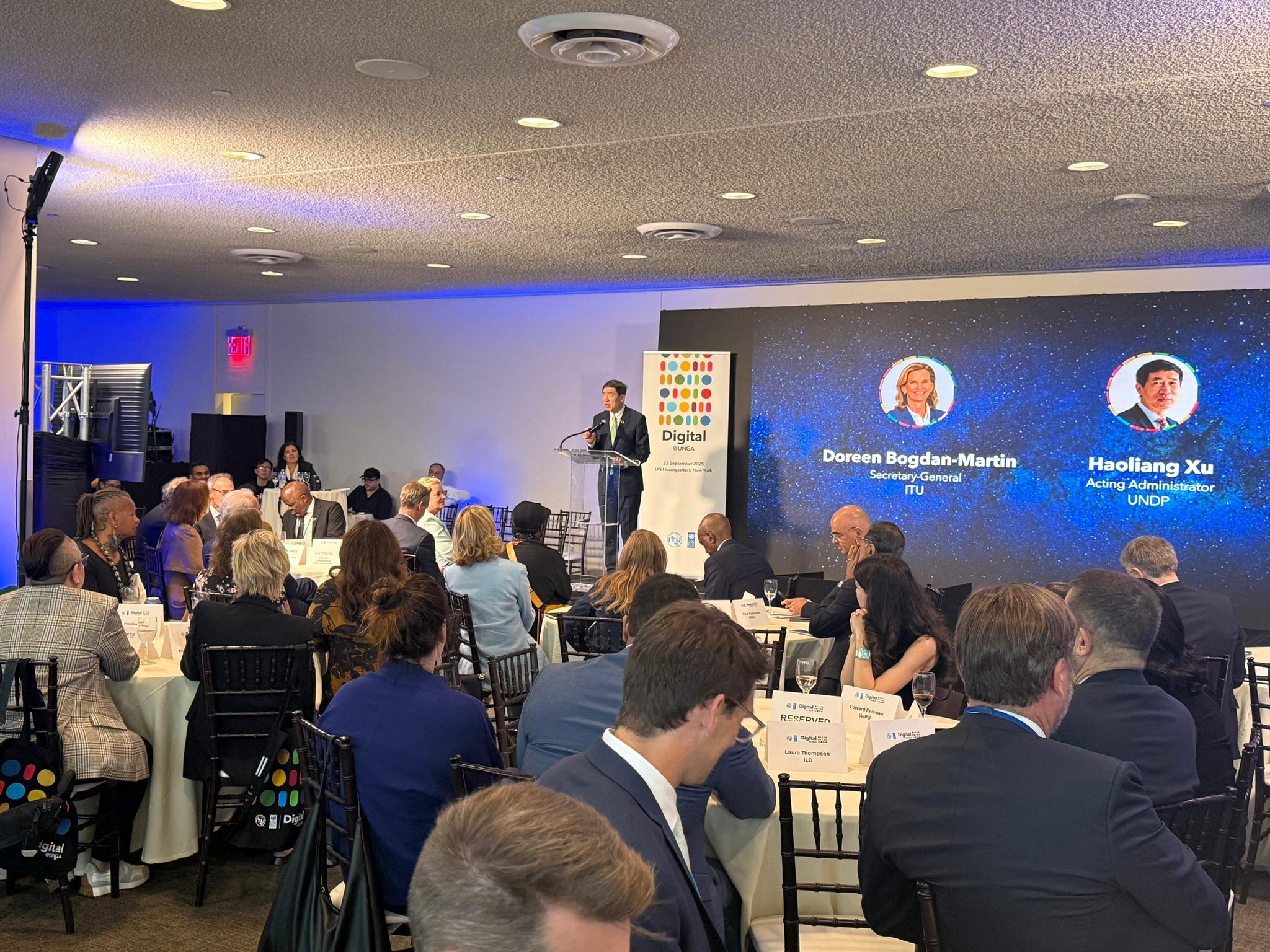
In a world where artificial intelligence (AI) and robotics are reshaping economies and societies, Africa stands at a pivotal crossroads. While the continent is rich in potential, it faces significant challenges in digital connectivity and skills development. Recognizing this, the International Telecommunication Union (ITU), in collaboration with Google and philanthropist will.i.am, has launched a groundbreaking initiative to bring AI and robotics training to students across Africa.
Announced during the Digital@UNGA Anchor Event at the UN General Assembly, this program aims to democratize access to digital education, focusing on underserved communities. The initiative is set to roll out in Ghana, Côte d’Ivoire, Kenya, Nigeria, and South Africa, with plans for broader expansion across the continent.
Bridging the Connectivity Gap: The Giga Initiative
At the heart of this endeavor lies the Giga initiative, a joint project by ITU and UNICEF. Giga’s mission is to connect every school in the world to the internet, using AI and open geospatial data to map school connectivity in real time. This ambitious project addresses the dual challenge of connecting offline populations and building digital skills in communities that have been harder to reach.
In Africa, where 60% of young people are still unconnected, Giga’s efforts are crucial. By providing internet access to schools, Giga lays the groundwork for digital education, enabling students to access online resources and participate in global learning opportunities.


Empowering Youth Through AI and Robotics
Once schools are connected through Giga, students aged 10 to 18 will gain access to AI training through ITU’s AI Skills Coalition and the Robotics for Good Youth Challenge. These programs offer hands-on robotics kits, localized AI curricula, and teacher training to schools participating in the initiative.
Backed by ITU’s AI Skills Coalition Goodwill Ambassador will.i.am, the scheme aims to deliver STEM education to bright young minds across Africa. will.i.am emphasizes the urgency of equipping youth in underserved areas with the skills required to succeed and help solve the world’s most pressing problems.
Google, through its philanthropic arm Google.org, contributes AI expertise and funding of USD 1 million to launch the program. James Manyika, Senior Vice President of Research, Labs, Technology & Society at Google, highlights the importance of democratizing access to AI tools and building skills across the continent.
A Collaborative Effort: ITU, Google, and will.i.am
This initiative exemplifies the power of collaboration between international organizations, tech giants, and philanthropists. ITU, as the United Nations agency for digital technologies, brings its expertise in connectivity and digital standards. Google contributes its technological prowess and resources, while will.i.am adds a personal commitment to youth empowerment and education.
The combined efforts of these entities aim to create a sustainable ecosystem for digital education in Africa. By providing the necessary tools, training, and support, they seek to empower the next generation of African innovators and leaders.
Africa’s Path Forward in AI and Robotics Education
While the initiative holds great promise, several challenges remain. The digital divide in Africa is not just about internet access but also about the availability of devices, electricity, and trained educators. Ensuring that schools have the infrastructure to support AI and robotics training is crucial.
Moreover, there is a need for continuous support and adaptation of curricula to keep pace with rapidly evolving technologies. Collaboration with local governments, communities, and educational institutions will be key to the program’s success.
However, the opportunities are immense. By investing in digital education, Africa can harness its youthful population to drive innovation and economic growth. The initiative also aligns with the United Nations’ Sustainable Development Goals, particularly in promoting quality education and reducing inequalities.
The Students Who Will Build Africa’s AI Future
As the program expands, it has the potential to transform the educational landscape in Africa. By equipping students with AI and robotics skills, the initiative aims to prepare them for the jobs of tomorrow and enable them to contribute to solving local and global challenges.
The success of this initiative could serve as a model for other regions, demonstrating how targeted investments in digital education can bridge the digital divide and unlock the potential of young people.
In conclusion, the collaboration between ITU, Google, and will.i.am marks a significant step towards a digitally inclusive future for Africa. By empowering youth with the skills and tools they need, this initiative is not just about technology; it’s about creating opportunities, fostering innovation, and building a brighter future for the continent.
Go to TECHTRENDSKE.co.ke for more tech and business news from the African continent.
Mark your calendars! The TechTrends Pulse is back in Nairobi this October. Join innovators, business leaders, policymakers & tech partners for a half-day forum as we explore how AI is transforming industries, driving digital inclusion, and shaping the future of work in Kenya. Limited slots – Register now – here.
Follow us on WhatsApp, Telegram, Twitter, and Facebook, or subscribe to our weekly newsletter to ensure you don’t miss out on any future updates. Send tips to editorial@techtrendsmedia.co.ke
TechTrends Media Podcasts


