
The $100K H-1B Visa Fee Hike: Breaking Down Trump’s Proclamation and Its Global Impact
Beyond Silicon Valley, the ripple effects of this decision may stretch into regions that had pinned their hopes on global access.

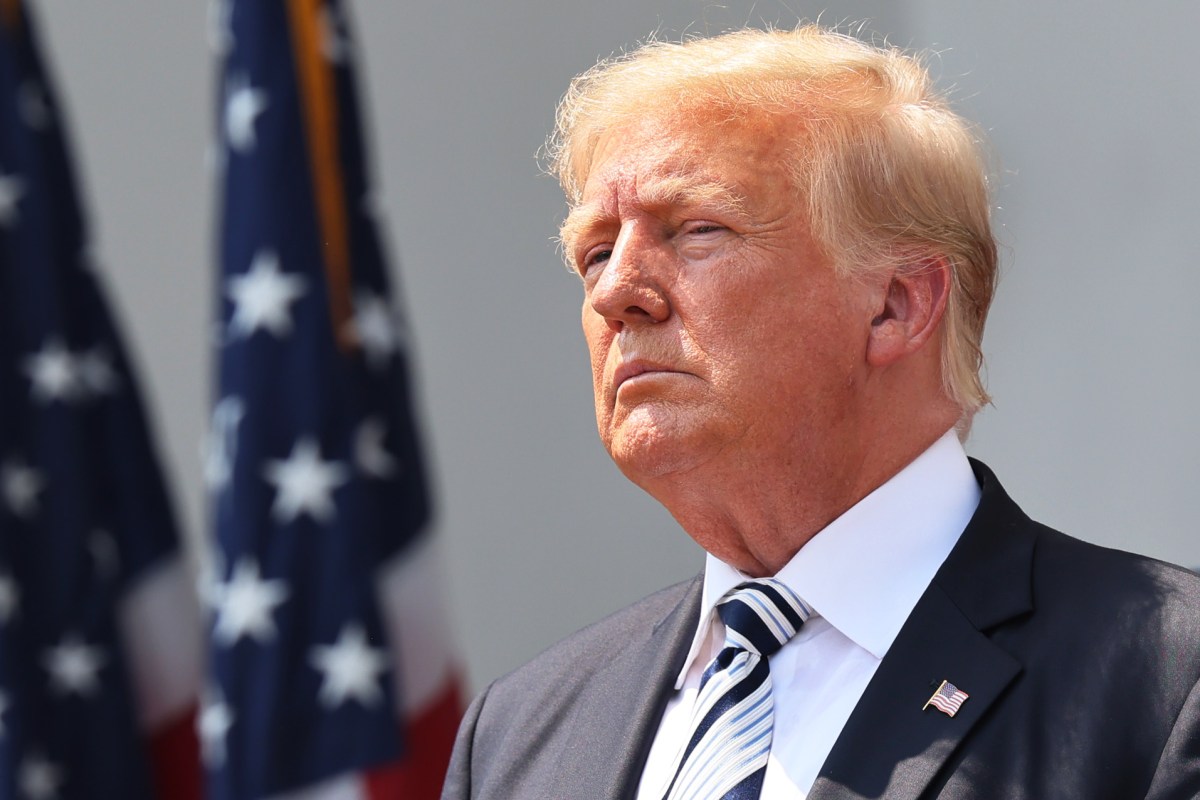
On September 19, 2025, President Donald Trump signed a proclamation imposing a $100,000 annual fee on H-1B visa applications, marking a major shift in U.S. immigration policy for highly skilled workers. The move has sent ripples through tech hubs, startups, academia, and international talent pipelines. With over 70% of H-1B beneficiaries coming from India, and thousands more from Africa, Asia, and Latin America, the global implications are significant.

This article unpacks the policy, its motivations, economic consequences, legal questions, and effects on U.S. and African startups, particularly in fintech.
Understanding the H-1B Program
The H-1B visa program has long been a cornerstone for U.S. companies looking to hire foreign specialists in STEM, IT, and healthcare. It has fueled innovation by allowing firms to tap into global talent pools for roles that are difficult to fill domestically. Software engineers, AI researchers, data scientists, and fintech professionals have benefited, with India, China, Canada, and Mexico being the largest source countries. With an annual cap of 85,000 visas, including 20,000 reserved for advanced-degree holders from U.S. institutions, the program has historically balanced demand with limited supply.
The new $100,000 annual fee, however, threatens to upend this balance. For small startups, the cost is staggering, and even some mid-sized firms may be forced to reconsider hiring foreign talent. The fee doesn’t just represent a financial hurdle—it signals a broader shift in how the U.S. will compete for global expertise.


Why the Administration Introduced the Fee
The White House has justified the surcharge as a measure to protect American jobs and curb perceived overuse of foreign labor in specialized sectors. Commerce Secretary Howard Lutnick emphasized that the fee is intended to discourage companies from replacing domestic workers with lower-cost immigrants.
Critics, however, see the fee as a blunt instrument with far-reaching consequences. Startups and smaller firms, which rely on global talent to compete against established giants, may find the cost prohibitive. Big tech companies may absorb the fees but could restructure hiring strategies, potentially delaying projects or moving roles offshore. Across the board, the perception of the U.S. as an accessible destination for top talent could shift dramatically.

Economic and Innovation Implications
Economists and industry experts warn that the fee could trigger ripple effects throughout the innovation ecosystem. Startups may delay hiring or slow product development, while some companies may choose to outsource work abroad rather than absorb the surcharge. There is also a real risk of a “brain gain” for other countries, as skilled workers who might have pursued opportunities in the U.S. instead migrate to Canada, Europe, or Australia.
Higher education is likely to feel the strain as well. Graduate programs in STEM fields that attract international students could see declining enrollment if H-1B prospects dim, which in turn could reduce tuition revenue and the flow of highly trained talent into U.S. industries. The fee introduces not just a financial barrier, but a signal that the U.S. may no longer be the default landing place for ambitious global talent.
Impact on African Startups and Fintech
African startups, particularly in fintech, face unique challenges in this new landscape. Many emerging firms rely on diasporic talent to scale operations and connect with international investors. Engineers and executives who would have used H-1B visas to gain market exposure or participate in U.S.-based incubators now face prohibitive costs.
This fee could slow expansion plans for fintech companies in Kenya, Nigeria, and South Africa, as founders may have to rethink staffing strategies or rely more heavily on local talent. Investors accustomed to seeing African startups integrated into U.S. ecosystems might become more cautious. On the other hand, the policy could inadvertently strengthen regional talent retention, forcing innovation to flourish locally rather than through U.S.-based channels.
The broader effect is a shift in competitive dynamics: African fintech firms may need to lean on regional collaboration, cross-border partnerships, and alternative growth pathways to thrive in the absence of easy access to U.S. talent pipelines.
Legal and Implementation Challenges
The proclamation raises complex legal questions. Immigration law experts have already questioned whether the executive branch can impose such a substantial annual fee without Congressional approval. Beyond the legality, there is the practical matter of execution: the administration has not outlined a payment system, leaving companies and applicants uncertain about compliance procedures.
The fee’s duration is another area of ambiguity. While some sources describe it as an annual surcharge, others suggest it applies per visa. This distinction has massive implications for both financial planning and long-term workforce strategy.
Broader Immigration Strategy
The H-1B fee fits into a broader immigration strategy that includes high-cost residency options, such as the Trump Gold Card ($1 million) and the Platinum Card ($5 million). These programs appear to favor wealthier immigrants, raising concerns about equity and the long-term consequences for skilled labor. For startups, especially those outside the U.S., the result may be a steeper climb to access the expertise that fuels growth and global expansion.
Global Talent and U.S. Competitiveness
The United States has long attracted the world’s brightest minds, fueling research, entrepreneurship, and high-tech industries. With the $100,000 fee in place, the U.S. risks ceding its historical advantage. Skilled workers may choose Europe, Canada, or Australia instead, and African talent may increasingly remain local or migrate regionally.
The policy could slow development in strategic sectors such as AI, biotech, and fintech, while also reshaping global innovation hubs. Silicon Valley, Boston, and New York could face reduced diversity and slower growth as a result.
Potential Industry and Startup Responses
Companies and startups are likely to adapt in several ways. Some may institute hiring freezes, while others will explore remote work models or offshore teams. Legal challenges are almost certain, as industry groups and advocacy organizations push back against the fee. For African startups, the path forward may involve focusing on regional talent retention and building international partnerships that do not rely on U.S. visas, which could accelerate the growth of local innovation hubs.
Looking Ahead
The proclamation takes immediate effect, but the long-term consequences remain uncertain. Legal battles, industry adaptations, and shifts in talent flows will determine the ultimate impact. The larger question is whether the U.S. will continue to be the default destination for global tech talent, or whether other countries, including emerging innovation hubs in Africa, will take the lead.
Go to TECHTRENDSKE.co.ke for more tech and business news from the African continent.
Mark your calendars! The TechTrends Pulse is back in Nairobi this October. Join innovators, business leaders, policymakers & tech partners for a half-day forum as we explore how AI is transforming industries, driving digital inclusion, and shaping the future of work in Kenya. Limited slots – Register now – here.
Follow us on WhatsApp, Telegram, Twitter, and Facebook, or subscribe to our weekly newsletter to ensure you don’t miss out on any future updates. Send tips to editorial@techtrendsmedia.co.ke
TechTrends Media Podcasts


