
When AI Replaces Clicks: Google Faces Legal Battle Over Summaries That Siphon Web Traffic
The growing tension between instant AI answers and the traditional newsroom that produces them

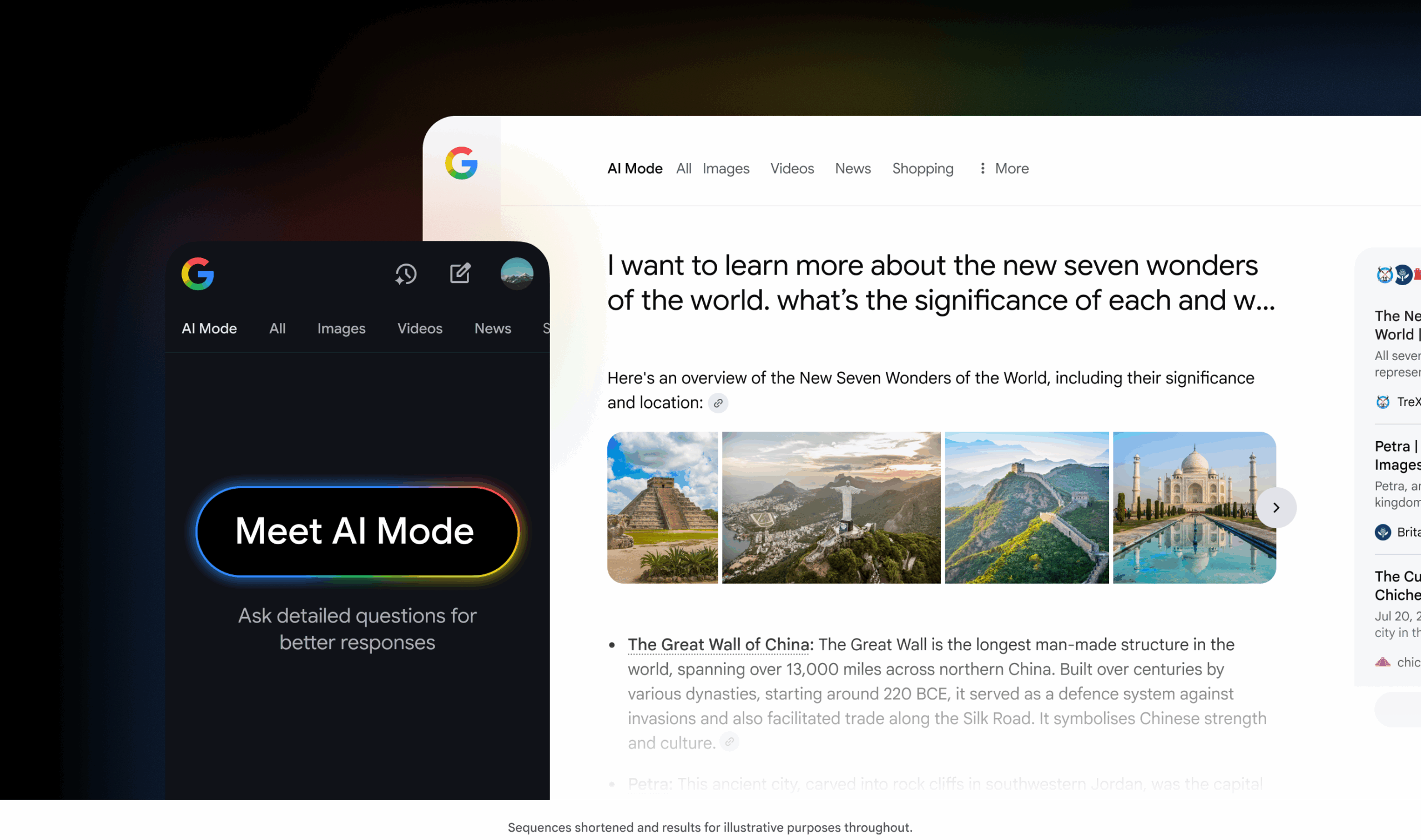
Google’s AI Overviews feature is facing its first major legal test. Penske Media Corporation — owner of Rolling Stone, Variety, and Billboard — has filed suit, alleging that Google’s AI-generated summaries siphon off readers and revenue. Google, meanwhile, insists that its summaries improve search and still benefit publishers. The case captures a larger question: can journalism survive in a search world where answers are delivered without clicks?

Why publishers say AI Overviews hurt their business
Penske’s lawsuit argues that traffic referrals from Google have plummeted since AI Overviews rolled out widely. The complaint claims affiliate revenue dropped by more than a third as users stop clicking through to the original articles. Instead, readers get their answers directly at the top of the search results page.
This “zero-click search” effect, publishers say, erodes the foundation of digital journalism. The web economy depends on page views and ad impressions. Without that traffic, the business model falters.
Google’s defense: summaries are what users want
Google rejects the claim that AI Overviews undermine publishers. Company executives point out that the summaries include source links and argue they actually expand discovery by sending users to a wider mix of websites.


Markham Erickson, Google’s vice president for public policy, said at a New York AI summit that user preferences are shifting from “factual answers” found in the old “10 blue links” format to contextual overviews generated by AI. Google insists it is balancing both models to maintain what it calls a “healthy ecosystem.”
Control, consent, and competition
The lawsuit also raises questions of market power. Penske argues that Google’s dominance in search leaves publishers with little choice: allow their content to appear in AI Overviews or risk losing visibility in rankings.

Smaller publishers in particular say they lack leverage to negotiate. The result, critics warn, is a system where the most powerful tech platform dictates the terms of journalism’s digital survival. Similar complaints are already before regulators in Europe, where antitrust bodies are investigating the impact of AI summaries on media businesses.
The broader stakes for journalism and search
The fight goes beyond one lawsuit. If AI Overviews continue to grow, the consequences could be wide-ranging:
- Fewer investigative projects as declining revenue forces newsrooms to cut costs.
- Shrinking diversity of voices as smaller outlets struggle to compete.
- Weaker transparency and attribution if summaries replace links as the default way users consume news.
For readers, the trade-off is subtle. Search is faster, more efficient, and easier to skim. But the deeper reporting that provides nuance and accountability risks being sidelined.
What comes next
Penske is seeking damages and court orders to change how Google handles publisher content. Regulators in Washington and Brussels are already watching closely. The outcome could shape whether tech companies must license journalism for AI training and summaries — or whether publishers remain stuck in a system they see as exploitative.
For Google, the case matters because AI Overviews are central to the company’s future. For publishers, it’s about whether they will still have a sustainable way to fund journalism.
Go to TECHTRENDSKE.co.ke for more tech and business news from the African continent.
Mark your calendars! The TechTrends Pulse is back in Nairobi this October. Join innovators, business leaders, policymakers & tech partners for a half-day forum as we explore how AI is transforming industries, driving digital inclusion, and shaping the future of work in Kenya. Limited slots – Register now – here.
Follow us on WhatsApp, Telegram, Twitter, and Facebook, or subscribe to our weekly newsletter to ensure you don’t miss out on any future updates. Send tips to editorial@techtrendsmedia.co.ke
TechTrends Media Podcasts


