
Ultra-Fast Charging Comes at What Cost? Inside Silicon-Carbon Batteries
Ultra-fast charging sounds amazing, yet the true test lies in how long your battery will actually last before it starts to degrade.

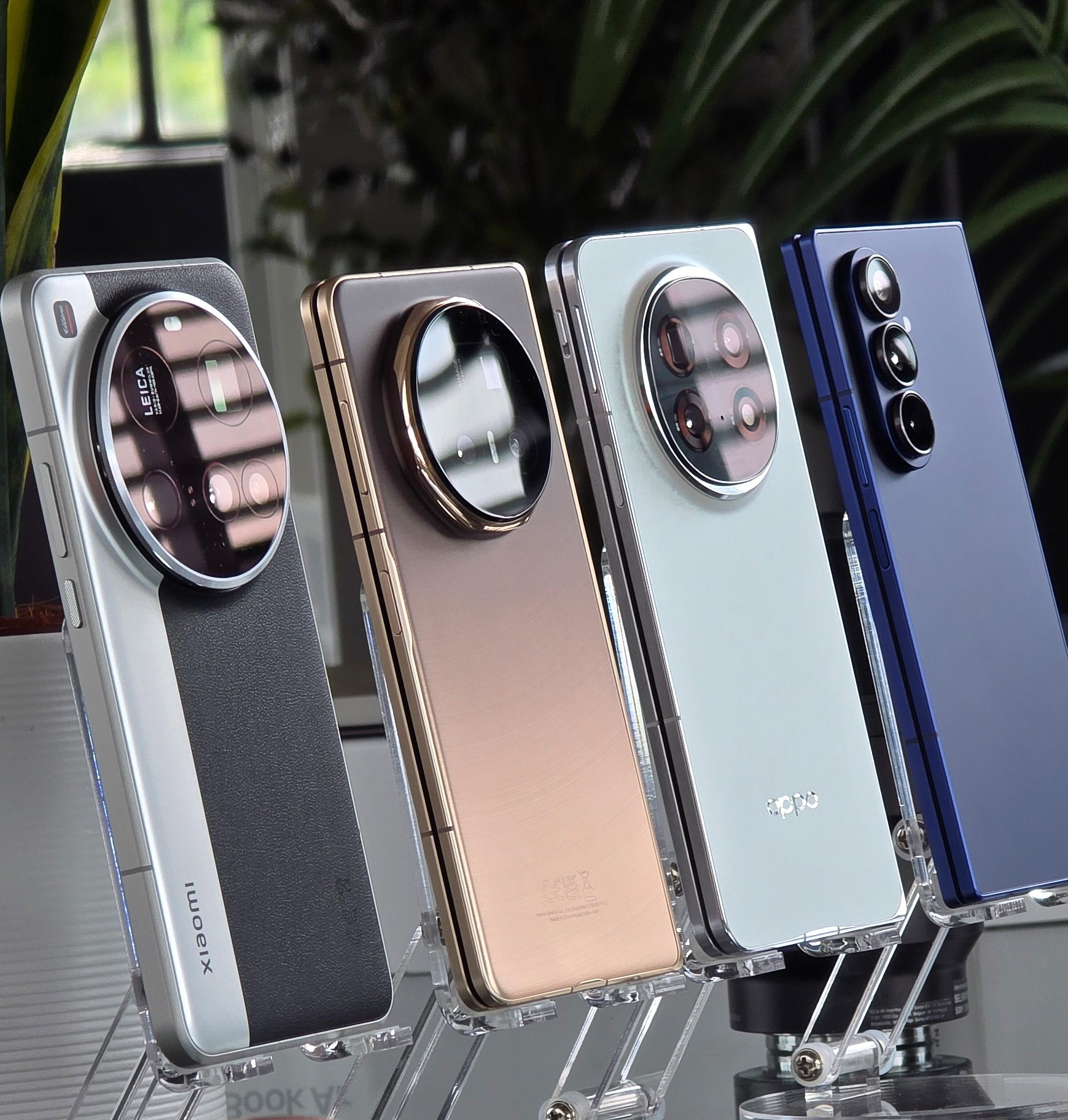
Smartphone makers are racing to deliver ultra-fast charging, and silicon-carbon batteries have become their latest weapon. By swapping graphite anodes for silicon-carbon blends, phones can charge in minutes instead of hours. But while the speed impresses, a bigger question lingers: will these batteries actually last?

Why Silicon-Carbon Matters
Traditional lithium-ion batteries use graphite anodes. They’re reliable and stable, but limited in how much lithium they can hold. Silicon, on the other hand, can store up to ten times more lithium. When blended with carbon, it unlocks higher energy density and far quicker charging speeds. That’s why devices from Oppo, Xiaomi, and Honor now boast 80% charges in under 15 minutes.
The Catch: Expansion and Stress
The downside is physics. When silicon absorbs lithium, it swells dramatically — sometimes up to 300%. Over repeated charging cycles, that expansion and contraction can crack the anode and weaken the battery. Carbon helps cushion the effect, but it doesn’t eliminate the strain entirely.
What This Means for Battery Life
So, how long can users expect silicon-carbon phone batteries to last? Early figures suggest:

- Cycle life: 800–1,600 charge cycles before dropping to 80% capacity.
- Everyday use: For someone charging once daily, that’s around 2.5 to 4 years of solid performance.
- Comparison: Graphite-based batteries can reach 1,000–1,500 cycles, often making them slightly more durable over the long run.
In practical terms, most people replace their phones within 2–3 years. For that window, silicon-carbon batteries should hold up fine. Heavy users who top up multiple times a day may notice quicker capacity loss.
The Verdict
Silicon-carbon batteries represent a meaningful leap in convenience. They cut charging times dramatically while still offering reasonable lifespan. But for users who like to keep devices 5 years or longer, traditional graphite batteries may still have the edge in durability.

The technology is improving fast, with manufacturers refining electrolytes and nano-coatings to extend cycle life. For now, though, the trade-off is clear: shorter charging times at the cost of slightly reduced longevity.
Does It Really Matter?
For most people, not really. The majority of users upgrade within three years, long before battery chemistry becomes a limiting factor. Even those who hold onto devices for 4–5 years often end up replacing the battery once during that span. Manufacturers know this, and design these packs to comfortably survive the expected lifespan of a phone.
Where it does matter is for long-term device keepers, heavy daily fast chargers, or those relying on the refurbished phone market, where battery health affects resale value. But for the average user, the speed gain outweighs the modest drop in ultimate endurance.
Go to TECHTRENDSKE.co.ke for more tech and business news from the African continent.
Follow us on WhatsApp, Telegram, Twitter, and Facebook, or subscribe to our weekly newsletter to ensure you don’t miss out on any future updates. Send tips to editorial@techtrendsmedia.co.ke
TechTrends Media Podcasts


