
Isuzu Electric Truck Kenya Launch Set for 2025 as Company Tests Commercial EV Viability
Kenya’s transition to electric vehicles is happening slowly, but Isuzu’s truck rollout could help accelerate the conversation

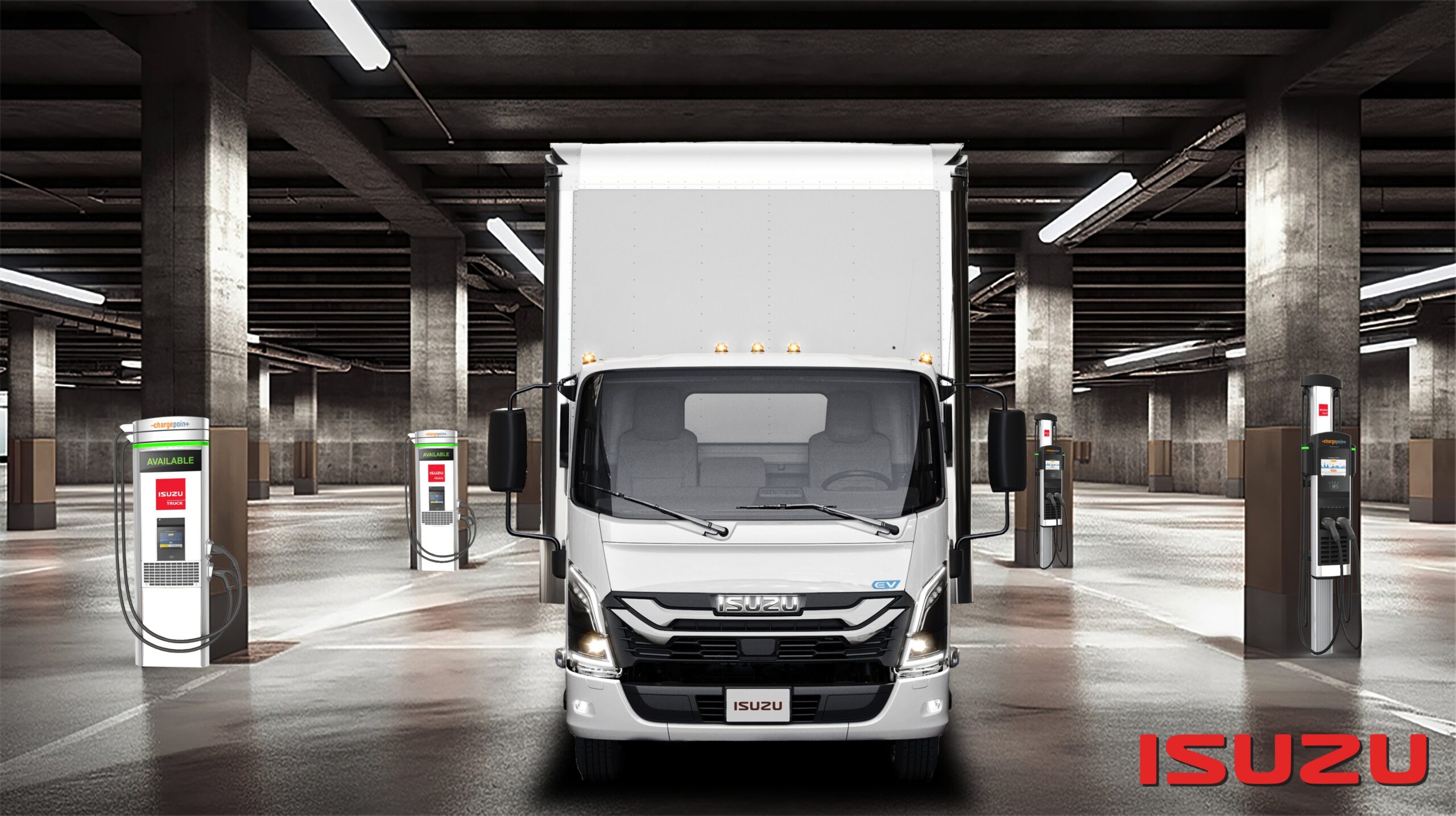
Isuzu East Africa is preparing to test the waters of Kenya’s electric vehicle (EV) market with the launch of its first battery-powered truck by 2025, positioning itself to meet the country’s shifting transport demands amid a broader global transition to cleaner mobility solutions.
The company, a leading commercial vehicle assembler in Kenya, will begin trial deployments of the truck with select clients. The move is part of a cautious but deliberate effort to collect real-world feedback and better understand the infrastructure, performance, and customer expectations tied to electric mobility in Kenya’s commercial transport segment.
“We’re starting with a truck for testing with our customers,” said Isuzu East Africa Managing Director and Chairperson Rita Kavashe. “The biggest challenge is battery life—especially because our vehicles are designed for long hours and heavy loads. We want to ensure our customers aren’t constantly interrupted by charging needs.”
The EV Push: Global Plans Meet Local Realities
Isuzu’s parent company, Isuzu Motors Limited, is investing in a global rollout of low-emission vehicles. It plans to introduce battery-electric or hydrogen fuel-cell options across its entire range by 2030. Mass production for select models is expected to begin as early as 2026.

For Kenya, the arrival of an electric Isuzu truck reflects broader market momentum. Several dealers and startups are already exploring EVs as alternatives to petrol and diesel-powered transport, driven by rising fuel costs, environmental concerns, and evolving government policies.
CFAO Mobility Kenya, which represents global auto brands locally, has begun selling models from BYD—China’s electric vehicle giant. Simba Corp has added electric SUVs to its portfolio, while homegrown innovators like BasiGo and Roam are making strides in electric buses and two-wheelers tailored for urban mass transit.

Still, the shift is far from complete. Fossil fuel-powered vehicles continue to dominate both new and used car sales in Kenya. Barriers such as limited charging infrastructure, high EV import costs, and unreliable electricity supply remain formidable.
Commercial Trucks as Kenya’s EV Litmus Test
Isuzu’s choice to start with a truck isn’t random—it’s strategic. Commercial vehicles are often among the biggest polluters and fuel consumers. Yet electrifying them poses unique technical challenges. Battery range, weight, charging time, and durability under tough road conditions all raise questions that Isuzu hopes to answer through direct customer trials.
Globally, the company is tailoring its powertrain technologies to the use case. For instance, battery-electric systems are being developed for light-duty vehicles traveling short urban routes, while hydrogen fuel-cell models—better suited for long-distance and heavy-duty applications—are in the works for trucks and larger logistics vehicles.
Unlike traditional battery EVs, fuel cell vehicles generate electricity onboard using hydrogen and oxygen, offering greater range and faster refueling. But hydrogen infrastructure is virtually non-existent in Kenya, limiting near-term deployment.
Long Road Ahead, but a Start Nonetheless
As Kenya cautiously explores its EV future, Isuzu’s local trial is likely to set benchmarks for commercial fleet electrification. The feedback from these pilot programs could inform future decisions not just for Isuzu but for industry regulators, urban planners, and fleet managers across the country.
Kavashe is realistic about the road ahead. “It will take time. But we believe this is a direction worth investing in—for our customers, for the environment, and for the future of transportation in Kenya.”
Follow us on WhatsApp, Telegram, Twitter, and Facebook, or subscribe to our weekly newsletter to ensure you don’t miss out on any future updates. Send tips to editorial@techtrendsmedia.co.ke


