

Kenya is in the middle of a powerful youth-led uprising. What started as scattered unrest after the death of teacher and activist Albert Omondi Ojwang has grown into a nationwide movement calling for justice, accountability, and economic relief.

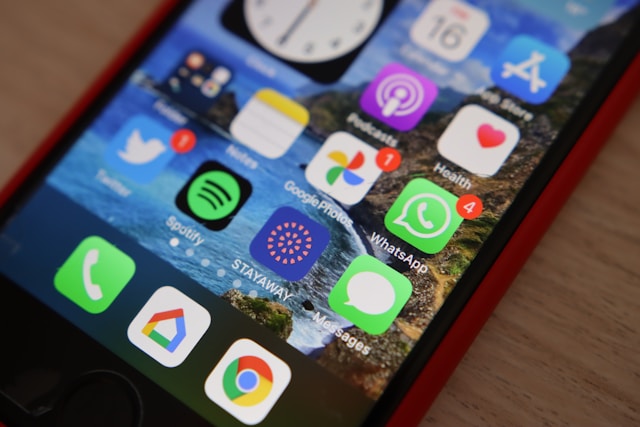
But alongside tear gas and arrests in the streets, another threat has emerged — one that’s digital, invisible, and fueled by fear: a viral lie about surveillance spreading on WhatsApp.
A Movement Built on Momentum
Many of the young protesters now flooding the streets had already shown up last year. The current demonstrations are a direct continuation of the 2024 Finance Bill protests, when Kenyans pushed back hard against new tax proposals. That moment marked a political turning point.
Now, in 2025, the energy is back — but this time, it’s sharper, more organized, and unapologetically led by Gen Z.


Why Saba Saba Still Resonates
The protests surged again on July 7 — Saba Saba Day — a date that marks the 1990 pro-democracy march against one-party rule. This year’s anniversary was the 35th, and it was reclaimed by a younger generation determined to make their voices heard.
What began as peaceful demonstrations in cities like Nairobi and Kisumu turned violent. Police responded with tear gas and live rounds. Rights groups report at least 10 deaths, nearly 30 injuries, and dozens of arrests on that day alone. The Kenya National Commission on Human Rights has called for restraint, but many on the ground say they feel targeted — not protected.

The WhatsApp Surveillance Hoax, Explained
As tensions rose, a message began to spread on WhatsApp. It claimed that the government had started recording all calls and messages. It even said a “third blue checkmark” meant state surveillance was active.
It’s all false.
The message is a hoax. It wasn’t sent by WhatsApp. It’s not backed by any official agency. And it’s not legal under Kenyan law. But its sudden appearance, right as protests gained momentum, is no coincidence.
Here’s What You Actually Need to Know
-
WhatsApp uses end-to-end encryption. That means no one — not the government, not Meta, not hackers — can access your messages or calls.
-
Checkmark meanings are simple:
-
One gray check: message sent
-
Two gray checks: message delivered
-
Two blue checks: message read
There is no third blue checkmark. There’s no red check. There’s no secret monitoring symbol.
-
-
No agency can silently tap your phone. There’s no system in place that lets a government link your device to a ministry server without your knowledge.
-
Criticizing the government isn’t illegal. Expressing political opinions — even bold or controversial ones — is protected, as long as they don’t promote violence.
This hoax, like others before it, is meant to intimidate. It’s designed to silence people by making them think they’re already being watched — even when they’re not.
A Digital Generation Under Attack
Kenya’s Gen Z grew up online. They’re organizing protests through Telegram and Twitter, sharing videos on TikTok, and using WhatsApp to spread real-time updates. These aren’t movements guided by opposition leaders or political parties. They’re decentralized, creative, and powered by the internet.
That’s exactly why false information is being used as a weapon. If you can’t shut down a protest in the streets, you try to derail it online — with fake warnings, misleading claims, and digital fear tactics that look official but aren’t.
What Protesters Are Demanding
| Issue | What Protesters Want |
|---|---|
| Police brutality | Real accountability—not another “taskforce” |
| Economic injustice | Jobs, fair taxes, and basic dignity |
| Government secrecy | Transparency, honesty, and action against corruption |
| Digital freedom | The right to speak, protest, and organize online |
These aren’t new demands — but the urgency is different this time. The message is clearer. The resolve is firmer. And this generation isn’t waiting for permission.
They’re not falling for fear.
So Where Does This Go?
That’s still unfolding. The government can choose to respond with dialogue or repression. Protesters have made it clear they’re not backing down. What’s certain is that this moment will shape Kenya’s politics long after the marches end and the hashtags fade.
For now, one truth remains: facts matter — and so do the voices brave enough to share them.
Mark your calendars! TechTrends Pulse lands in Nairobi this August! Join top tech leaders, innovators & AI experts for a half-day of keynotes, showcases & sharp insights on business transformation. RSVP now -limited slots available! Register here.
Follow us on WhatsApp, Telegram, Twitter, and Facebook, or subscribe to our weekly newsletter to ensure you don’t miss out on any future updates. Send tips to editorial@techtrendsmedia.co.ke


