
Why Kenya’s Nuclear Energy Debate Is Shifting from Kilifi to Siaya Amid Public Resistance
The fight over where to build Kenya’s first nuclear plant reveals more than policy gaps—it exposes a crisis of trust.

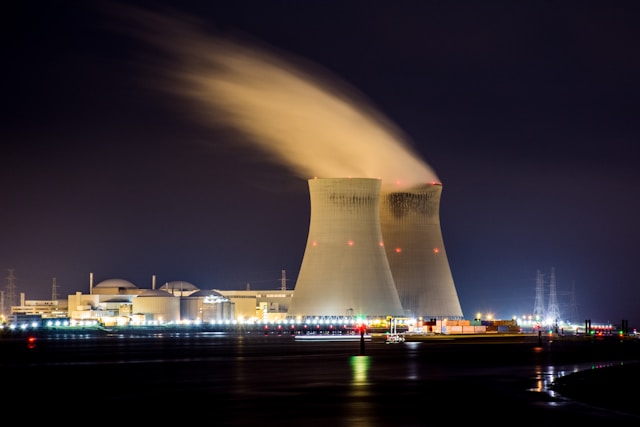
Kenya is on the move again—this time with its most controversial energy project to date. After months of fierce public opposition in Kilifi, the government is now eyeing Siaya as a possible location for its first nuclear power plant.

But even as officials float the idea of a shift, bigger questions loom: Is Kenya ready for nuclear energy? And more importantly, does the public trust the process?
From Uyombo to Siaya
Uyombo village in Kilifi was supposed to be the site of Kenya’s nuclear future. But that dream quickly unraveled. Residents weren’t having it. They raised alarms about radiation risks, water pollution, and the lack of honest engagement. For many, it wasn’t just about science—it was about being sidelined in decisions about their land and their lives.
“We weren’t consulted. We were just told,” said one Kilifi resident during a heated public forum earlier this year. “This isn’t just a project. It’s our future.”

That backlash has now pushed the project inland, with quiet murmurs that Siaya could be next. Government officials haven’t confirmed it outright, but meetings and scoping activity suggest the shift is underway.
Why Nuclear?
Kenya’s nuclear push isn’t coming out of nowhere. The idea has been on the table for over a decade. The country’s energy demand is growing, and leaders want a stable, high-output source to fuel industrial growth. Nuclear promises all that, plus the added bonus of being low-carbon, a big plus for climate commitments.

The Nuclear Power and Energy Agency (NuPEA) says the planned plant could generate 1,000 megawatts. That’s about a quarter of the country’s current installed capacity. It would be a game-changer—if it works.
But the price tag is steep: anywhere between $4 and $6 billion. And that’s just the construction cost. Kenya would also need to invest in a regulatory framework, nuclear waste handling, and a serious grid overhaul to make it all viable.
A Renewable Powerhouse—Already
Here’s the thing: Kenya is already one of the global leaders in renewable energy. More than 85% of the country’s electricity comes from clean sources. Geothermal makes up the lion’s share, followed by hydro, wind, and solar.
So why not build on that success?
Critics argue that the money earmarked for nuclear could do far more if poured into expanding geothermal, off-grid solar, or grid upgrades. It would be faster, cheaper, and wouldn’t spark the same kind of public fear.
Trust and Transparency
Kilifi didn’t just say no because of science. People there felt locked out of the conversation. And that sentiment isn’t unique. Across Kenya, there’s growing fatigue with top-down megaprojects that show up without local buy-in.
Now that Siaya is in the spotlight, community leaders and civil society groups are beginning to ask the same hard questions. Why here? Who benefits? What happens if things go wrong?
Without clear answers, the government may be walking into another public relations crisis.
The Risks We Can’t Ignore
Even in the best of conditions, nuclear power is risky. Reactors need huge volumes of water to stay cool. Kenya’s grid, meanwhile, isn’t currently equipped to absorb such a massive plant. And then there’s the radioactive waste—Kenya doesn’t have a long-term storage plan yet.
More urgently, the country doesn’t have an independent nuclear regulator in place, or a liability framework in case of disaster. That’s not just a technicality—it’s a red flag.
The Bigger Picture
There’s no doubt nuclear power has a place in the world’s energy mix. For Kenya, it could eventually help bridge the gap between industrial ambition and climate goals.
But timing, trust, and capacity matter. Right now, the country seems to be leapfrogging critical steps, hoping the pieces will fall into place.
The truth is, the nuclear question isn’t just about kilowatts—it’s about the kind of development Kenya wants. One that listens, or one that bulldozes. One that builds with people, or without them.
Until those questions are settled, the smarter move might be sticking with the energy sources that are already powering the country forward—and doing it with far less controversy.
Follow us on WhatsApp, Telegram, Twitter, and Facebook, or subscribe to our weekly newsletter to ensure you don’t miss out on any future updates. Send tips to editorial@techtrendsmedia.co.ke


