The Appeal of More Matches Fades as Intentional Dating Moves Back Into Focus
People are not looking for more matches anymore, they are looking for fewer decisions and a reason to believe the next introduction might actually lead somewhere


Every February brings the same ritual. Dating apps see a surge of activity, hopeful conversations begin, and many users return to familiar frustrations within days. Endless scrolling promises possibility yet often produces fatigue instead. The rhythm of swiping rarely leaves room for anticipation.
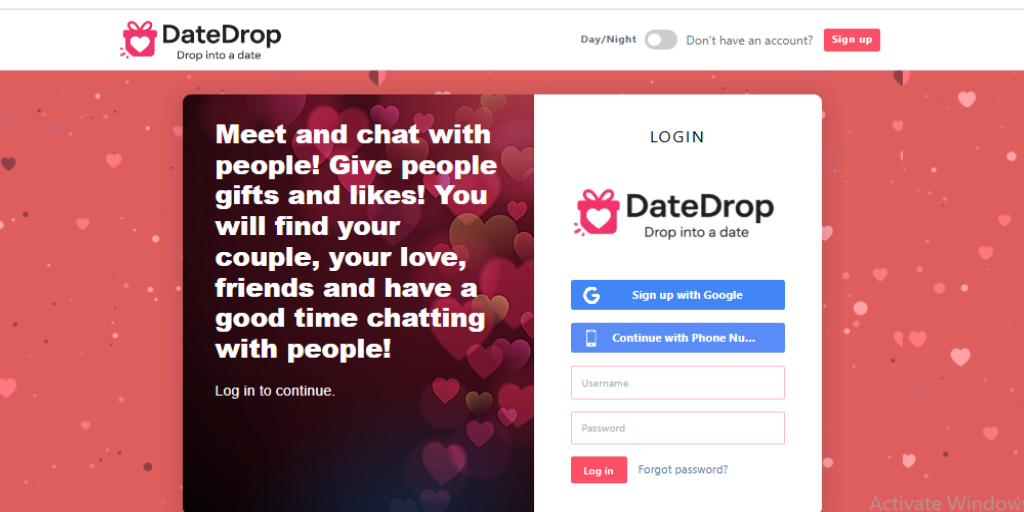
That backdrop helps explain the attention gathering around Date Drop, a matchmaking platform that asks users to slow down rather than speed up. Created by Henry Weng while studying at Stanford University, the service offers one curated match per week. No scrolling queue. No endless alternatives waiting in reserve.
The idea lands differently at a moment when dating apps feel less like discovery and more like maintenance. People keep using them, though enthusiasm has thinned. Date Drop steps into that mood rather than trying to overpower it.
Scarcity as design, not limitation
Traditional platforms such as Tinder built their dominance on scale. More profiles meant more engagement. More engagement meant stronger business metrics. The system rewarded activity, not outcomes.
Date Drop reverses the premise. Limiting matches forces attention onto a single interaction. Users know another option will not appear tomorrow, so conversations tend to carry more weight. The design leans on restraint rather than abundance.
That approach feels almost old-fashioned. Before dating became an interface, introductions arrived through friends, classes, or shared spaces. Opportunities were finite. The stakes felt higher because there was no immediate replacement waiting behind a swipe.
Some investors and observers already frame this as an early challenge to Tinder’s model. That may be premature, but the contrast is clear. One system expands choice endlessly. The other reduces it on purpose. If dating fatigue continues to grow, a model built around fewer decisions could begin to pull attention away from swipe-based platforms, particularly among younger users entering dating culture for the first time.
Access remains limited, for now
Despite the attention, Date Drop is not globally available. The service began within Stanford and has expanded to a small number of universities, including MIT, Princeton University, and the University of Pennsylvania. Outside these environments, access remains restricted, often dependent on campus launches or waitlists.
The company has indicated plans to expand into select cities during 2026, though no global rollout timeline has been announced. That constraint is partly structural. Matching systems work best when communities share some degree of overlap. Rapid expansion risks weakening the very dynamics that made early adoption successful.
Still, scarcity can also create momentum. Limited availability tends to concentrate attention, especially when users perceive the experience as different from existing options.
The algorithm steps into emotional territory
Weng frames dating as a matching problem shaped by incentives and preferences. Questionnaires, open responses, and voice interactions feed into a system trained on real-world outcomes rather than stated intentions alone. The logic is technical, though the outcome is deeply personal.
There is an underlying tension here. Algorithms can recognize patterns, but attraction resists full quantification. People change their minds. Timing interferes. Chemistry emerges in ways data struggles to anticipate.
Even so, the appeal lies in the attempt. Many users no longer believe that volume leads to compatibility. A system that narrows options can feel less like restriction and more like relief. The algorithm becomes a filter against noise rather than a generator of it.
A company built around relationships themselves
Date Drop now sits within a broader venture called The Relationship Company, structured as a public benefit corporation. The stated ambition extends beyond dating into friendships, professional introductions, and community building. Relationships become the product category rather than a single use case.
That ambition introduces familiar tensions. Platforms built around human connection often begin with idealistic goals before confronting commercial pressure. Growth demands scale. Scale alters incentives. The history of social technology offers many examples where intention and outcome diverged over time.
For now, the company remains small, shaped by campus culture and early adopters willing to experiment with a slower pace.
Dating apps after the swipe era
The rise of swipe-based dating coincided with expanding digital networks and constant connectivity. Access was the problem then. Today the complaint sounds different. People feel overwhelmed rather than excluded.
Date Drop’s appeal comes from recognizing that change in mood. Instead of promising more choice, it offers fewer decisions. The weekly cadence introduces waiting back into dating, something apps had largely removed.
Whether this evolves into a lasting challenge to Tinder depends less on technology than on behavior. If users continue drifting away from high-volume matching toward systems that emphasize intention and attention, the industry may find itself adapting to a different expectation of what online dating should feel like.
For now, the attraction is simple. In a space defined by speed, Date Drop asks people to pause. Around Valentine’s Day, that alone is enough to stand out.
Go to TECHTRENDSKE.co.ke for more tech and business news from the African continent and across the world.
Follow us on WhatsApp, Telegram, Twitter, and Facebook, or subscribe to our weekly newsletter to ensure you don’t miss out on any future updates. Send tips to editorial@techtrendsmedia.co.ke

