
Sitoyo Lopokoiyit Steps Into Absa at a Decisive Moment for Retail Banking
Absa turns to fintech experience as African retail banking enters a period shaped by regulation, digital competition, and changing customer habits

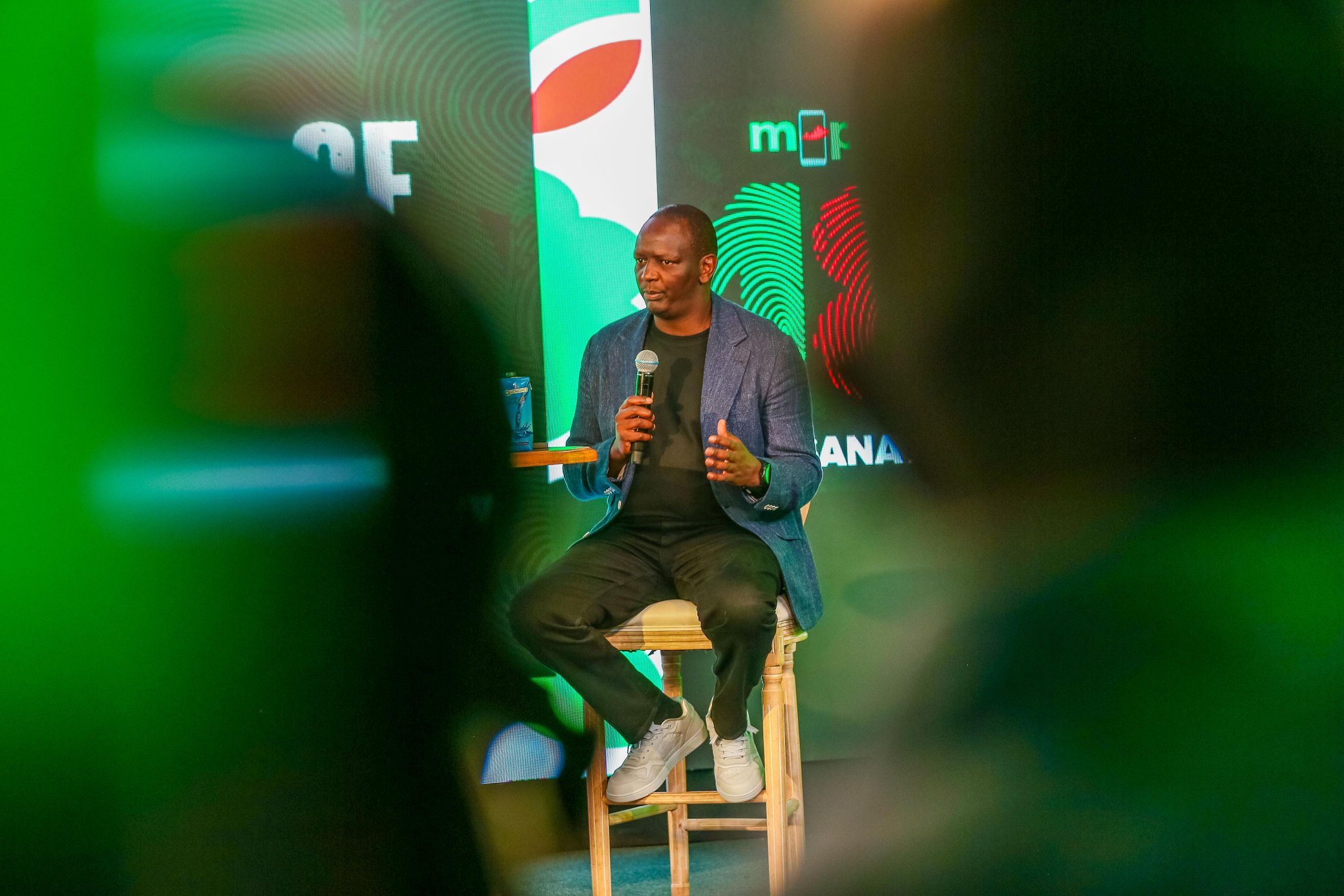
When Sitoyo Lopokoiyit takes charge of Absa’s private and personal banking unit on April 1, 2026, he will be stepping into a business that sits at the core of the group’s retail ambitions across Africa. It is a move that reads less like a routine executive rotation and more like an argument about where African banking is headed.

Lopokoiyit arrives from M-Pesa Africa, where he served as chief executive officer. Before that, he was chief financial officer at Safaricom, overseeing the strategy and commercial expansion of a platform that processes billions of dollars in mobile money transactions annually. His professional arc has been tied to the rise of digital finance in East Africa, particularly Kenya, where mobile money evolved from a telecom side product into critical infrastructure.
Absa, meanwhile, is a legacy bank with deep corporate roots and a retail footprint that stretches across multiple African markets. The private and personal banking division he will lead is responsible for affluent customers, mass retail clients, deposits, lending, and cross-selling insurance and investment products. It is where margins are defended and growth targets are either met or missed.
This appointment folds those two worlds together.


The Institutional Context Absa Cannot Ignore
Absa Group has spent the past few years trying to refine its identity after separating from Barclays Plc in 2018. The rebrand was complete. The strategy, less so. Retail banking across Africa is under pressure. Capital requirements remain demanding. Cost-to-income ratios are stubborn. Digital-first fintechs nibble at payments and credit. Telecom-led platforms, especially in East Africa, control daily transactional flows.
In Kenya, the Central Bank’s regulatory framework has tightened steadily. Capital adequacy ratios, liquidity coverage standards, and consumer protection rules have all grown more stringent over the past decade. Across the continent, regulators have imposed higher provisioning requirements following pandemic-era stress. Banks cannot simply grow loan books without regard for risk-weighted assets. Every percentage point of return on equity is hard won.

Absa’s private and personal banking business operates in this terrain. It competes not only with traditional banks but with mobile wallets, agency banking networks, digital lenders, and wealth platforms that do not carry full banking balance sheets. The profit pool is fragmenting.
Hiring the former head of M-Pesa Africa into this space suggests that Absa sees digital rails not as peripheral but as central to retail banking economics.
From Wallet Economics to Balance Sheet Discipline
Lopokoiyit’s tenure at Safaricom and M-Pesa was built around scale. M-Pesa’s business model thrives on high transaction volumes, low individual ticket sizes, and a network effect that compounds as more users join. Revenue stems from fees embedded in everyday transfers, bill payments, and merchant settlements. Float income, partnerships, and credit products layered on top deepen margins.
Banking, by contrast, is constrained by capital buffers, loan-loss provisions, and liquidity ratios. A bank cannot expand deposits and lending without aligning to Basel-derived frameworks adopted by African regulators. It must manage interest rate risk, credit cycles, and asset-liability mismatches.
The question is whether a mobile money executive steeped in platform economics can rewire a traditional retail bank division without undermining the prudential discipline that banking demands.
There is precedent for cross-pollination. Several African banks have recruited fintech executives to accelerate digital transformation. The results have been uneven. Technology alone does not fix a cost base or revive net interest margins when sovereign bond yields move or central banks tighten policy.
Yet Absa’s calculation appears straightforward. The customer relationship now begins on a phone screen. If the private and personal banking franchise cannot anchor itself in daily digital behaviour, it risks becoming a secondary provider of credit and savings products while others control the front door.
Nairobi as Strategic Theatre
The timing of the appointment carries its own weight. Just 1 week before the announcement, Absa Group CEO Kenny Fihla visited Nairobi for 3 days, meeting National Treasury Cabinet Secretary John Mbadi and Central Bank of Kenya Governor Kamau Thugge.
Such meetings are rarely ceremonial. Kenya remains one of Absa’s most important markets. It is also one of Africa’s most advanced digital finance ecosystems. Regulatory scrutiny is intense. Policy debates around mobile money interoperability, digital lending oversight, and consumer data protection remain active.
Installing a Kenyan executive with deep telecom-fintech credentials at the helm of a continental retail unit reads as a strategic anchoring. Nairobi is not merely a local market; it is a laboratory for models that can be exported to Ghana, Botswana, Zambia, or Mauritius, albeit with adaptation.
If Absa intends to harmonize digital retail products across multiple jurisdictions, it will have to navigate regulatory divergence. Mobile money is bank-led in some countries, telecom-led in others. Interchange fees, capital thresholds, and licensing frameworks differ. An executive who has worked across M-Pesa’s multi-country footprint brings lived experience of that patchwork.
The Affluent Client in a Digital Age
Private and personal banking is not monolithic. It spans entry-level retail customers to affluent individuals seeking wealth advisory services. In many African markets, the affluent segment is expanding, albeit unevenly. Urban professionals, diaspora investors, and entrepreneurs expect digital convenience but also bespoke advisory.
Traditional private banking relied on relationship managers, branch offices, and curated service tiers. That model persists, yet client expectations have evolved. High-net-worth individuals now demand real-time portfolio visibility, cross-border payment efficiency, and integrated credit solutions that function seamlessly with digital wallets and online platforms.
Lopokoiyit’s background suggests an emphasis on customer journey design, platform integration, and data-driven product development. Whether that translates into deeper wallet share within Absa’s affluent base will depend on execution. The bank’s technology stack, legacy systems, and internal governance will either enable or constrain ambition.
There is also the cultural dimension. Banks and telecom operators operate at different speeds. Decision cycles, compliance protocols, and risk appetites diverge. Integrating fintech-style agility into a bank without fraying internal controls is not a minor managerial exercise.
Capital, Competition, and Compression
Across African banking, margins have narrowed in several markets due to interest rate volatility and intensified competition. Fintech lenders, though often more expensive to borrowers, capture customers who value speed over price. Agency networks reduce distribution costs. Digital onboarding trims paperwork.
Absa’s private and personal banking division must defend its deposit base while growing quality credit. That is the arithmetic. Deposits remain the cheapest source of funding. Yet younger customers are less loyal to a single institution. They maintain multiple accounts and wallets.
If Absa can use digital interfaces to deepen primary account relationships, it may stabilize funding costs. If it cannot, it risks funding pressure and rising cost-to-income ratios. The competitive field includes pan-African banks, local incumbents, and non-bank players that face lighter regulatory burdens.
The appointment therefore carries financial stakes beyond symbolism. It intersects with return on equity targets, capital allocation decisions, and long-term growth assumptions embedded in investor models.
The Broader African Retail Question
African retail banking sits at an inflection point defined by demographics and technology. The continent’s median age remains under 20 in many countries. Smartphone penetration continues to rise. Informal economies remain large. Formal credit penetration remains relatively low compared to developed markets.
Banks can either entrench themselves as digital-first institutions or concede transactional dominance to telecoms and fintechs while focusing on wholesale and corporate segments. Absa appears to be choosing the former.
Lopokoiyit’s career reflects the maturation of African fintech from insurgent upstart to institutional partner. His move into a major banking group suggests the boundaries between bank and telecom finance are softening. What began as competition may evolve into structural integration.
Yet integration brings tension. Banks answer to regulators whose mandates include systemic stability. Mobile money platforms grew under frameworks that were initially lighter. Aligning those regimes across multiple countries remains a work in progress.
If Absa leans too heavily into platform-style growth without tightening risk controls, it invites regulatory friction. If it remains overly cautious, it risks irrelevance among digitally native customers.
What This Appointment Ultimately Represents
At face value, Absa has hired an executive with deep experience in financial services and telecom-led finance to run a continental retail franchise. Beneath that, the move reflects a broader contest over who owns the African consumer financial relationship.
Will banks reclaim daily transaction flows and build wealth products atop them? Or will they become balance sheet providers behind digital interfaces controlled by others?
Lopokoiyit steps into a role that forces that question into the open. His start date of April 1, 2026 places him at the helm during a period when regulatory scrutiny, digital competition, and macroeconomic volatility intersect.
Absa is wagering that the instincts honed in mobile money can coexist with the discipline required of a regulated bank. If the bet pays off, the private and personal banking franchise may look less like a legacy unit and more like a platform with a balance sheet attached. If it falters, it will underline the difficulty of merging two financial cultures shaped by different rules and rhythms.
For now, the appointment stands as a marker of where African retail finance believes its next contest will unfold: not in branch halls, but on the screen, within systems that blend telecom logic with banking capital.
Go to TECHTRENDSKE.co.ke for more tech and business news from the African continent and across the world.
Follow us on WhatsApp, Telegram, Twitter, and Facebook, or subscribe to our weekly newsletter to ensure you don’t miss out on any future updates. Send tips to editorial@techtrendsmedia.co.ke


