Kenya’s Digital Push Enters an Uncomfortable Phase as the Last Mile Tests What Infrastructure Alone Can Deliver
Connectivity expanded across the country, yet the deeper challenge sits in whether access translates into use, trust, and real economic participation


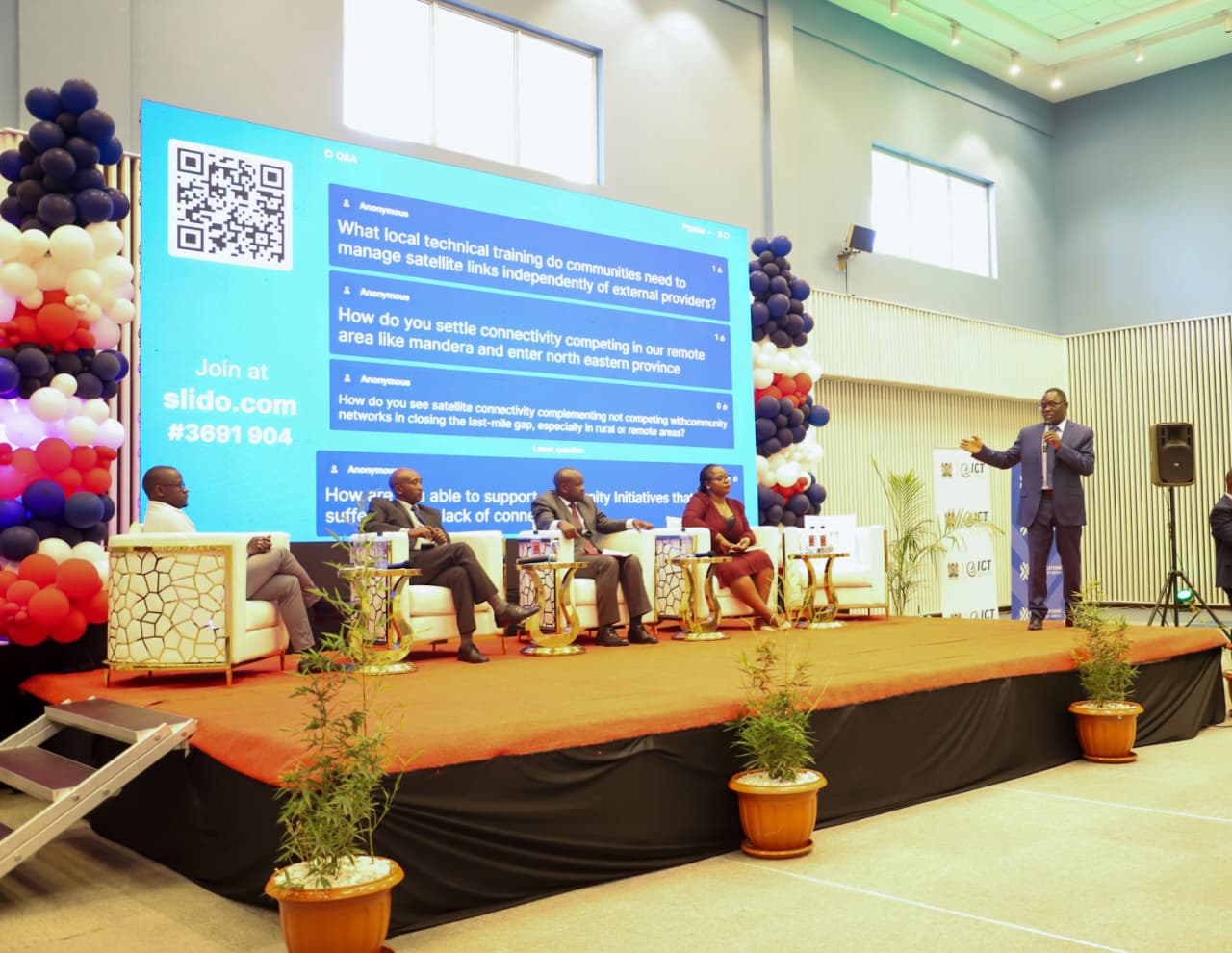
Kenya has spent years building the physical foundations of a connected economy. Fibre routes expanded alongside highways, mobile networks reached places once considered commercially unreachable, and digital services moved steadily into everyday life. The country now faces a more complicated phase. Coverage exists across most of the territory. Usage remains uneven, sometimes strikingly so.

The current focus on digital skills and last-mile connectivity reflects an uncomfortable recognition. Infrastructure alone does not produce participation. A network can reach a community without becoming part of its economic or social routine. The gap between connection and use has become the central problem in the digital divide in Kenya.
Policy conversations increasingly reflect that reality. Officials speak less about towers and more about outcomes, about whether connectivity changes livelihoods or simply exists as technical capacity waiting to be used.
When Coverage Outpaces Use
Kenya reports over 97 per cent 4G coverage and about 30 per cent 5G reach. These figures suggest a country approaching universal access. Yet internet usage in parts of Marsabit and Mandera remains below 5 per cent. The discrepancy reveals something infrastructure statistics tend to conceal.


Access is measurable. Adoption is not as straightforward. A signal reaching a village does not guarantee affordable devices, relevant services, or the confidence to transact online. In many areas, connectivity arrived faster than local digital ecosystems developed around it.
The result is partial participation. People go online intermittently, often for specific tasks, then disconnect. Data spending follows income cycles. Digital engagement becomes occasional rather than embedded in daily activity. The infrastructure works, but the surrounding conditions lag behind.
This is where the digital divide begins to look less technological and more structural.
The Last Mile and the Limits of Commercial Logic
Extending networks into sparsely populated regions has always strained conventional telecom economics. Operators depend on density and predictable revenue. Remote counties offer neither. Investment costs rise while returns thin out.
Public intervention attempts to close that gap. The Universal Service Fund finances infrastructure in areas where commercial rollout stalls. Yet building networks is only the first step. Sustainability depends on whether usage grows enough to support ongoing costs, maintenance, and upgrades.
Policy discussions increasingly frame last-mile connectivity as a balance between public responsibility and private investment. Mobile network operators provide scale and technical capacity, while government focuses on licensing frameworks, spectrum allocation, and incentives meant to reduce risk in rural deployment. The arrangement sounds straightforward. In practice, coordination is uneven, and timelines rarely align.
Community-led networks have emerged in this space, often anchored in schools or local institutions. Their strength lies in proximity to users rather than scale. They adapt to local realities more easily than national operators. Their weakness is financial fragility. Some endure longer than expected because they serve needs larger providers overlook. Others struggle once initial support fades.
No single model dominates. The ecosystem remains mixed, sometimes improvised.
Skills as the Missing Layer
Digital skills have moved to the centre of policy attention, partly because infrastructure expansion exposed how uneven digital literacy remains. Training programmes now range from classroom sessions to bootcamps and AI-assisted learning platforms, with the intention of reaching millions across both ASAL and non-ASAL counties.
The difficulty lies in translation. Training does not automatically convert into economic opportunity. Many programmes assume stable connectivity, personal devices, and available time for learning. Those assumptions do not always hold. Youth participation tends to be high, but older populations and informal workers often remain outside these initiatives despite being central to local economies.
There is also an unresolved question about depth. Basic digital literacy enables access, but income generation requires more specialised skills. Without clear pathways into employment or enterprise, training risks becoming detached from economic reality.
Kenya has encountered similar dynamics in earlier development efforts. Participation grows quickly. Outcomes take longer.
Policy Ambition Meets Everyday Constraints
Government policy frames digital inclusion within the Constitution of Kenya (2010) and the Bottom-Up Economic Transformation Agenda. The language emphasises equity and access. Implementation depends on coordination across regulators, ministries, operators, and development partners, each moving at different speeds.
Affordability continues to shape behaviour more than coverage does. Devices carry upfront costs. Data pricing influences how often users connect and how long they stay online. Even where networks perform well, intermittent income leads to intermittent usage.
Cybersecurity has also become part of the conversation as connectivity expands. Trust influences adoption. Fraud and misinformation erode confidence, particularly among first-time users. Connectivity without perceived safety slows uptake.
What emerges is a reminder that digital systems function as social systems. Technical solutions alone rarely resolve social barriers.
Inclusion as an Ongoing Process
Kenya’s digital ambitions sit alongside broader economic inequalities that technology alone cannot resolve. Connectivity increasingly determines access to markets, services, and information. Yet progress remains uneven, advancing in some regions while stalling in others.
There is a visible contradiction in the present moment. The country can claim near-universal network reach while still confronting limited participation in certain counties. Both realities exist at once.
The next phase of the digital divide in Kenya will likely depend less on expanding coverage and more on aligning incentives and outcomes. Local services that make connectivity useful. Skills programmes tied to real economic pathways. Financing models capable of surviving beyond donor timelines. None of these developments arrive quickly, and none follow straight lines.
For now, last-mile connectivity marks the end of one chapter rather than the conclusion of the story. The network has reached most places. Inclusion remains unfinished work, shaped as much by economics and trust as by technology itself.
[Secure Your Seat at Africa Tech Summit Nairobi 2026 | February 11–12 here] Use code TTRENDS10 at checkout to save 10% on your pass and join the leaders building Africa’s $1 trillion cross-border payment future.
Go to TECHTRENDSKE.co.ke for more tech and business news from the African continent.
Follow us on WhatsApp, Telegram, Twitter, and Facebook, or subscribe to our weekly newsletter to ensure you don’t miss out on any future updates. Send tips to editorial@techtrendsmedia.co.ke

