The Long Argument Over TikTok Ended Without Anyone Claiming Victory
Ownership changed on paper while the real argument moved into governance and enforcement


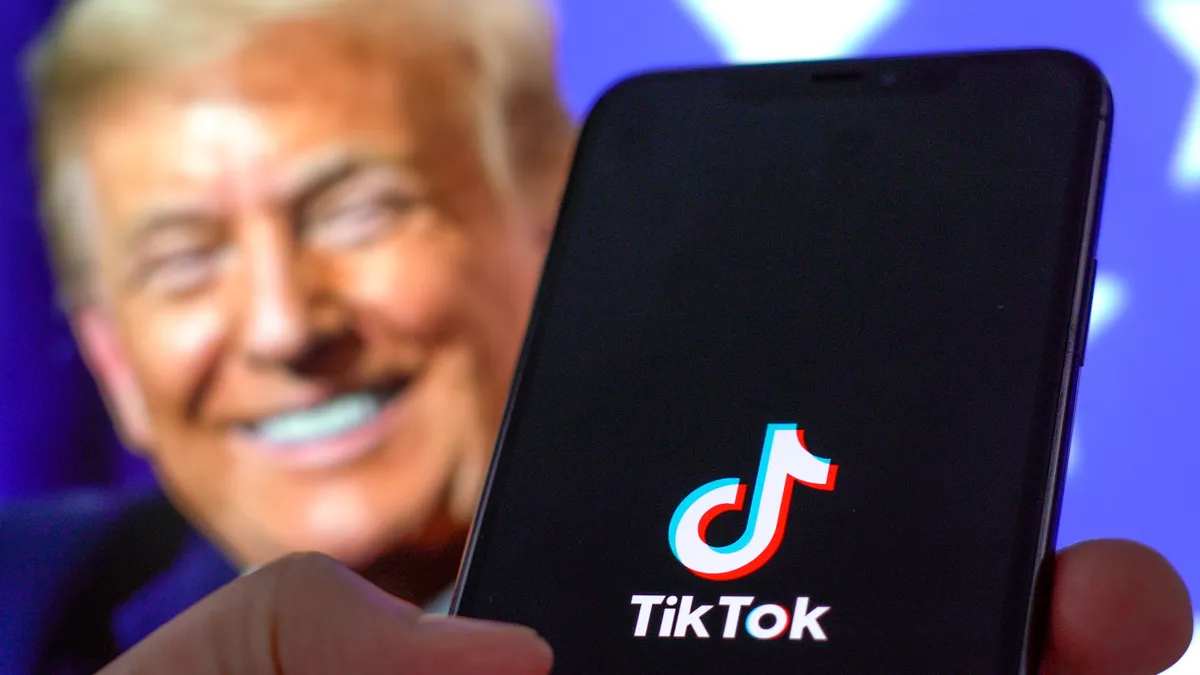
The TikTok US business sale formalises a compromise that neither Washington nor Beijing ever described publicly but both have been working toward for years. The platform remains online. Ownership is narrowed. Oversight is localised. What changes is not the app’s presence, but the chain of responsibility around it, who governs data, who answers to regulators, and who absorbs political risk when scrutiny returns.
Oracle and Silver Lake anchor the new structure, joined by institutional investors and MGX, a state-backed fund from the UAE. ByteDance stays below 20 percent. The design is deliberate. It preserves economic participation while relocating legal accountability inside US jurisdiction, where enforcement no longer requires diplomacy.
That number matters. It has functioned as a ceiling throughout the dispute, low enough to claim separation, high enough to preserve value. Control here is not defined by who earns dividends. It rests with whoever is summoned first when regulators decide something has failed.
Law Pressing Against a Platform That Would Not Bend
The United States did not reach this outcome by persuasion. It arrived through statute and deadline. In 2024, Joe Biden signed a law requiring ByteDance to divest its US operations or face a ban grounded in national security concerns. The Trump administration later issued a 120 day stay, extending enforcement to Jan. 22 and leaving space for a deal that had already been outlined behind closed doors.

China resisted because the dispute was never limited to ownership. The recommendation engine sits at the center of TikTok’s value and its political sensitivity. Beijing classifies such systems as protected technology. Exporting one is not treated as a commercial choice alone.
Rather than force a transfer, the final arrangement sidesteps it. Oversight replaces possession. Security commitments substitute for source code. The conflict is not resolved. It is contained, at least for now.
The Algorithm Remains the Question Everyone Avoids
No official purchase price has been confirmed, though JD Vance said in September that the US unit would be valued at roughly $14 billion. That figure reflects an uncomfortable truth for policymakers. TikTok without its algorithm is an empty shell. TikTok with its algorithm is the reason the app was targeted.
Previous negotiations collapsed on this point. This time, the parties accepted a different fiction. The algorithm remains intact, but its operation is fenced off through governance, audits, and contractual assurances. The newly formed US entity assumes responsibility for data protection, content moderation, and algorithm security, all under a majority-American board of 7 directors.
Whether this holds will depend less on architecture than on behavior. If the system produces outcomes regulators find tolerable, the structure survives. If not, the same dispute returns, reframed but unresolved.
Washington’s Win, Narrow and Procedural
For the US government, the result offers compliance rather than closure. The law was enforced. The deadline was met. Majority control now sits with domestic investors. Data governance is formally local.
What it does not provide is insulation. The platform remains influential. Political content still circulates at scale. Public suspicion has not been legislated away.
There is also an implicit concession embedded in the outcome. Outright bans on globally embedded platforms create legal exposure, diplomatic friction, and domestic backlash. This deal reflects an acceptance that constraint is more workable than prohibition.
Beijing’s Acceptance, Carefully Limited
China’s public response has been restrained. Officials restated established positions and avoided commentary on the details. That restraint is part of the agreement’s logic.
By allowing the transaction to proceed, Beijing avoids a precedent of forced algorithm export while retaining a minority economic stake. It also removes a persistent irritant from an already crowded agenda of trade controls, semiconductor restrictions, and investment scrutiny.
This was not an endorsement of US policy. It was a calculation about where resistance still produces leverage.
What the Structure Exposes Going Forward
The TikTok US business sale closes a chapter without settling the underlying argument. The new governance model will be tested through audits, compliance reviews, and the first controversy that demands accountability.
If the platform draws regulatory fire, officials now have a domestic board to summon and contracts to enforce. If it does not, the arrangement becomes a reference point for how states manage foreign platforms they distrust but cannot discard.
That tension extends beyond TikTok. It speaks to how power is exercised in systems where ownership, influence, and accountability no longer align cleanly. The paperwork says control has changed. The platform will decide whether that claim holds.
[Secure Your Seat at Africa Tech Summit Nairobi 2026 | February 11–12 here] Use code TTRENDS10 at checkout to save 10% on your pass and join the leaders building Africa’s $1 trillion cross-border payment future.
Go to TECHTRENDSKE.co.ke for more tech and business news from the African continent.
Follow us on WhatsApp, Telegram, Twitter, and Facebook, or subscribe to our weekly newsletter to ensure you don’t miss out on any future updates. Send tips to editorial@techtrendsmedia.co.ke

