

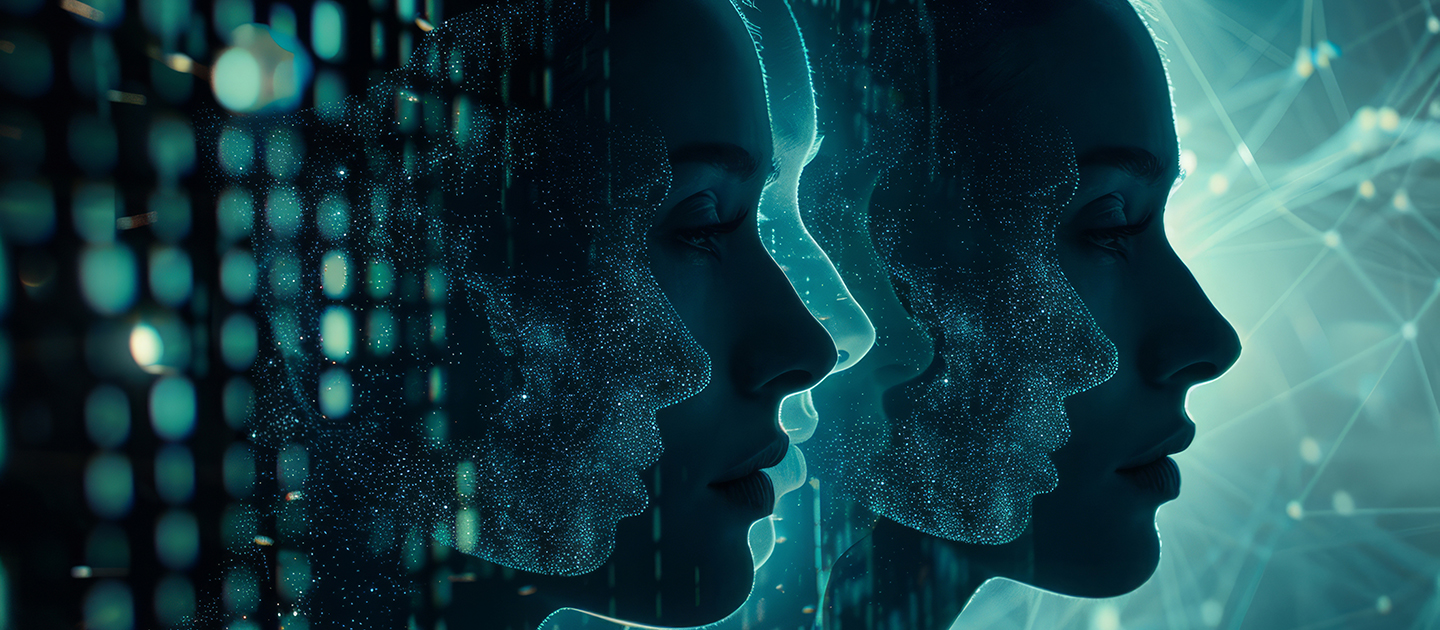
In a world where misinformation often prevails, the emergence of deepfakes has massively disturbed the already shaky ground of public trust in a manner that few technological threats have done before. Deepfakes are a combination of video, images, and sound created by artificial intelligence that are often indistinguishable from the real thing. This technology makes it alarmingly easy for the public to be misled, manipulated, or emotionally wounded.

The growth of this menace has called for the immediate implementation of tougher rules and regulations to fight the malicious use of deepfakes. Awareness and education for the general public and employees are increasingly seen as the most important strategies in defending against this threat. Consequently, many organizations are holding regular training and public awareness campaigns to inform people how to recognize signs of manipulated content. The European Union and other regulatory bodies are working together on efforts such as the Draft EU AI Act. This act will require the labeling of AI-generated content and the prohibition of certain deepfake activities, thereby facilitating the establishment of global protective frameworks.
Besides the regulations and awareness programs that companies are putting in place, they are also adopting technical modes of combating this threat. This includes deploying multi-layered detection systems that incorporate both technological tools and human expertise to cope with the rapidly growing danger. The rapid evolution of AI allows perpetrators to become stronger, creating a constant arms race. Digital watermarking is among the few suggested solutions that can provide safety on the internet. As watermarking and similar techniques mature, they enable the tracking of sources and the verification of authenticity. New tools are being trialed to create transparent channels that expose the origin of content.
A startup called Truthscan has recently introduced a deepfake detection tool and an AI content watermarking system designed to help organizations verify images and videos more reliably. Nevertheless, professionals continue to stress the need for caution even as these advancements are made. Christian Perry, CEO of Truthscan, notes, “At least when it comes to viruses, you have things like anti-viruses or an online general knowledge of their existence. There is no such thing when it comes to deepfakes, and they are dangerous on the market.” His warning reflects the emotional weight of this new digital threat—one that can wipe out reputations or destroy trust within moments.

Alongside watermarking techniques, real-time detection technologies are moving to the next level very quickly. Engineers are developing AI models specifically tuned to detect anomalies in live media streams, spotting fake content the moment it is broadcast. These tools are considered “must-haves” for news agencies, state departments, and social media platforms, all of whom are trying hard to put a lid on the fast spread of misinformation. Furthermore, the emotional toll on human moderators, who are frequently exposed to upsetting fake content, has pushed developers to create automated systems that better support human reviewers. This has resulted in the creation of multimodal analysis, where detection across various modes—audio, text, and visual information—is used to find inconsistencies that the human eye alone would not notice. This method increases the accuracy of the process, which is vital given how difficult it is to discern perfectly crafted deepfake videos.
The next major step is likely the combination of AI detection with content lineage, authentication, and biometric checks to ensure that verification methods are robust. These advanced methods will be able to find and track subtle cues, such as micro-facial movements, unnatural blinking patterns, or inconsistent shadows—features that usually go noticed by normal viewers. As the tools used for mimicking humans in deepfakes get even more sophisticated, the need for layering multiple detection tools becomes stronger.
The situation is emotionally charged. Individuals whose images are misappropriated frequently say they feel invaded, helpless, and mentally disturbed. The situation is even worse for women, as well as political and public figures who are often the primary subjects of deepfake technology. They face not only harassment and reputational damage but, in extreme cases, real-world violence. For this reason, the development of anti-deepfake technology is not merely a race between tech companies, but a defense of human dignity.
Ultimately, public education remains one of the most effective means of protection. Awareness campaigns are being conducted globally with the goal of making people skilled in spotting edited content. Teaching communities about these issues is a priority; therefore, training for schools, corporations, media, and government agencies on emotional intelligence, digital literacy, and critical thinking is being promoted. In this manner, society can remain resilient against fake news designed to divide populations or sway votes. By making education the first line of defense, people will not only be more certain of their ability to tell the real from the unreal but will also gain power against an overwhelming and purposely misleading digital environment.
The struggle against deepfakes is very much a human matter. Although new technologies—such as watermarking, real-time detection, multimodal analysis, and layered verification—are among the most efficient methods of dealing with the issue, they do not address the core problem: empowering people to withstand emotional manipulation, reputational damage, and social distrust. As innovations continue to emerge and legal systems around the world evolve, one thing remains clear: fighting deepfakes is not merely a tech challenge but an ethical issue that must be solved. Society will have to create new policies, build support networks for the disadvantaged, and insist on full disclosure from tech companies to ensure that, in the era of AI, truth, identity, and human dignity are not lost.
Go to TECHTRENDSKE.co.ke for more tech and business news from the African continent and across the world.
Follow us on WhatsApp, Telegram, Twitter, and Facebook, or subscribe to our weekly newsletter to ensure you don’t miss out on any future updates. Send tips to editorial@techtrendsmedia.co.ke

