People Are Moving Their Money More Often, Yet the Amounts Tell a Tougher Story
Agent networks keep expanding even as the heavy cash they relied on slips out of circulation and into more cautious hands


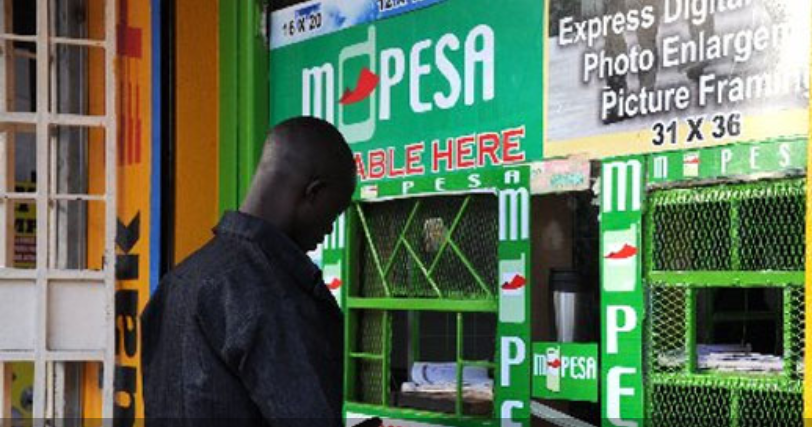
Cash flowing through Kenya’s mobile money agents has fallen to levels not seen since the platform’s early days. This drop reveals the strain that reduced purchasing power has put on daily economic activity. New figures from the Central Bank show a Sh344.9 billion decline in the value of transactions from January to September. This is the largest drop recorded since M-Pesa launched in 2007. The decline highlights a growing gap between activity at agent booths and the actual value of money circulating through them.

Lower Spending Power Reshapes Everyday Transactions
The drop in cash volumes comes at a time when many households face shrinking disposable income. Higher mandatory deductions have cut into monthly budgets, while limited job opportunities have kept wages stagnant. These pressures have created a cautious spending environment, making large withdrawals or deposits that usually support business operations less common.
Despite these pressures, the overall business climate has not fallen apart. The Stanbic PMI stayed above 50 points for six of the nine months, indicating some areas of resilience. However, this stability at firms did not reach consumers, who struggled with inflation and stagnant earnings. On the ground, this resulted in lower-value transfers and more modest cash movements through agents.
Rising Activity but Shrinking Value
The difference between the increase in agent transactions and the decrease in value is striking. Customers carried out 1.91 billion transfers during this time, which is a significant rise from the previous year. What changed was the amount of each transaction. People opted for small, split payments, a strategy that helps them manage mobile money fees and conserve limited cash.


At the same time, more users shifted part of their financial tasks to wallet-to-bank transfers, cutting down the need to visit physical agents. Banks have supported this change through better app services, offering customers a more direct option for moving money without handling cash.
Agent Networks Expand as Cash Cycles Shrink
Interestingly, the number of agents is growing despite falling cash volumes. There were 456,742 active agents in September, a twenty-four percent increase from a year earlier. Safaricom’s own network expanded by more than fourteen percent in the six months leading to September. The rise in agent numbers shows competition for customer reach but also highlights the gap between physical accessibility and the value of transactions being processed.
This mismatch reflects a broader liquidity issue in the banking sector. Lenders continue to hold large cash reserves due to slow loan uptake. Loan defaults have made banks more selective with credit, limiting new lending into the economy. With businesses borrowing less and households avoiding large commitments, the cash cycles that once flowed into mobile money channels have tightened significantly.
Digital Tools Reduce the Role of Cash
The advancement of digital banking has also allowed consumers to skip agents entirely. Bank apps now enable direct transfers to mobile wallets, which minimizes the need for cash deposits or withdrawals. For customers dealing with moderate or large amounts, this offers a smoother process that avoids agent fees and the hassles of handling cash.
This trend contrasts sharply with the early years of mobile money, when nearly every transaction involved physical cash at a booth. The system has matured. Mobile wallets now focus on digital flows instead of cash movement, bypassing the agent structure that originally powered the system.
A System Adjusting to a New Financial Reality
The historic drop in cash processed by agents does not indicate a decline in mobile money use. Instead, it shows a shift in economic pressures and a user base that is adapting to financial constraints. More transactions are occurring, but the amounts are smaller and increasingly digital. This results in an agent network that appears busier on the surface yet handles less value beneath it.
Go to TECHTRENDSKE.co.ke for more tech and business news from the African continent.
Follow us on WhatsApp, Telegram, Twitter, and Facebook, or subscribe to our weekly newsletter to ensure you don’t miss out on any future updates. Send tips to editorial@techtrendsmedia.co.ke

