
Roam’s Quick Charger Hits the City and Forces a Rethink of How Riders Move, Wait and Plan Their Days
The new charger lands in a city where riders are counting every minute they lose to slow stations that still sit too far apart


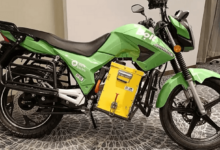
Roam Motors has introduced a new fast-charging point to Nairobi’s EV map, and it changes the pace of daily operations for riders. The station fills an 80-kilometre battery in about twenty minutes. It uses a 6.6-kilowatt DC setup that accepts open-charge standards, which means motorbikes, tuk-tuks and light cars can connect without brand restrictions. Previously, fixed chargers at Roam hubs required nearly an hour, while mobile options took much longer. Now riders have a quicker option that fits into tight schedules.

The site runs around the clock. Riders pay through mobile money or the Roam app. During the day, units cost forty shillings. At night, the price falls to twenty-five. Kenya Power offers a lower off-peak rate, yet Roam is banking on faster turnaround time to draw users who prioritise speed over small tariff differences.
A Market Growing Faster Than Its Charging Base
Kenya’s EV population has climbed above nine thousand units. Much of that rise has come from two-wheelers, which dominate new registrations. Yet limited charging options outside Nairobi continue to undermine confidence in longer journeys. Riders in Kisumu, Nakuru and Eldoret often worry about whether they will find a working charger along the way. As a result, many drivers plan routes conservatively and avoid less familiar corridors.
To reduce these constraints, EV firms have been placing chargers at established service stations. This approach gives riders dependable locations and lowers installation costs for operators. It also places charging along existing traffic flows, which improves convenience for both commuters and delivery riders.

A National Rollout Takes Shape
The State is now adding a broader structure to these private efforts. The Ministry of Energy and Petroleum has committed 47.26 million dollars to build ten thousand EV charging stations. The intention is to extend infrastructure to towns that have lagged behind the capital.
The rollout follows a phased sequence. First come seventeen towns along major highways, including Voi, Naivasha, Nakuru, Eldoret and Kisumu. Next come twenty-three additional towns such as Malindi, Machakos, Narok and Kisii. The last stage targets satellite towns and county headquarters and carries the highest cost. Together, these phases move charging into regions that currently lack reliable access.

Alongside this national plan, forty-five new chargers have been announced for seven counties. Nairobi, Nyeri, Kisumu, Eldoret, Nakuru, Mombasa and Taita Taveta are all part of the expansion. Six stations will be installed at Jomo Kenyatta International Airport. These placements strengthen inter-county travel and serve passengers who rely on airport transfers.
Financing and Partnerships Behind the Buildout
Several institutions now share responsibility for financing and deployment. Kenya Power has allocated more than two hundred million shillings over three years for new stations and for electrifying its fleet. Public sites created with partners such as TotalEnergies and Ampersand already support riders at key points in Nairobi. Moja EV Kenya plans to add one hundred additional charging stations, many equipped with fast 80-kilowatt DC units.
Local manufacturers stand to gain as well. BasiGo is expanding its network in Embakasi, Kikuyu and Buruburu to support its electric bus fleet. Because its vehicles depend on predictable charging access, these additions strengthen both production and operations.
Demand on the grid is also rising. EV electricity use grew sharply in the second half of 2024, showing the potential for new revenue streams. Policy incentives reinforce this trajectory. EVs are free of VAT, excise duty now sits at ten percent and tariffs guide drivers toward off-peak charging. Furthermore, the National Building Code 2024 requires new buildings to include charging in at least five percent of parking slots. Banks and utilities are introducing financing tools, which help lower the barrier to entry for buyers.
Managing Load and Stability
The wider rollout adds technical pressure to the grid. More chargers increase the likelihood of peak-hour congestion. Consequently, engineers call for smart-charging systems and grid upgrades to keep the network stable. These adjustments will shape how quickly charging can scale without creating new bottlenecks.
Firms Position for a Regional Market
Roam has placed about 3,500 electric motorbikes on Kenyan roads since 2017, and its new station fits into a larger plan. The company aims to introduce universal fast chargers in Machakos, Thika, Kiambu and Kajiado in 2026. BasiGo is also extending its network, adding new points in Nyahururu and Kiambu. These moves align with national priorities and strengthen local manufacturing.
As the rollout widens, Kenya is becoming a regional reference point in e-mobility. The highway corridors, county hubs and airport installations together form a grid that supports both routine commutes and longer trips.
A Market Moving Into Its Next Phase
The combination of Roam’s new fast charger, the State’s 10,000-station plan and private investments signals a more connected EV landscape. The path forward will depend on steady deployment, workable tariffs and grid resilience. Even so, the direction is clear. Kenya’s EV market is growing, and the infrastructure beneath it is beginning to match that momentum.
Go to TECHTRENDSKE.co.ke for more tech and business news from the African continent.
Follow us on WhatsApp, Telegram, Twitter, and Facebook, or subscribe to our weekly newsletter to ensure you don’t miss out on any future updates. Send tips to editorial@techtrendsmedia.co.ke


