
Apple Slows Down the iPhone Air Project After Buyers Turn Away from the Trade-Offs
Apple’s engineers chased thinness to perfection, and somewhere along the line, lost sight of what people actually need.


Apple’s grand experiment with thinness seems to have hit a wall. The iPhone Air, once teased as a statement of minimalism and engineering precision, is being pulled back from the spotlight. What was supposed to mark a new era of lightweight flagships has instead turned into a cautionary tale about how far form can stretch before it begins to strain function.

Behind the decision is a simple reality: buyers didn’t follow. For all its elegance, the iPhone Air traded away the things that ordinary users notice most — battery longevity, lens versatility, and thermal comfort. Reports now indicate that Apple has scaled down or ended production of the first-generation Air, while the sequel, the iPhone Air 2, has been removed from the company’s immediate roadmap.
From Showcase to Sidelined
The original iPhone Air landed as Apple’s thinnest and lightest large-screen phone, slimmer even than the iPhone 17 Pro. It carried a 6.5-inch Super Retina XDR display and a single 48MP lens, which Apple described as capable of multiple focal lengths through digital cropping. That framing didn’t hold up in daily use. What users saw was a premium device that cost nearly as much as a flagship yet lacked the breadth of a dual or triple camera setup.
Suppliers have since begun winding down production. Foxconn, according to those close to the supply chain, has dismantled most of its Air assembly lines. Luxshare, another key partner, ended its own production earlier this quarter. The project isn’t entirely cancelled, but insiders describe it as “off the schedule” — rare for a line that debuted barely months ago.
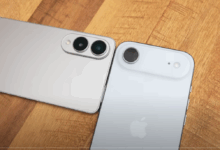

The follow-up model had been designed to fix some of the first Air’s most visible compromises. It was meant to include a vapor chamber for better cooling and a second rear lens, arranged horizontally. But as of now, that hardware has no launch window.
Thinness Meets the Consumer Wall
The market’s response has been clear: people may admire thin devices, but they buy endurance. The iPhone Air’s slim frame required a smaller battery and reduced heat management space, which led to faster drain and warmer performance under heavy use. Those constraints undermined the device’s own price bracket.
It’s a pattern Apple has seen before. The iPhone mini promised portability but faltered on battery life. The Plus revived screen size but offered little differentiation. In each case, design variety met the cold math of production costs and demand curves. The Air followed that lineage — a bold idea that found itself boxed in by consumer practicality.
What Comes Next for Apple’s Lineup
With the Air off the immediate calendar, Apple’s 2026 slate now narrows. The company is expected to focus on the iPhone 18 Pro and its foldable counterpart, both central to its high-end portfolio. The standard iPhone 18 and a lower-priced 18e model are reportedly planned for spring 2027.
That gap leaves an open question about how Apple will frame its middle segment. The Air had aimed to bridge Pro-tier luxury and mainstream affordability through design. Its absence creates a structural hole that Apple will need to fill with something else — perhaps a thinner Pro variant, or a new form factor entirely.
If the company reintroduces the Air concept later, possibly in 2027, it will likely do so with revised priorities. A second attempt would need more than a slimmer chassis. It would have to prove that lightweight engineering can coexist with stamina and camera parity.
The Broader Lesson Inside Cupertino
The pause on the iPhone Air 2 underscores a recurring tension inside Apple’s design philosophy. The company thrives on precision and restraint, but the modern smartphone market rewards endurance and adaptability. Thinness still carries aesthetic weight, but it no longer defines innovation. Consumers expect tangible benefits — speed, depth, power efficiency — not just sculpted profiles.
Apple’s own experiments have shown how the market draws its boundaries. The Air’s retreat doesn’t mark a defeat in design ambition, but a recalibration of where users draw the line between beautiful and useful. The question now is whether Apple can find that balance again before competitors move the conversation elsewhere.
Go to TECHTRENDSKE.co.ke for more tech and business news from the African continent.
Follow us on WhatsApp, Telegram, Twitter, and Facebook, or subscribe to our weekly newsletter to ensure you don’t miss out on any future updates. Send tips to editorial@techtrendsmedia.co.ke

