Airtel’s Smartcash Ends Banking Fees As Nigeria Pushes Toward Broader Digital Access
Smartcash’s zero-charge gamble lands in a tense moment for Nigeria’s digital economy, where the promise of inclusion keeps colliding with the reality of trust, access, and what people can actually afford.


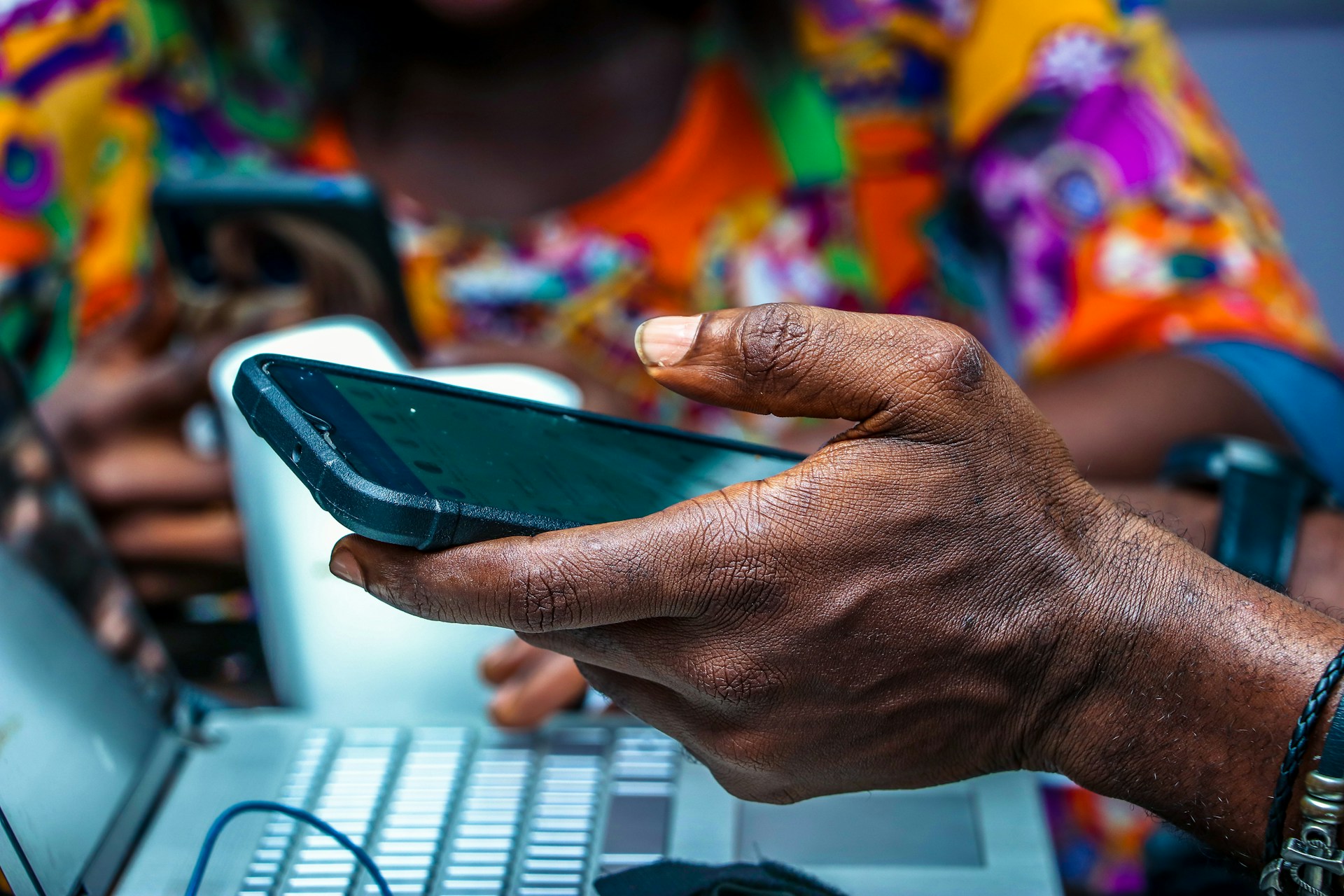
Smartcash Payment Service Bank, a subsidiary of Airtel Nigeria, has decided to erase what most digital users long treated as inevitable — transaction charges. The company’s Zero-Charges scheme cancels fees on interbank transfers, bill payments, and even SMS notifications. It’s a move meant to lower barriers for the unbanked, widen access for those already in the system, and chip away at one of the quiet costs of digital finance.
Tunde Kuponiyi, Smartcash’s chief executive, described the change as an effort to ease pressure on households and small enterprises that live within narrow margins. Millions in Nigeria already rely on mobile-based transfers, but many still step back when charges accumulate. By removing the fees, Smartcash is betting that a small psychological shift — the feeling that each tap no longer carries a cost — can nudge more users to go fully digital.
A Market Still Balancing Between Cash And Code
Nigeria’s cash culture remains deeply rooted. Even after the Central Bank’s cashless policy years ago, small vendors, transport operators, and informal traders continue to treat digital money as a backup rather than a base. Many fear failed transfers, delayed reversals, or simple app fatigue.
That hesitation gives context to Smartcash’s decision. It isn’t only about generosity or marketing. It’s an attempt to close the credibility gap between digital promise and daily experience. In towns where electricity flickers and data coverage wavers, reliability defines trust. If Smartcash can make zero-fee transactions feel not only affordable but consistent, that trust could compound faster than any campaign.
![[Namibia] Paratus and MTN sign country’s first roaming agreement](https://techtrendske.co.ke/wp-content/uploads/2021/11/Paratus-Namibia-220x150.jpeg)
A Familiar Pattern, With a Wider Shadow
Airtel has been rehearsing versions of this play elsewhere. In Kenya, Airtel Money’s Rudishiwa campaign offered cashback to users on select transactions, a softer version of the “free” idea — still designed to make mobile payments habitual. The markets differ, but the philosophy rhymes. Lower friction, higher activity, more data, deeper stickiness.
That Kenyan experiment now looks like a regional template, one that Airtel is refining across borders. The group’s planned Airtel Africa mobile money IPO, expected around 2026, puts financial services at the heart of its continental strategy. Nigeria, with its population scale and still-evolving banking penetration, becomes the stage where that strategy can prove itself in raw form.
So while Smartcash’s zero-charge policy reads as a local intervention, it also folds into a much larger financial choreography — Airtel Africa nudging its various markets toward one narrative of seamless, low-cost transactions.
Everyday Economics
Picture a market trader sending small transfers through the day, or a parent paying school fees and utility bills by phone. Each transaction carries a modest charge, yet over time the cost builds. Remove those charges and the barrier to using digital tools begins to fade. What once felt like a small penalty starts to feel routine, even natural.
For households managing tight budgets, the savings can be noticeable. For small traders working with little cash on hand, lower transaction costs can ease daily pressure. Still, free access alone does not guarantee new habits. The real test lies in reliability, speed, and whether agents and apps hold up when demand surges.
The Long Game For Airtel
Smartcash’s decision also plays into a wider contest among Nigeria’s payment service banks — including MTN’s MoMo PSB and Opay — to capture everyday financial life. By dropping fees, Smartcash isn’t just offering relief. It’s altering how users calculate convenience itself.
There’s an undercurrent of strategy here. The cost of “free” service has to be absorbed somewhere — through data growth, cross-platform engagement, or new credit and insurance products embedded within the ecosystem. It’s the long view: win trust, grow volume, and later find sustainable yield.
That approach echoes Airtel Africa’s continental rhythm — a telecom quietly turning into a financial institution with a communications license attached. If Smartcash manages to hold user confidence while cutting fees to zero, it may not only change digital banking in Nigeria. It could strengthen Airtel’s hand ahead of its next corporate milestone, when its mobile money arm eventually steps into the open market.
deepens.
The Stakes Beneath The Surface
For Nigeria, the implications reach beyond one company. Free transactions challenge traditional banks that still depend on fee income. They also test regulators to keep oversight sharp as telecom-led banks grow their financial reach. It’s a moment that merges policy, profit, and public access — and no one yet knows which will lead.
Smartcash’s move could be remembered as a short-lived incentive or as a turning point in how Nigeria moves money. The difference will depend on what happens next: whether the system holds when millions more start to use it, and whether users feel that going digital finally costs nothing but a bit of trust.
Go to TECHTRENDSKE.co.ke for more tech and business news from the African continent.
Mark your calendars! The GreenShift Sustainability Forum is back in Nairobi this November. Join innovators, policymakers & sustainability leaders for a breakfast forum as we explore sustainable solutions shaping the continent’s future. Limited slots – Register now – here. Email info@techtrendsmedia.co.ke for partnership requests.
Follow us on WhatsApp, Telegram, Twitter, and Facebook, or subscribe to our weekly newsletter to ensure you don’t miss out on any future updates. Send tips to editorial@techtrendsmedia.co.ke
TechTrends Media Podcasts

