A New Kind of Instalment Credit Is Testing Whether Flexibility Can Widen Opportunity
Plenty of people stretch expenses across days or weeks and hope nothing unexpected knocks them over, so the chance to take home something big without paying it all at once can feel closer to progress than a favour.


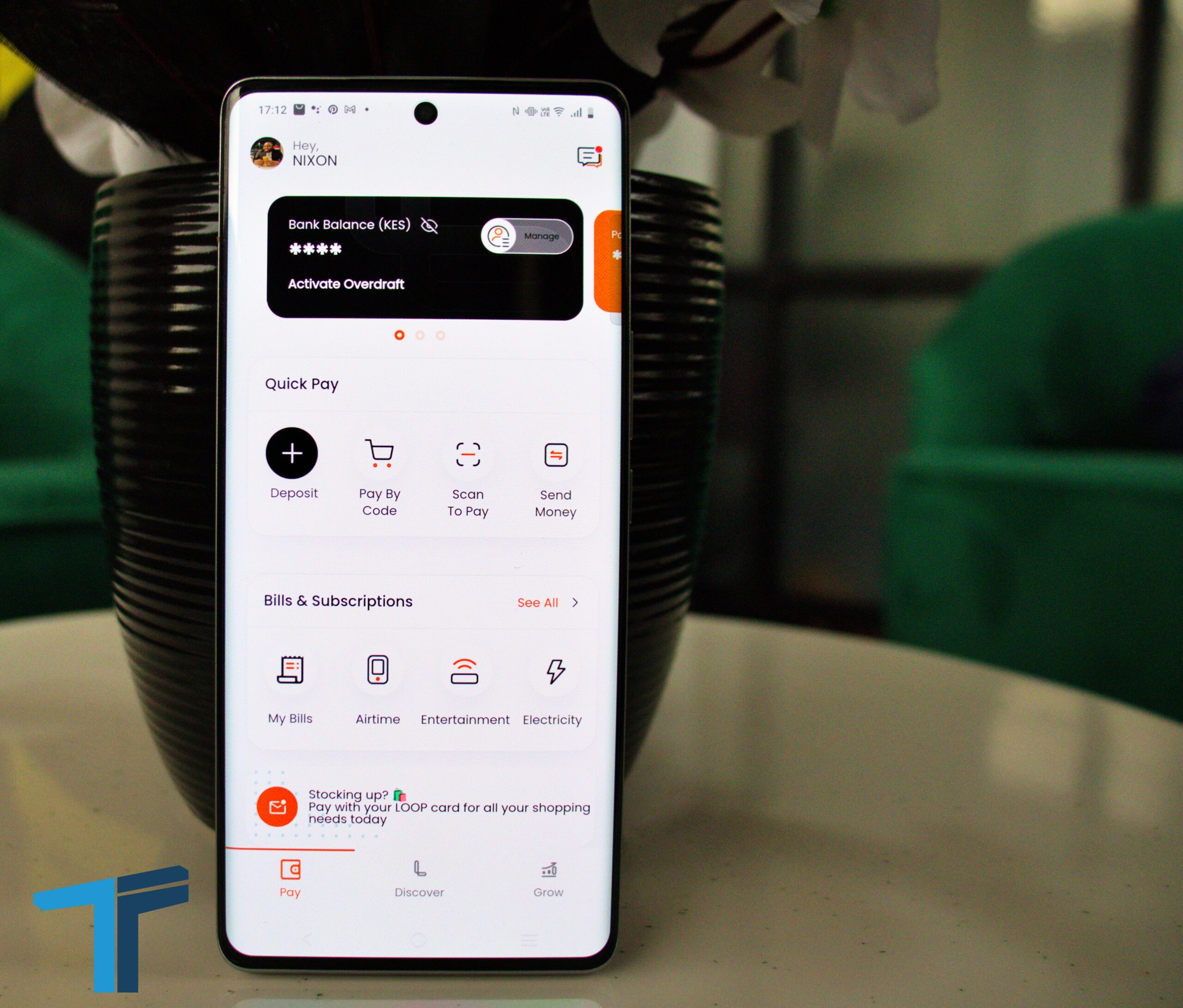
LOOP has introduced LOOP FLEX, a Buy Now, Pay Later model built around small deposits and staggered repayment. The terms are straightforward on paper: a minimum 10 percent down payment, repayment periods running from three to twelve months, and loan values starting at KES9,000. Credit limits range between KES15,000 and KES1,000,000. Customers can hold up to five active loans at once. A facility fee of 4 percent applies, along with excise duty.

The scale of the limits and the allowance for multiple concurrent loans place the product in a category closer to consumer credit than instalment convenience. That distinction will matter later, especially if repayment behaviours mirror those seen in other credit products.
How it actually works in the real world
Access happens through the LOOP app. One route starts at the merchant level: the customer logs in, selects M-PESA or LOOP BIZ, enters the merchant till number, states the purchase amount, pays at least 10 percent upfront, chooses a repayment period, checks the summary and authorises the transaction with a PIN.
Another route starts inside the app interface. A user goes to the “Grow” section and selects the FLEX option. They then pick a payment channel, enter the till number, indicate the total, pay the minimum deposit, choose the loan duration, review the breakdown and finalise with a PIN. Only merchants already onboarded to LOOP FLEX can be paid through the feature. What the buyer sees is a familiar transaction flow with extended repayment built in.


Who benefits, who carries the risk
The design assumes people will spread costs without accumulating unmanageable balances. That assumption holds only if repayment patterns align with income flows. LOOP sets eligibility requirements: customers must be registered, have a positive credit limit, hold no overdue loans and accept the terms. The model relies on risk-based pricing, though its fairness depends on the underlying data.
Merchants receive full settlement immediately. That accelerates sales cycles and could draw in those selling higher-value goods. Whether consumers experience it as relief or accumulation will depend less on the interface and more on income consistency and cost awareness.
The company’s place in a larger financial system
LOOP operates under a banking group and packages its offerings through a lifestyle framing. The structure gives it reach through existing customer bases and merchant connections. At the same time, it places the product inside a regulatory environment that is only starting to catch up with instalment-based digital credit.
BNPL products blur lines between payment, lending and consumption. Once fees, interest calculations or excise duties are attached, regulators may treat the offering as credit rather than a payment plan. That would trigger requirements around disclosure, reporting, dispute handling and borrower assessment.
Pricing, transparency and everyday decisions
The visible numbers are simple. The long-term cost is not always. A facility charge combined with excise duty alters the final amount a customer repays. People often focus on monthly outflow, not full cost. Merchant promotions could further shift perception if they foreground immediate affordability.
The app flow presents summaries before confirmation, which offers one layer of disclosure. Whether that is enough to interrupt quick decision-making remains to be seen, especially when transactions feel routine.
Small warning signs and possible outcomes
Several developments will show how the product is landing. Uptake among lower-income users could point to pressure more than planning. Category clusters — such as electronics, appliances or non-essential goods — will reveal how the tool is being used. Stacked loans may indicate liquidity gaps rather than planned repayments.
From there, outcomes could diverge. A cautious rollout with manageable defaults would normalise the product without major strain. Faster uptake without guardrails might draw regulatory scrutiny. A spike in arrears could force reconsideration of terms or credit modelling.
The merchant angle and its consequences
Merchants gain from faster payments and larger carts. Larger retailers will likely formalise it quickly; smaller traders may see it as a way to keep up with competitors already using instalment options. Merchant-led promotion could shape how consumers interact with the tool, especially if offers target non-essential spending.
If FLEX becomes a standard at checkout, consumer behaviour could change more broadly. The question is whether education and repayment discipline keep pace.
The data question and visibility of debt
The pricing model rests on repayment records and transactional data. That sharpens credit decisions but also risks excluding informal earners or misclassifying risk. Whether LOOP FLEX loans appear in credit registries will determine how visible household debt becomes. If recorded, defaults affect future access to other loans. If not, lenders elsewhere may underestimate exposure.
What regulators, advocates and journalists should watch
In the early phase, the most telling indicators will be default rates, borrower profiles, marketing patterns and category hotspots. Over time, complaints, guidance notices and any new rules will reveal how authorities interpret the product.
Analysts and reporters can track contract examples and repayment schedules to see how costs accumulate. Advocates might focus on clarity of on-screen disclosures and repayment support. Policymakers could push for clearer annualised cost figures or structured affordability prompts.
Two policy steps that could bring clarity
One option is a mandatory cost summary screen that spells out monthly and total repayment before approval, and cannot be bypassed. Another is to ensure all BNPL balances appear in credit reports in real time. Both measures would improve transparency and cut down on untracked exposure.
A final note on consequences and direction
BNPL has matured elsewhere, but local conditions will shape outcomes here. Kenya’s strong mobile money infrastructure and informal income patterns create a mixed environment for repayment consistency. LOOP’s backing and scale make the product likely to spread quickly.
The outcome will not turn on branding or launch events. It will emerge through repayment data, loan stacking, merchant uptake, revisions to terms and policy responses. The introduction of LOOP FLEX is less an endpoint than a starting point in how instalment credit is absorbed into everyday transactions.
Go to TECHTRENDSKE.co.ke for more tech and business news from the African continent.
Mark your calendars! The GreenShift Sustainability Forum is back in Nairobi this November. Join innovators, policymakers & sustainability leaders for a breakfast forum as we explore sustainable solutions shaping the continent’s future. Limited slots – Register now – here. Email info@techtrendsmedia.co.ke for partnership requests.
Follow us on WhatsApp, Telegram, Twitter, and Facebook, or subscribe to our weekly newsletter to ensure you don’t miss out on any future updates. Send tips to editorial@techtrendsmedia.co.ke
TechTrends Media Podcasts

