Bolt Send Moves Into Mombasa and Kakamega, Taking On Fargo, G4S and Boda-Bodas in Kenya’s Fast-Evolving Parcel Delivery Business
Bolt wants to make parcel delivery as familiar as hailing a ride, but can the Nairobi model really hold up in new cities with different rhythms?


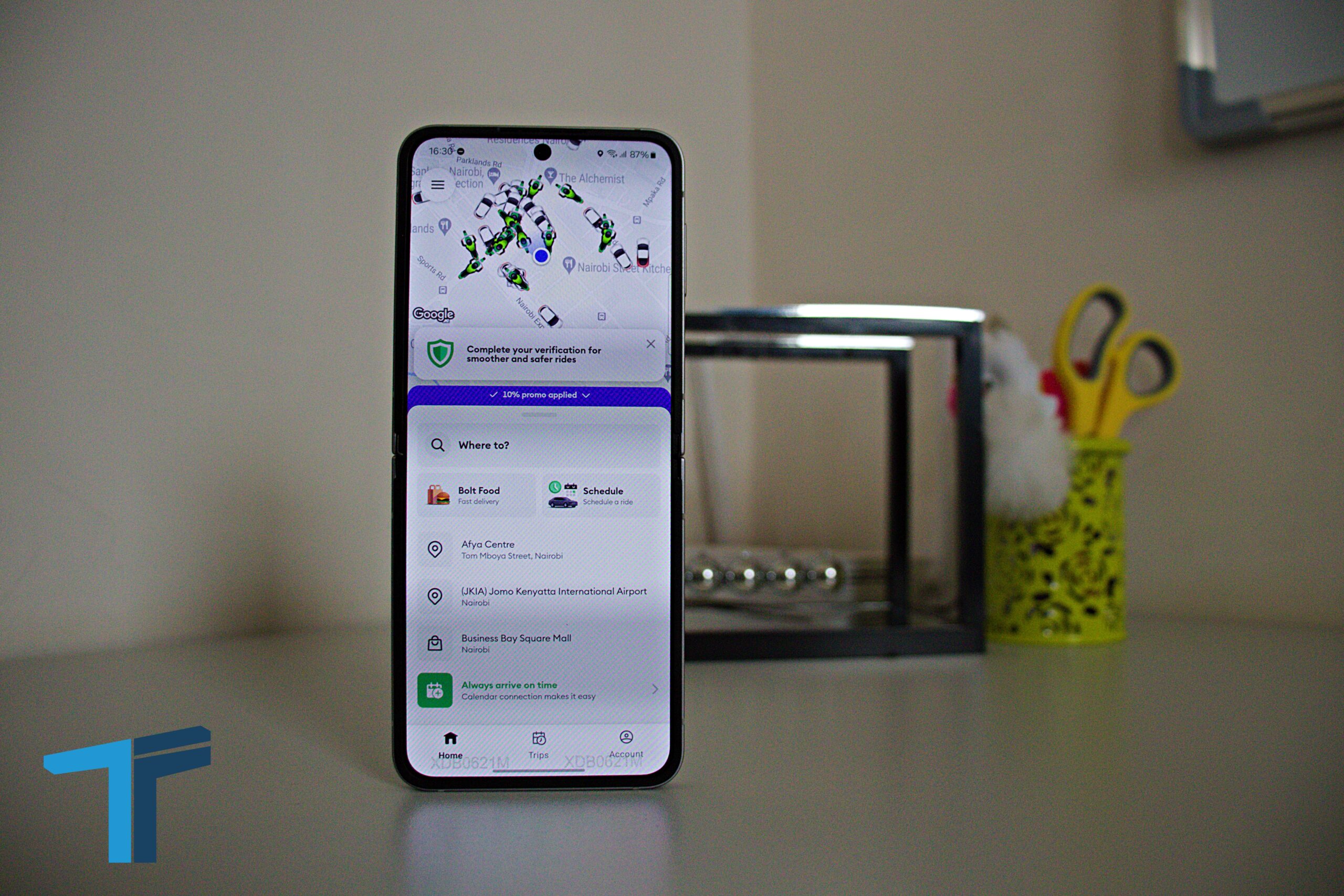
Bolt has grown familiar to Kenyans as a ride-hailing app, but in recent months it has been trying something different: moving parcels instead of people. In Nairobi, Bolt Send has quietly become a side option for users who want a package delivered with the same ease as booking a car. Now, the company says Mombasa and Kakamega are next in line.

The service lives inside the main Bolt app. A user requests a delivery, gets a driver to pick up the parcel, and tracks it in real time. Pricing shifts with distance and demand. On paper, it’s not radically different from existing courier options. The difference is who it’s aimed at—ordinary customers and small businesses that already trust Bolt with their commutes.
A crowded market, different bets
Kenya isn’t short of delivery services. Fargo Courier and G4S have been household names for years, especially for corporate clients and inter-county shipments. Both have recently polished their offerings, layering on real-time tracking and promises of same-day dispatch.
But Bolt is eyeing another slice of the pie. It wants the small business owner selling clothes on Instagram, the student sending documents across town, the café running out of supplies at lunchtime. For that crowd, convenience matters more than a courier’s legacy reputation. By folding parcels into the same app that gets you home from work, Bolt is betting that frictionless access will beat tradition.


Why Mombasa and Kakamega, and why now
Choosing where to go next is telling. Mombasa is Kenya’s coastal hub, with its port, its tourist economy, and a growing urban middle class that buys and sells through digital platforms. Deliveries there are as much about personal convenience as they are about trade.
Kakamega, meanwhile, represents something else: a test of how a service like Bolt Send performs outside the country’s obvious urban giants. The town has an energetic trading culture and a younger population comfortable with mobile payments. It isn’t the first place global tech firms usually pick for pilots. That may be Bolt’s gamble—get in early, and shape habits before anyone else does.
The logistics gap e-commerce left wide open
Kenya’s e-commerce story has always had a weak link: getting goods from sellers to buyers in a way that feels reliable. Complaints about delays, disappearing parcels, and opaque pricing are common. The industry has grown fast, but the infrastructure to serve it hasn’t always kept pace.
Bolt’s pitch is that it can repurpose its existing driver network to solve this. No new depots, no big capital investments—just a shift in what those drivers carry. It’s efficient, but it also raises a question: can a system designed to move passengers really handle the quirks of parcel logistics, from fragile goods to sudden spikes in demand?
Rivals on all sides
Bolt won’t have the space to itself. Large couriers still dominate the corporate market. Fargo and G4S are entrenched, and their reputations—however mixed—carry weight. At the other end of the spectrum, informal boda-boda couriers still own the quick-and-dirty end of the business. They’re cheap, fast, and know their neighborhoods better than any app could.
Bolt’s challenge is to show why its service is worth paying for. Tracking and an in-app experience may win some customers. For others, a trusted rider at the corner stage might still feel like the safer bet.
What to watch
Will people in smaller towns adopt app-based delivery with the same enthusiasm as Nairobi’s early users? Probably not at the same pace. In Kakamega, informal boda-boda riders still carry strong trust, and for many small traders, price will outweigh the novelty of an app. Yet if Bolt keeps fares competitive and leans on its tracking feature, it could gradually chip away at that loyalty.
Can Bolt scale without frustrating drivers or customers? That depends on how much flexibility drivers are given. If parcels fit naturally into their daily ride schedules, the system might thrive. But if drivers feel overburdened with deliveries that don’t match their routes, the service could face early drop-offs.
And how long before established couriers retaliate? The larger firms are unlikely to chase after every single consumer delivery, but they could easily introduce cheaper app-based options to blunt Bolt’s edge. Fargo, for instance, has already been tinkering with same-day tech-driven dispatches, and it wouldn’t take much for them to extend that to the casual market.
So while Bolt has clear advantages—brand familiarity, tech integration, and an eager user base—the expansion is less a sure win and more a balancing act. If it works, the company will have proven that its network can double as a logistics backbone. If it falters, it may simply remind Kenyans that moving parcels is trickier than moving people.
Bolt’s balancing act
Bolt Send’s entry into Mombasa and Kakamega will be watched closely, not just by competitors but by consumers eager for alternatives. The service has the advantage of convenience, app familiarity, and an existing driver network. But success outside Nairobi will depend on more than those strengths. It will hinge on how Bolt adapts to local delivery cultures, navigates competition from both formal couriers and boda-bodas, and builds trust in towns where brand loyalty is still up for negotiation.
For now, Bolt has set the stage for a broader battle over the everyday parcel—one that could redefine last-mile logistics in Kenya’s digital era.
Go to TECHTRENDSKE.co.ke for more tech and business news from the African continent.
Mark your calendars! The GreenShift Sustainability Forum is back in Nairobi this November. Join innovators, policymakers & sustainability leaders for a breakfast forum as we explore sustainable solutions shaping the continent’s future. Limited slots – Register now – here. Email info@techtrendsmedia.co.ke for partnership requests.
Follow us on WhatsApp, Telegram, Twitter, and Facebook, or subscribe to our weekly newsletter to ensure you don’t miss out on any future updates. Send tips to editorial@techtrendsmedia.co.ke
TechTrends Media Podcasts

