Trump TikTok Deal With China: Why Xi’s Approval Still Leaves Major Questions Unanswered


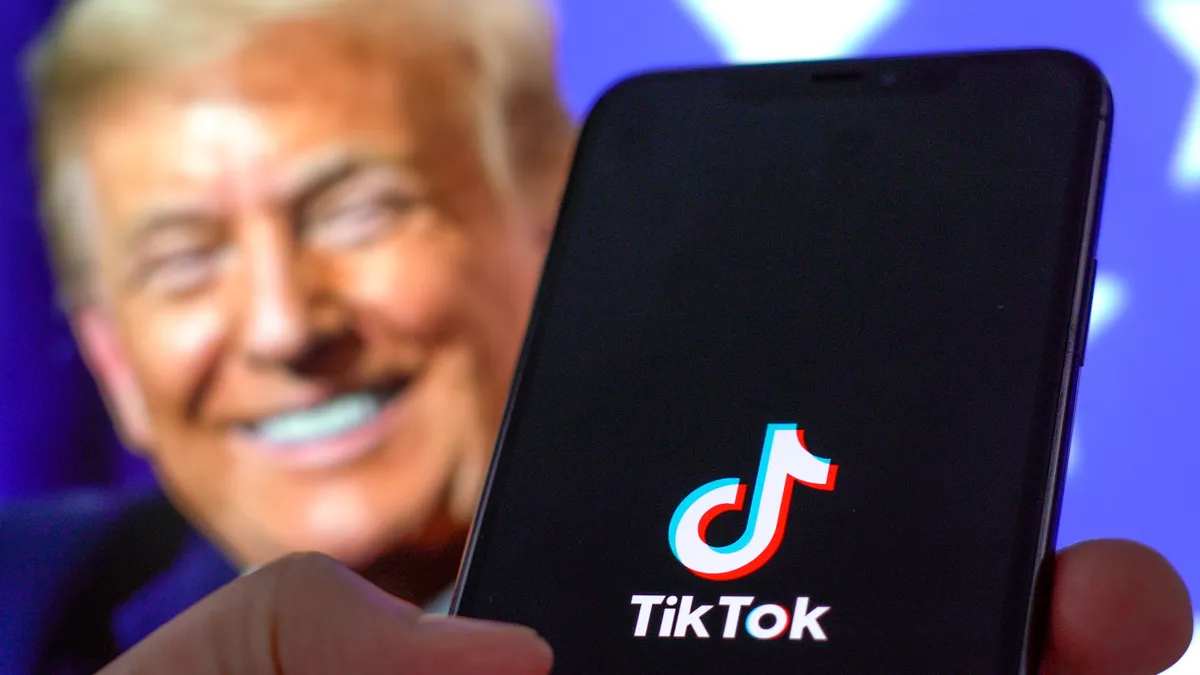
Donald Trump announced that Chinese President Xi Jinping has approved a deal to keep TikTok alive in the United States. Standing before supporters, he cast it as proof of his ability to strike agreements with America’s biggest rival. For a candidate eager to highlight his deal-making credentials, the timing could not be better. But once the applause fades, what remains is not a completed transaction, but an outline full of unresolved details.

A Familiar Trump Pattern
Trump has a history of rolling out headline-grabbing “deals” before they’re finalized. His trade negotiations with China, talks with North Korea, and even corporate bailouts often began with sweeping declarations, only to get bogged down in the fine print. The TikTok announcement fits that mold. He claimed Xi personally signed off, but so far, what exists is closer to a framework than a finished contract.
That matters because the stakes are high. TikTok, with over 170 million U.S. users, sits at the heart of America’s social media culture. At the same time, it has become a symbol of the geopolitical standoff between Washington and Beijing over technology, data, and influence.
What the Agreement Entails
Trump says the deal will spin off a U.S.-based TikTok under new ownership, effectively neutralizing the ban signed by President Biden earlier this year. American investors are expected to take a controlling stake, creating what would amount to a U.S. clone of the global platform.

The most unusual piece of the puzzle is Trump’s claim that investors will pay the U.S. government a multibillion-dollar “fee” simply for negotiating the deal with China. Trump described it as “tremendous” — a first-of-its-kind windfall for taxpayers.
But experts are skeptical. Traditionally, foreign investment reviews run through CFIUS, which has never imposed such fees. Critics say the idea blurs the line between public policy and private deal-making, raising legal and ethical questions.
Xi Jinping’s Balancing Act
For Xi, reportedly giving his blessing to the outline of the deal is a fraught choice. TikTok is one of China’s few global consumer tech successes, and allowing partial U.S. control risks being seen as capitulation at home. On the other hand, refusing to compromise could mean losing access to the lucrative American market altogether.
The most sensitive issue is TikTok’s algorithm — the secretive recommendation engine that fuels its addictive feed. Beijing has classified the technology as a protected export. If the U.S. version of TikTok launches without it, the app could lose its edge, undermining the very rationale for the deal.
“Agreement to Agree”
Observers note that Trump and Xi’s pronouncements amount to an “agreement to agree.” Both leaders can claim progress, but the core details remain unsettled:
- Ownership stakes: Which U.S. investors will control the new TikTok.
- Governance: Who will oversee data handling and content moderation.
- Algorithm rights: Whether the recommendation system can legally be transferred.
- Legal basis for the fee: How Washington could collect billions from investors.
Each of these points is contentious, and failure to resolve them could derail the entire arrangement.
The Investor Fee Question
Sources close to the talks say investors backing TikTok’s U.S. version would foot the bill for Trump’s proposed fee. For supporters, that’s evidence of Trump’s leverage — forcing private capital to pay into government coffers in exchange for regulatory approval.
Yet the move has no precedent in U.S. law. Some analysts warn it could set a dangerous standard: future presidents demanding payments from companies as the price of political clearance. For an app that has already drawn fire for security and privacy issues, adding financial irregularities risks deepening public mistrust.
Political Undercurrents
The TikTok deal doubles as a campaign narrative. Trump presents himself as the only leader capable of wringing concessions from Beijing, contrasting his approach with Biden’s more cautious posture. In this framing, the deal is less about TikTok itself than about proving toughness on China.
For Biden, the dilemma is whether to defend his earlier ban or accept that Trump’s intervention has changed the playing field. Either path risks political backlash: seeming weak on China or appearing to cave to Trump’s theatrics.
What Happens Next
For now, TikTok’s future in the U.S. remains uncertain. Investors must finalize terms, regulators must vet the structure, and China must decide how much of TikTok’s technology can be shared without undermining its own interests.
Even if a U.S. TikTok goes live, questions will linger. Will it have the same algorithm? Will American users trust it after years of political controversy? And will China quietly push back if it feels it conceded too much?
The answers will determine whether Trump’s announcement was a breakthrough or just another bold headline awaiting reality’s test.
Go to TECHTRENDSKE.co.ke for more tech and business news from the African continent.
Mark your calendars! The TechTrends Pulse is back in Nairobi this October. Join innovators, business leaders, policymakers & tech partners for a half-day forum as we explore how AI is transforming industries, driving digital inclusion, and shaping the future of work in Kenya. Limited slots – Register now – here.
Follow us on WhatsApp, Telegram, Twitter, and Facebook, or subscribe to our weekly newsletter to ensure you don’t miss out on any future updates. Send tips to editorial@techtrendsmedia.co.ke
TechTrends Media Podcasts

