Why Millions of Kenyans Are Defaulting on Tiny Digital Loans and What Lenders Are Doing About It
Tiny digital loans are leaving both borrowers and lenders in a high-stakes game they never signed up for


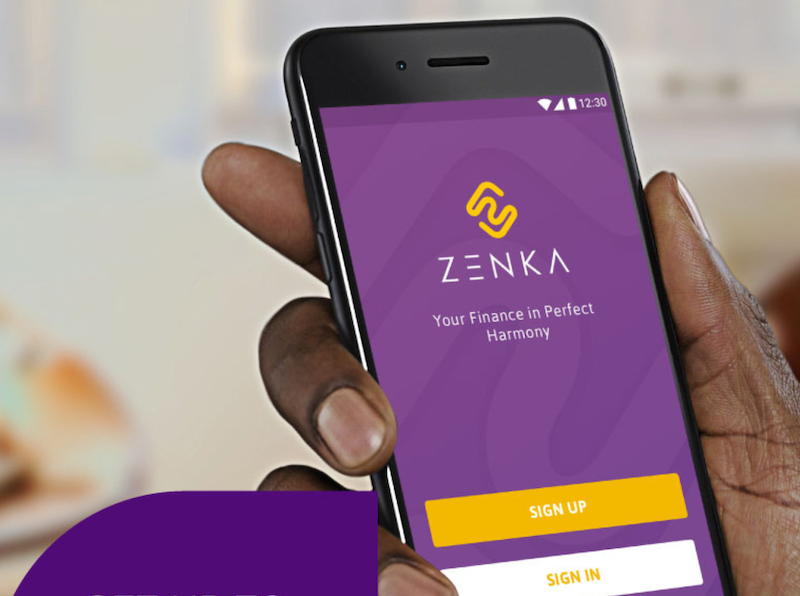
Kenya’s digital lending boom has opened doors for millions, but the smallest loans are proving the hardest to recover. Central Bank of Kenya (CBK) data shows that 83 percent of digital loans below Sh1,000 go unpaid. For many lenders, these microloans—intended to fill urgent financial gaps—have become a costly gamble.

The story is not just numbers. Borrowers of slightly larger loans, between Sh1,000 and Sh5,000, default at lower rates, around 69 percent. And for those taking loans above Sh50,000, the non-performing loan ratio drops sharply to 16 percent. The trend highlights a simple reality: when the stakes—and the incentives—are higher, repayment improves.
One factor is regulatory. CBK rules prevent lenders from listing defaulters of loans below Sh1,000 with credit reference bureaus. While intended to protect low-income borrowers, the rule may have inadvertently encouraged small-loan defaults. Some lenders have responded by raising their minimum loan sizes just above the threshold, hoping that the possibility of a CRB listing will nudge borrowers to repay.
Digital lenders, many backed by international investors, operate on the promise of speed and accessibility. With mobile phones as the conduit, loans ranging from Sh500 to Sh50,000 are approved in minutes. Using machine learning to assess repayment capacity, apps scan mobile money transactions, contacts, and even social media activity. For a borrower, the appeal is immediate: no collateral, no guarantors, cash in hand within hours.


Yet, the system is not without controversy. Critics argue that while digital lending has extended financial inclusion to millions—especially in a country where only 40 percent have bank accounts—it has also exposed the most vulnerable to high costs, aggressive recovery tactics, and potential data abuse. Some borrowers, blacklisted elsewhere, exploit the digital loopholes to access quick cash, compounding default risks for lenders.
CBK’s regulation of digital lending, launched in December 2021, sought to balance inclusion with accountability. Today, 153 digital credit providers are licensed, though more than 500 remain on a waiting list, illustrating the sustained interest in this fast-growing sector. Despite the challenges, the average non-performing loan ratio for digital lenders remains slightly below that of traditional banks, a reflection of both the volume and speed of their lending model.
Economists caution, however, that microloans under Sh1,000 may not meaningfully improve household or business earnings. “Small-ticket loans meet emergency needs but rarely create income that enables repayment,” notes a CBK report. For lenders, the task now is refining credit risk assessment, not just automating disbursements.
Digital loans have reshaped Kenya’s financial landscape. They provide a lifeline for urgent needs, fuel small-business capital, and bring millions into the formal credit system. But the high default rates on the tiniest loans are a reminder that accessibility alone does not guarantee financial stability—repayment incentives, borrower education, and ethical lending practices are equally critical.
What You Really Need to Know About Microloan Defaults in Kenya
- Why are small digital loans failing at such high rates? Loans under Sh1,000 can’t be reported to credit bureaus, removing a major repayment incentive. Borrowers often prioritize these tiny loans lower than larger ones.
- Do digital lenders still make money despite defaults? Yes. Most digital lenders target slightly larger loans, where repayment rates improve, and scale through volume. The tiny loans are more of a loss leader.
- How does CBK regulation affect borrowers and lenders? CBK rules limit predatory practices and protect borrowers from excessive penalties. But they also prevent reporting defaults on very small loans, which changes repayment behavior.
- Are digital loans really helping financial inclusion? Absolutely. Millions now access credit without collateral, especially in rural areas. However, ethical practices and fair pricing remain essential to long-term benefits.
- Can borrowers improve their credit eligibility through these apps? Yes. Timely repayment increases loan bands and access to higher amounts. Digital lenders reward good behavior with faster approvals and higher limits.
Mark your calendars! The TechTrends Pulse is back in Nairobi this October. Join innovators, business leaders, policymakers & tech partners for a half-day forum as we explore how AI is transforming industries, driving digital inclusion, and shaping the future of work in Kenya. Limited slots – Register now – here.
Follow us on WhatsApp, Telegram, Twitter, and Facebook, or subscribe to our weekly newsletter to ensure you don’t miss out on any future updates. Send tips to editorial@techtrendsmedia.co.ke
TechTrends Media Podcasts

