Digital Lending in Africa Faces a Turning Point: Kenya’s Licensing Growth vs Nigeria’s Enforcement Blitz
As mobile lending grows across Africa, Kenya and Nigeria are taking dramatically different approaches to protect borrowers and regulate the flow of digital credit.



Digital lending has exploded across Africa, offering instant credit through mobile phones to households, students, and small businesses.

But the speed of its rise has been matched by concerns over abusive debt collection, soaring interest rates, and misuse of personal data. In 2025, Kenya and Nigeria moved to rein in the industry—pursuing the same problem with two very different regulatory playbooks.
Kenya: A Steady Licensing Regime
The Central Bank of Kenya (CBK) has opted for a measured strategy. Since 2022, it has licensed 153 Digital Credit Providers (DCPs) out of more than 700 applicants. Approval hinges on strict checks of governance, ownership, and consumer protection standards.
By mid-2025, licensed firms had already disbursed 5.5 million loans worth KSh 76.8 billion (about US$594 million). Products range from short-term personal loans to school fee financing and SME credit, mostly delivered via apps and USSD platforms.
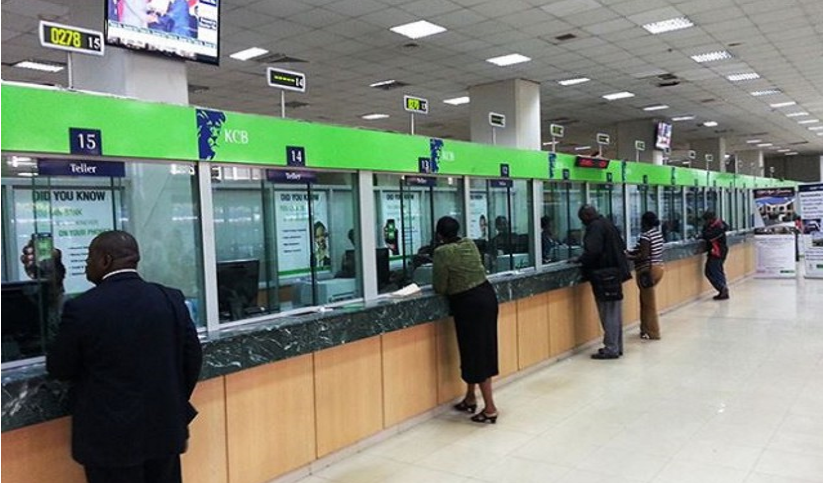

The CBK’s rules are designed to cut out predatory behavior: excessive interest, opaque terms, and harassment of borrowers. Regulators have worked with the Office of the Data Protection Commissioner to make sure personal information is safeguarded. The process is slow, but Nairobi argues that steady vetting builds credibility and trust in the market.
Nigeria: A Heavy-Handed Framework
Nigeria chose a far tougher stance. The Digital, Electronic, Online, or Non-Traditional Consumer Lending (DEON) Regulations, enacted in July 2025, set strict obligations for every digital lender.
The Federal Competition and Consumer Protection Commission (FCCPC) requires all operators to register within 90 days, including loan apps, mobile operators, and fintech firms. The rules ban automatic pre-approved loans, mandate clear disclosure of loan terms, and outlaw harassment in debt recovery. Partnerships must also be jointly registered, with at least one locally owned provider included in airtime and data lending.
Sanctions are severe: fines of ₦100 million or 1% of turnover, plus the risk of directors being banned from office for up to five years. For lenders used to a largely unregulated environment, the penalties are intended to shock the sector into compliance.
Kenya vs. Nigeria: Side-by-Side Comparison
| Aspect | Kenya (CBK Licensing) | Nigeria (DEON Regulations) |
|---|---|---|
| Regulatory Approach | Progressive licensing of Digital Credit Providers (DCPs) since 2022. | Mandatory registration of all lenders under FCCPC, effective July 2025. |
| Current Numbers | 153 licensed providers as of September 2025. | Exact number not yet published; all operators must register within 90 days. |
| Consumer Protection | Oversight on ownership, governance, transparency, and borrower safeguards. | Prohibits unethical marketing, harassment, and pre-authorised loans. |
| Data Protection | Licensing process includes review by the Data Protection Commissioner. | Explicit data compliance rules, with penalties for breaches. |
| Sanctions | Unlicensed operators reported, but no explicit monetary penalties publicised. | ₦100m fine or 1% of turnover, plus possible five-year director disqualification. |
| Timeline & Urgency | Ongoing licensing expansion since 2022. | Immediate compliance required from July 2025. |
| Market Stability Goal | Balance innovation with consumer safety through controlled growth. | Enforce discipline rapidly to eliminate exploitative practices. |
Two Routes to the Same Goal
Kenya’s framework emphasizes gradual oversight and steady licensing, hoping to balance growth with discipline. Nigeria’s DEON rules, in contrast, rely on rapid enforcement and sharp penalties to correct industry excesses.
The contrast highlights a broader policy question: should regulators nurture the market with step-by-step oversight, or impose strict rules to force immediate change? For borrowers, both approaches are meant to ensure the same outcome—credit that is transparent, affordable, and free from exploitation.
Go to TECHTRENDSKE.co.ke for more tech and business news from the African continent.
Mark your calendars! The TechTrends Pulse is back in Nairobi this October. Join innovators, business leaders, policymakers & tech partners for a half-day forum as we explore how AI is transforming industries, driving digital inclusion, and shaping the future of work in Kenya. Limited slots – Register now – here.
Follow us on WhatsApp, Telegram, Twitter, and Facebook, or subscribe to our weekly newsletter to ensure you don’t miss out on any future updates. Send tips to editorial@techtrendsmedia.co.ke
TechTrends Media Podcasts

