
Internet Disruptions During Protests Confirmed by Cheruiyot, Leaked WhatsApp Chats Show MPs Bending to Ruto
Senator Aaron Cheruiyot confirms that protest internet services were deliberately slowed as leaked WhatsApp chats reveal the hidden coordination of MPs following the president’s instructions

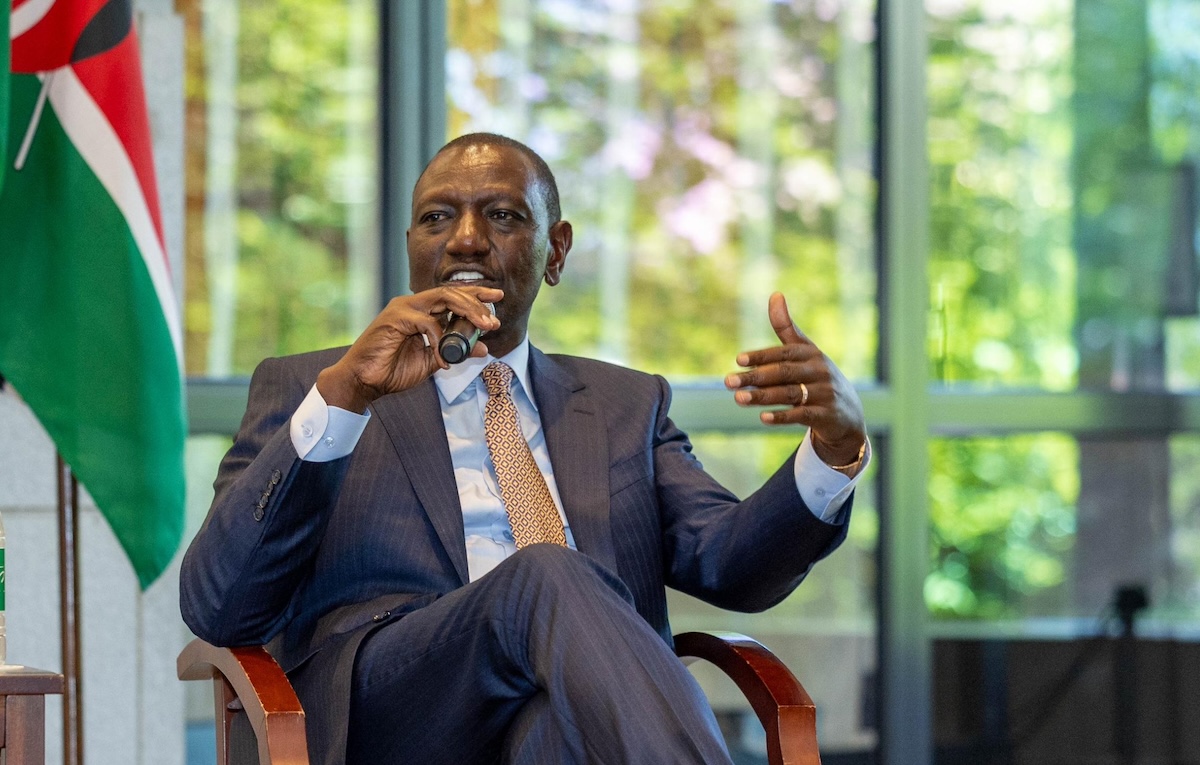
In Kenya, recent protests have exposed a striking truth: control over the internet is becoming a tool of politics. During demonstrations, Safaricom and Airtel users reported slowdowns, while Starlink satellite internet kept running smoothly.

Senator Aaron Cheruiyot confirmed the disruptions, sparking public concern about whether such measures were meant to stifle dissent.
WhatsApp Chats Show the Politics Behind the Scenes
The internet disruptions don’t exist in a vacuum. Leaked WhatsApp chats, published by The Standard, show MPs, senators, and governors in a group called “The Project 22” closely coordinating with President William Ruto’s agenda. Messages like “Count it done” and “Your voice is the voice of God” suggest an unusual level of loyalty—or pressure—among lawmakers.
The fallout from Deputy President Rigathi Gachagua’s impeachment in October 2024 provides context. Gachagua reportedly demanded Ksh 8 billion to resign and was removed from the president’s WhatsApp schedule group—a move he described as “mischievous.” Meanwhile, MP Osoro and others congratulated colleagues for the impeachment, and President Ruto forwarded Senator Kindiki’s name to MPs for the deputy presidency. It paints a picture of power carefully orchestrated behind closed digital doors.


Slowing the Internet: A Political Tool?
For protesters, reliable internet isn’t just convenient—it’s essential. Social media organizes movements, shares live updates, and amplifies voices. When Safaricom and Airtel slowed down services, it disrupted these channels. Starlink’s uninterrupted service, however, shows how satellite networks can bypass terrestrial constraints.
Whether intentional or not, the effect was clear: controlling digital communication becomes a way to shape events on the ground. And in Kenya’s charged political climate, that control carries real consequences.
Why This Matters for Democracy
Access to the internet is no longer just a utility; it’s a democratic lifeline. Limiting connectivity during protests raises questions about fairness, freedom, and transparency. The leaked chats show that political decisions and digital control are intertwined—one reinforcing the other. When lawmakers appear to follow the executive’s lead too closely, citizens lose a layer of independent representation.
Looking Ahead
Kenya faces a critical moment. The combination of political coordination and internet throttling underscores the need for safeguards—both for democratic institutions and for citizens’ digital rights. Satellite internet, like Starlink, provides a glimpse of how technology can resist control, but broader structural protections are essential.
As these events unfold, one question remains: will Kenya protect its democratic processes and digital freedoms, or will power continue to operate behind the curtain, out of public view?
Go to TECHTRENDSKE.co.ke for more tech and business news from the African continent.
Follow us on WhatsApp, Telegram, Twitter, and Facebook, or subscribe to our weekly newsletter to ensure you don’t miss out on any future updates. Send tips to editorial@techtrendsmedia.co.ke
TechTrends Media Podcasts

