
Why YouTube Still Anchors the Creator Economy Despite Big-Money Deals
The illusion of a creator exodus that never fully materializes

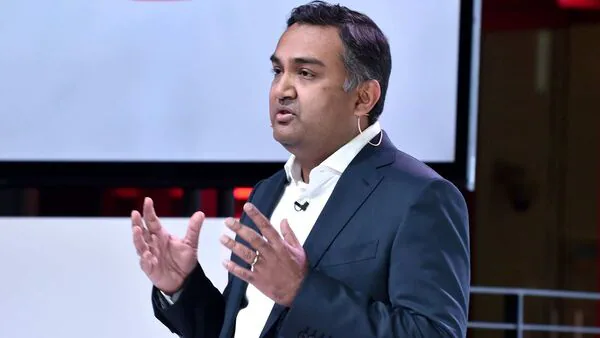
In the volatile landscape of digital media, a new power dynamic has solidified. YouTube CEO Neal Mohan has articulated a vision of the platform not merely as a video host, but as an inescapable foundation for modern celebrity. This approach, which we can define as YouTube’s Home Base strategy, suggests that while creators may flirt with external streamers for massive payouts, they remain fundamentally tethered to YouTube for their long-term survival.

Mohan’s recent commentary reflects a noticeable confidence, bordering on defiance, regarding the platform’s ability to retain its most valuable assets despite aggressive poaching attempts from Netflix, Meta, and Apple.
The Illusion of the Great Migration
The media industry frequently reports on high-profile creators signing “exclusive” deals with traditional streaming giants. However, Mohan frames these moves as supplementary rather than substitutive. When MrBeast partners with Amazon for “Beast Games,” it is often interpreted as a shift in allegiance. Under the lens of YouTube’s Home Base strategy, these deals are viewed as high-priced excursions.
The creator ecosystem is built on a specific type of daily, interactive engagement that platforms like Netflix cannot replicate. A creator can take a 100 million dollar check from a streamer, but if they stop posting to YouTube, their cultural relevance begins a rapid decay. The “home” Mohan describes is the only place where the feedback loop between creator and audience is instantaneous and permanent.


Flipping the Script on “Desperate” Competitors
Perhaps the most striking element of Mohan’s current rhetoric is the “desperation” narrative he applies to competitors. For decades, the goal of any independent creator was to be “discovered” by a network or a studio. Mohan asserts that this power dynamic has completely inverted.
In this new reality, it is the legacy networks and rival tech platforms that are desperate to tap into the audiences built on YouTube. Meta and Apple are no longer the gatekeepers of cool; they are hunters seeking to harvest the attention that YouTube has already aggregated. By framing these competitors as outsiders looking in, Mohan reinforces the idea that leaving YouTube is not a promotion—it is an exile.

The Ecosystem Lock-in and Technical Gravity
The stickiness of YouTube is not just emotional or cultural; it is structural. The platform provides a suite of tools—from Shorts and Long-form to Live and Subscriptions—that create a total environment for a creator’s business.
- The Archive Effect: A creator’s entire history lives on YouTube, generating passive revenue through the search engine.
- The Discovery Engine: Unlike Netflix, which relies on a curated homepage, YouTube’s recommendation engine constantly resurfaces old content to new viewers.
- Monetization Diversity: Between ad-share, memberships, and integrated shopping, the financial “lock-in” makes the risk of a total platform switch economically unfeasible for most.
Why the “Second Outlet” Model Prevails
The result of this strategy is a tiering of the internet. YouTube sits at the top as the primary identity of the creator. Every other platform—whether it is a prestige documentary on HBO or a viral clip on TikTok—is treated as a “secondary outlet.”
This hierarchy ensures that even when creators “leave,” they never truly go away. They use these external projects to drive traffic back to their YouTube channel, effectively using the “competitor’s” marketing budget to grow their YouTube subscriber count. Mohan’s confidence stems from the realization that as long as YouTube remains the center of gravity for search and discovery, every other platform is essentially working for him.
The Cultural Monopoly of 2 Percent
If humanity is truly spending 2% of its waking hours on a single platform, that platform ceases to be a tool and becomes an environment. The Home Base strategy is the recognition that you cannot “quit” the environment you live in. While the 2026 legal challenges regarding teen mental health present a significant hurdle, the business model itself remains insulated by the sheer scale of creator dependency. For Neal Mohan, the battle for the living room was won because he convinced the world’s most influential people that any other house is just a hotel.
Mark your calendars! The GreenShift Sustainability Forum is back in Nairobi this August. Join innovators, policymakers & sustainability leaders for a breakfast forum as we explore sustainable solutions shaping the continent’s future. Limited slots – Get your early bird tickets now – here. Email info@techtrendsmedia.co.ke for partnership requests.
Go to TECHTRENDSKE.co.ke for more tech and business news from the African continent and across the world.
Follow us on WhatsApp, Telegram, Twitter, and Facebook, or subscribe to our weekly newsletter to ensure you don’t miss out on any future updates. Send tips to editorial@techtrendsmedia.co.ke


