
Showmax Enters Final Weeks Ahead of March Shutdown
With Showmax set to end by March 31, the bigger story sits in what replaces it and how people adjust

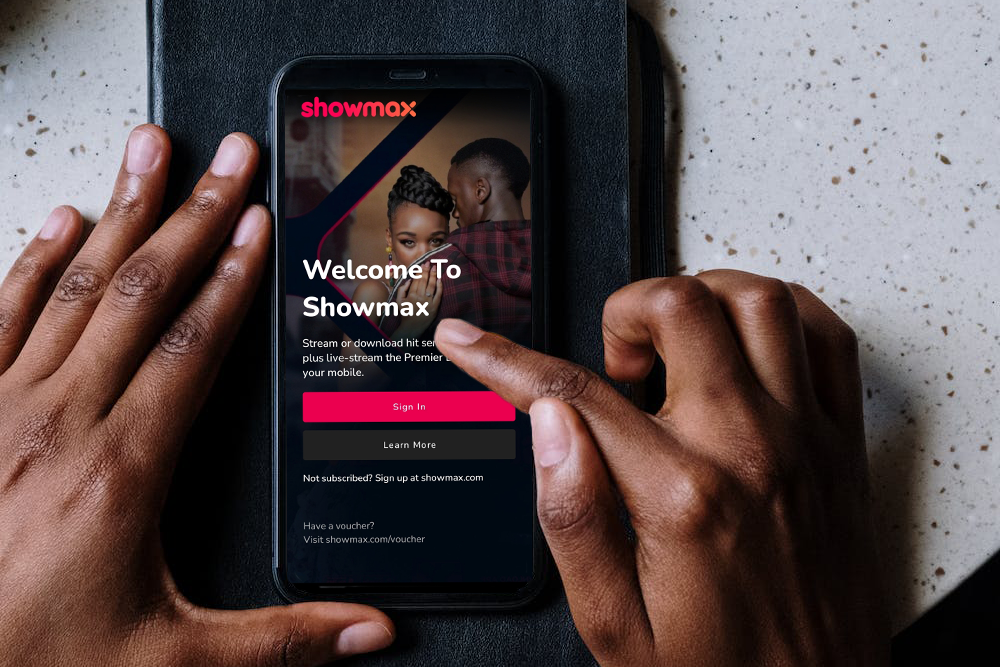
There is something unusual about how Showmax is ending. Subscriptions close on 31 March 2026. Renewals stop on 1 April 2026. Access continues until the end of April 2026, or until a user’s billing cycle runs out.

No abrupt cutoff. No forced migration screen. Just a set of dates and a suggestion to keep watching.
The platform is undergoing a process of gradual fading.
That tone is deliberate. A hard break risks user resistance. A soft landing lowers the temperature. Yet the absence of friction also masks what is being asked of viewers. They are not just losing an app. They are being moved into a different way of watching, one that blends streaming into a broader pay television environment.

For a service that spent years positioning itself as an alternative to traditional TV, the final act folds it back into that structure.
Streaming Identity Gives Way to Platform Logic
At its peak, Showmax had a clear identity. Open the app, pick a series, continue where you left off. The interface reinforced a single behaviour. Watch on demand, on your own schedule, without the clutter of channels or programming grids.

That clarity does not carry over intact into DStv Stream.
DStv Stream was not built as a pure streaming environment. It is an extension of satellite television, designed to mirror a bundle that already exists elsewhere. Live channels sit alongside on-demand content. Sport, news, and series compete for attention inside the same interface.
For some users, that mix feels expansive. For others, it introduces friction. The mental model changes. Instead of entering a space built around choice and continuity, the viewer navigates a layered system that reflects programming priorities as much as personal preference.
That difference matters more than it first appears. Platforms train behaviour. Once habits settle, they are hard to undo.
The Middle-Class Streaming Bet Meets Its Limits
Showmax was never trying to reach everyone. Its core audience sat in urban centres, among viewers with enough connectivity and disposable income to sustain a subscription. That segment has grown, but not at the pace early projections assumed.
The friction points are familiar. Data costs remain uneven. Home broadband still clusters around specific neighbourhoods. Inflation has tightened discretionary spending over the past few years, forcing households to make sharper choices about what stays and what goes.
In that environment, a standalone streaming subscription competes not just with global platforms, but with everyday expenses.
Bundling offers a workaround. Fold streaming into a larger package, and the cost becomes less visible. The trade-off is subtle. Users gain access to more content, but lose some control over how that content is organised and priced.
The decision to move Showmax content into DStv Stream leans into that logic. It assumes the bundle can carry what the standalone product could not.
A Catalogue Moves, But Context Changes
Content does not disappear in this transition. Showmax Originals continue to exist within the new environment. The question is how they are discovered and consumed.
On a dedicated platform, Originals function as anchors. They define the service. They draw users back. Inside a larger catalogue, their role becomes less certain. They sit alongside international imports, live broadcasts, and a rotating mix of programming that follows a different cadence.
Discovery becomes less predictable. A series that once dominated the home screen now competes with live sport or breaking news. The logic of prominence changes.
This does not diminish the value of local productions. It alters the conditions under which they are found.
The Viewer Becomes a Different Kind of Subscriber
There is also a shift in how users relate to the service itself.
A streaming subscriber typically manages a direct relationship with a single platform. Payment, viewing history, and recommendations all sit within that space. The interaction is narrow, but defined.
DStv Stream operates differently. It ties into a broader subscription ecosystem. For many users, it becomes one layer within a larger account that includes satellite services, bundled channels, and cross-device access.
That structure changes expectations. Customer decisions move from individual shows to package value. The question is no longer just what to watch, but whether the overall subscription justifies its cost.
This is where the transition becomes less about content and more about positioning.
What Gets Lost in a Clean Transition
The current messaging avoids disruption. It keeps users watching, avoids confusion, and buys time for the new system to settle.
What it does not address directly is what disappears along the way.
A standalone streaming platform carries a certain independence. It experiments with format, pacing, and audience targeting in ways that bundled systems often resist. It can take risks on niche content because it answers to a narrower set of expectations.
Fold that into a broader platform, and priorities tend to align with the larger business. Content must justify its place within a wider catalogue. Niche becomes conditional.
This does not mean local storytelling vanishes. It means the threshold for what gets made, promoted, and sustained may change.
The Habit Question That Comes After the Migration
The immediate transition will likely pass without much noise. Users will watch until access expires, then decide whether to follow the content into its new home.
The longer question sits beyond that moment.
Do viewers adapt to the bundled experience, or do they drift toward platforms that preserve the simplicity they are used to? Do local productions retain their visibility inside a broader catalogue, or do they fade into the background?
There is also the possibility that some users simply step away. Subscription fatigue is not theoretical. It shows up in small decisions, one service at a time.
The end of Showmax does not force a single outcome. It opens a set of smaller choices that will play out over months.
A Platform Closes, but the Real Test Begins
What looks like a tidy transition on the surface carries a more complicated undercurrent.
A service exits without disruption. A larger platform absorbs its content. Viewers are asked to continue watching, just somewhere else.
The real adjustment happens after that. It sits in habits, in expectations, in how people decide what is worth paying for and what is not.
That process rarely announces itself. It unfolds in the background, one viewing session at a time.
Go to TECHTRENDSKE.co.ke for more tech and business news from the African continent and across the world.
Follow us on WhatsApp, Telegram, Twitter, and Facebook, or subscribe to our weekly newsletter to ensure you don’t miss out on any future updates. Send tips to editorial@techtrendsmedia.co.ke


