
Africa’s Creator Economy Is Growing Up Inside Hubs, Studios and Incubators
Beneath the swirl of viral clips and trending audio, a slower and more deliberate effort is underway to give African creators the tools, networks and business footing that digital fame alone could never provide.

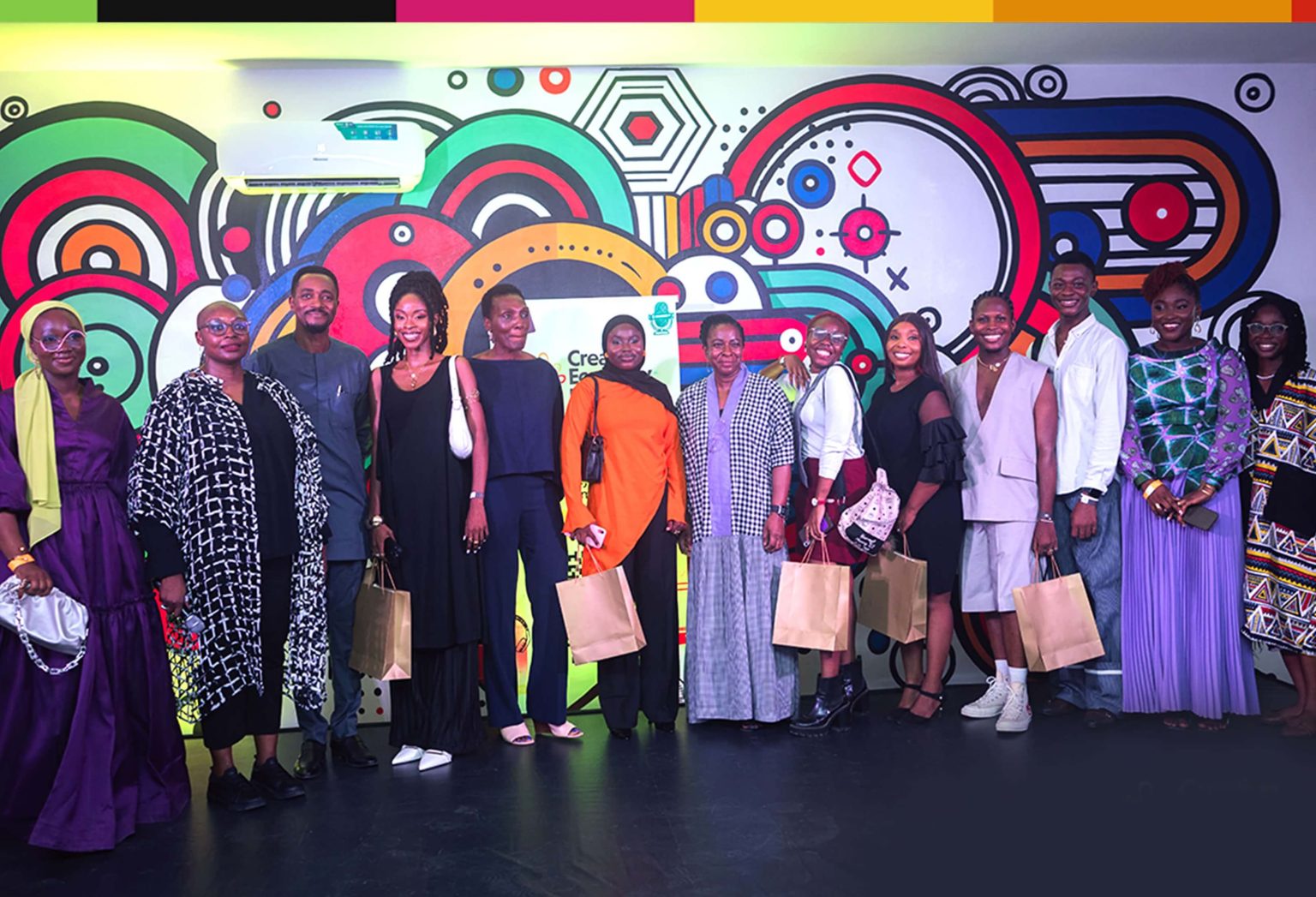
Scroll through African social media and the surface story still looks familiar. Viral clips, influencer partnerships, short bursts of fame. A comedian hits 1 million views on a sketch filmed in a bedroom. A lifestyle creator lands a brand deal after months of posting fashion reels.

That version of the creator economy still exists. But underneath it, something more organized is beginning to form.
Across Nigeria and Kenya, media hubs, creator incubators, production studios, and training pipelines are appearing with increasing frequency. They are not designed for viral moments. Their goal is something more prosaic and harder to notice at first glance. They try to turn creative output into repeatable businesses.
The numbers hint at the scale of the effort. Programs operating within media hubs connected to the CcHUB ecosystem have supported 120 participants through 4 creator incubator cohorts while generating more than 20,000 hours of studio production time. Content produced within that infrastructure has reached audiences exceeding 180,000,000 viewers across digital platforms.


Viewed in isolation those figures look like program metrics. Put together, they point toward a structural development in African digital culture. The continent’s creator economy is starting to assemble the same scaffolding that technology startups built over the last 15 years.
The talent was never missing. The institutions were.
The Missing Infrastructure Behind African Creativity
Anyone who has spent time around African creative communities hears a familiar complaint. Talent circulates everywhere. Stability does not.
A musician records a viral song then disappears because distribution systems remain fragile. A filmmaker finishes a short film and struggles to find funding for the next one. A digital storyteller builds an audience yet lacks the business knowledge to convert attention into steady revenue.
Creative work often survives through improvisation. People patch together gigs, collaborations, and short-term partnerships. Careers rise quickly and collapse just as fast.
Programs emerging inside Africa’s growing network of innovation hubs attempt to tackle that problem directly. The focus is less about finding creators than about building the structures around them.
In 2025 alone, creative economy initiatives within the CcHUB ecosystem supported 640 women launching or expanding creative ventures. Across those programs, creators moved through 16 structured cohorts spanning film, fashion, music, design, media, and the arts. Training sessions reached 215 workshops with more than 1,100 hours of instruction.
Those figures may sound bureaucratic. They matter because they point to a different logic for creative work. Instead of informal networks and sporadic opportunities, creators encounter something resembling an organized professional pathway.
That pathway looks surprisingly similar to the one used in the technology startup world. Training first. Incubation next. Mentorship layered on top. Access to production resources. Then exposure to buyers, distributors, or brand partners.
In other words, infrastructure
The Studio Door Opens
One detail in the report says a great deal about how the creator landscape is changing. The Entertainment and Media Hubs program generated more than 20,000 hours of production time for creators using shared studio facilities.
Production space has always been a bottleneck in African media industries. Cameras cost money. Editing suites cost more. Professional sound equipment rarely sits in spare bedrooms.
The consequence is familiar. Creators build audiences while working with minimal tools. When their content begins to scale, they struggle to match the technical expectations of larger audiences or global platforms.
Shared studio infrastructure alters that dynamic. It gives creators access to equipment, collaborative environments, and technical expertise that normally sits behind large budgets.
The effect shows up quickly in the type of content being produced. Podcasts become more ambitious. Documentary projects begin to appear. Scripted web series move from experimentation to sustained production.
One Nigerian creator in the program, spoken word artist Elizabeth Umoru, expanded from poetry videos into personal storytelling formats that drew monthly viewership of roughly 100,000 after gaining access to the hub’s resources.
It is a small example. Yet it illustrates how infrastructure changes creative output.
The difference between a hobby and a profession often begins with a room full of equipment and people who know how to use it.
Creators as a Workforce
The creator economy often gets framed as a cultural phenomenon. Entertainment. Internet culture. Youth trends.
Look closer and it starts to resemble something else entirely. A new form of digital labor.
Millions of young Africans already treat social platforms as their primary production environment. Cameras double as workplaces. Editing software becomes a daily tool. Audience analytics start to influence decisions the way sales figures influence traditional businesses.
The audience side is enormous. Africa’s median age sits around 19. Internet access continues to expand through mobile networks. Social platforms act as entry points into news, entertainment, education, and commerce.
In that context creators function as intermediaries between digital platforms and large youth audiences. They interpret culture, circulate ideas, and increasingly shape consumer behavior.
Institutions have started to notice.
International development organizations, venture funds, and technology companies now treat the creator economy as a legitimate economic sector rather than an informal digital side hustle.
The investment logic follows a familiar path. Large audiences exist. Digital distribution costs are low. Cultural production travels easily across borders.
Add infrastructure and the sector begins to look investable.
Cross Platform Culture
African creators rarely stay inside a single platform. A comedy sketch filmed for TikTok becomes a longer YouTube episode. A podcast clip spreads across Instagram. A spoken word performance circulates through multiple social feeds before landing on streaming platforms.
Media hubs training creators today assume this environment from the start.
Scriptwriting clinics prepare participants to build narratives that can expand across formats. Production workshops focus on video storytelling, audio production, and social media editing techniques simultaneously.
The approach reflects the way audiences actually behave online. People encounter stories in fragments. A clip here. A longer video later. Perhaps a podcast episode days afterward.
For creators, mastering that fragmented ecosystem becomes a professional skill. It also introduces new complications.
Attention moves quickly across platforms. Algorithms change with little warning. Monetization policies can alter entire revenue models overnight.
Infrastructure can help with production and training. It cannot stabilize the unpredictable economics of digital platforms.
That tension sits at the center of the creator economy’s future.
When Creativity Meets Business Discipline
One recurring theme across creative programs in Africa involves business education. Creators often enter incubators with strong artistic instincts and very little exposure to financial management.
That gap appears clearly in the fashion sector.
Nigerian designer Joy Obuya built her brand Nawiri around inclusive sizing before entering the Fashionomics Africa Accelerator. After working through the program’s financial training, she discovered her pricing model had been undervaluing her products. Adjustments pushed projected revenue from about $12,000 in the brand’s first year toward more than $140,000 by 2025.
The lesson is mundane yet crucial. Creative talent rarely collapses because of artistic failure. It collapses because business systems never form around it.
Accelerators now treat financial literacy, legal structures, and operational management as core elements of creative training. That approach may feel unromantic. It also determines whether a creative career lasts longer than a viral moment.
The Institutional Layer
Africa’s technology ecosystem matured once a network of accelerators, venture funds, and startup hubs formed across major cities. A founder no longer built a company in isolation.
The creator economy is beginning to construct a comparable layer.
Innovation hubs in Lagos, Nairobi, Kigali, and other cities now host programs specifically designed for creators rather than technology startups. Studios sit beside coworking spaces. Mentors move between digital media projects and technology ventures.
The result is a hybrid environment where creative work intersects with entrepreneurship.
A filmmaker might meet a startup founder working on distribution software. A podcaster could collaborate with a data analyst studying audience engagement. Those interactions happen because creators and technologists share the same spaces.
Institutional proximity rarely produces instant success stories. It does something slower and more valuable. It normalizes the idea that creative work deserves structured support systems.
The Next Stage of the Creator Economy
The creator economy’s next chapter will probably hinge on two competing forces.
One pulls toward professionalization. Studios, training programs, incubators, and financing channels create conditions where creators build stable companies. That path leads toward production houses, independent media networks, and creative agencies operating across the continent.
The other force pulls in the opposite direction. Social media platforms reward constant novelty and algorithmic visibility. Viral attention can appear overnight and disappear just as quickly. Creators remain exposed to technological systems they do not control.
African creator ecosystems will likely grow within that tension.
Infrastructure will keep expanding because audiences keep expanding. Youth culture, online entertainment, and digital storytelling already move through these platforms at enormous scale.
Yet the real test will arrive later. Can creators move from platform dependence toward ownership of intellectual property, production networks, and distribution channels?
That outcome remains unresolved.
For now, a more basic transformation is underway. The creator economy across parts of Africa is no longer defined only by individual personalities and viral clips.
Rooms full of cameras, editors, mentors, contracts, and spreadsheets are beginning to shape the work.

