

Kenya has officially launched the National Electric Mobility (E-Mobility) Policy, a comprehensive roadmap designed to transition the country’s transport sector away from fossil fuels and toward a sustainable, electric future.

The landmark policy launched on Tuesday marks a major milestone in Kenya’s transition towards clean, sustainable, and innovative transport solutions. It provides a clear framework to guide the adoption of electric mobility, promote local innovation, reduce carbon emissions, and enhance energy efficiency across the transport sector.
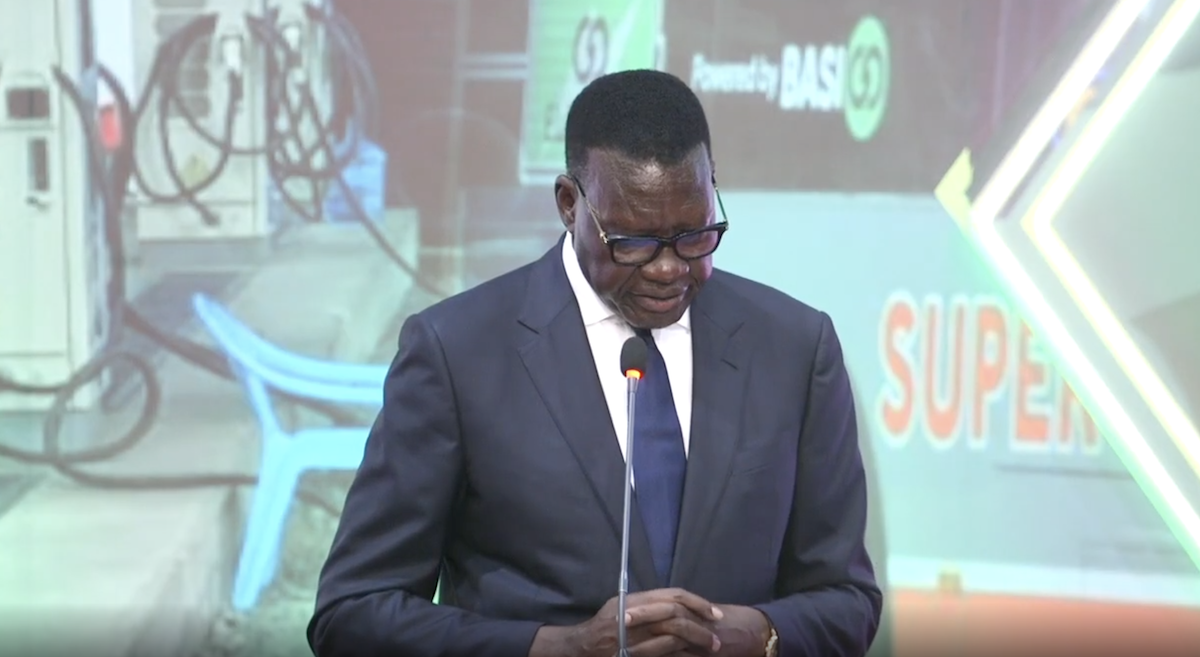
“Through this policy, the government sets out a clear framework for promoting the adoption of electric mobility technologies, building necessary infrastructure, and fostering innovation and investment in the sector,” Cabinet Secretary for Roads and Transport, Mr. Davis Chirchir, said. “If we do this well, Kenya will not only adopt electric mobility, we will build an industry, create jobs, and strengthen our currency position.”
To celebrate the milestone, the Cabinet Secretary unveiled green reflective number plates exclusive to 100% electric vehicles (EVs).
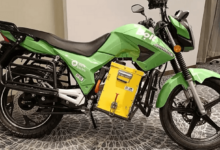

The launch comes amid a dramatic surge in EV adoption. Between 2022 and 2025, Kenya saw a 2,700% increase in registered electric vehicles, jumping from a mere 1,378 units to over 39,000. The bodaboda (motorcycle) sector has led this charge, benefiting from the rapid expansion of battery-swapping networks and targeted asset financing.
To sustain this momentum, the government has introduced aggressive fiscal incentives through the Finance Bill 2025, including: Zero-rating VAT on electric buses, bicycles, motorcycles, and lithium-ion batteries and eliminating excise duty on electric bikes and battery components.

The policy was developed with significant support from the European Union, Germany (GIZ), and the International Finance Corporation (IFC). Mary Porter Peschka, IFC Regional Director for Eastern Africa, praised the move as a bold step toward a more competitive future.
“Electric mobility will create jobs, boost local manufacturing, and reduce dependence on costly fuel imports,” Peschka noted. “For drivers, this policy will mean lower operating costs and better access to charging stations.”
German Ambassador Sebastian Groth echoed these sentiments, stating that Kenya has the potential to become a regional leader in clean energy. Ondrej Šimek, EU Deputy Head of Mission, further highlighted Kenya’s “champion” status in renewable energy, with over 90% of its electricity generated from green sources.
Dr. Juma Mukhwana, Principal Secretary for Industrialization, emphasized that while infrastructure is currently concentrated in Nairobi, the next phase will focus on nationwide expansion. “EV technology has matured; now we must scale local assembly and manufacturing to ensure long-term sustainability,” he said.
With the launch of this comprehensive framework, Kenya joins a select group of global nations treating e-mobility not just as a climate goal, but as a core pillar of industrial transformation.
[Secure Your Seat at Africa Tech Summit Nairobi 2026 | February 11–12 here] Use code TTRENDS10 at checkout to save 10% on your pass and join the leaders building Africa’s $1 trillion cross-border payment future.
Go to TECHTRENDSKE.co.ke for more tech and business news from the African continent.
Follow us on WhatsApp, Telegram, Twitter, and Facebook, or subscribe to our weekly newsletter to ensure you don’t miss out on any future updates. Send tips to editorial@techtrendsmedia.co.ke


