
A Theft Problem Google Can No Longer Treat as Peripheral
Phone theft works because it is fast, disposable, and rarely punished, and Android is trying to slow every part of that equation.

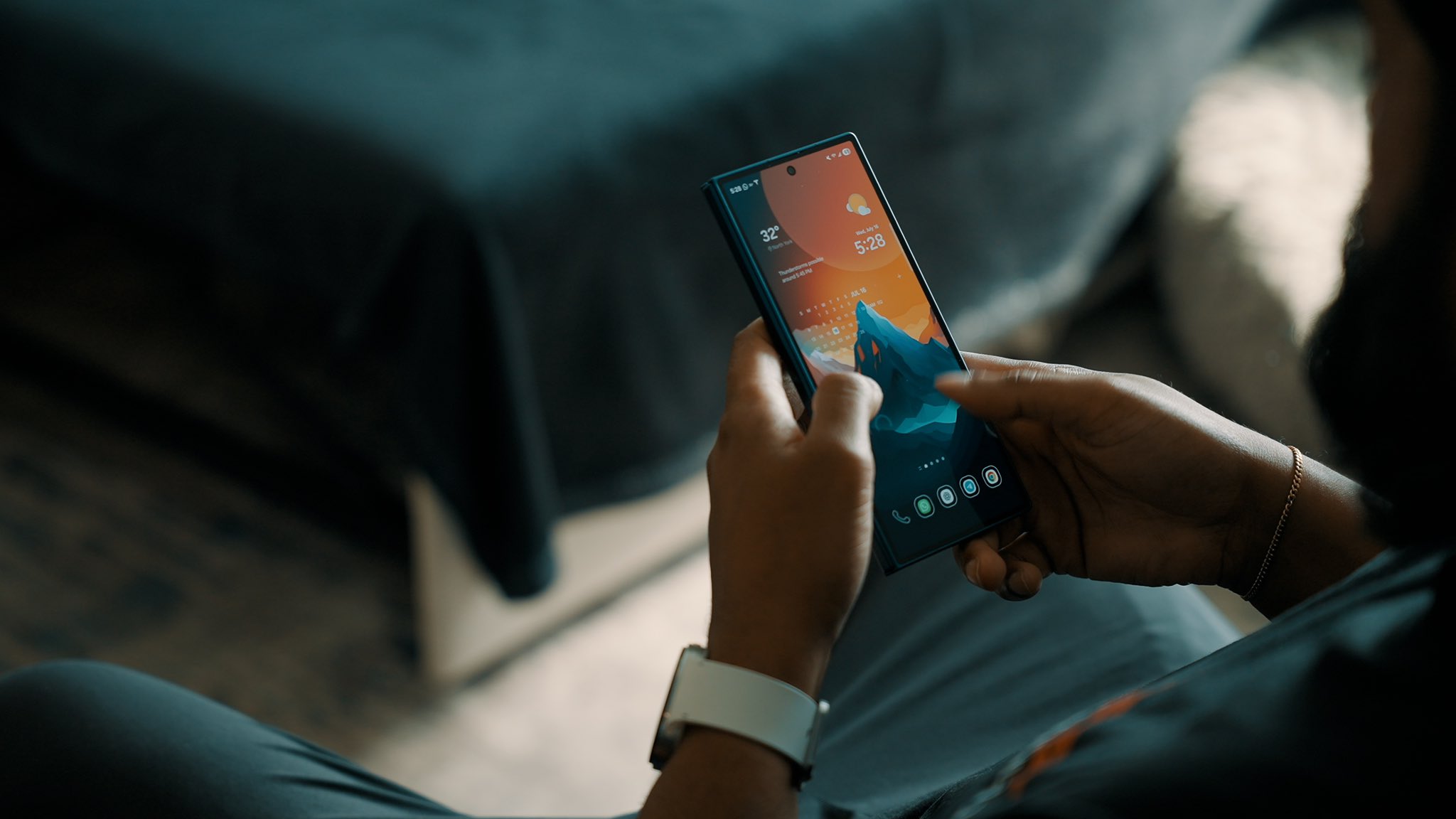
Smartphone theft has never been about novelty. It follows money, resale value, and ease. For years, Android sat in an awkward middle ground. Less lucrative than iPhones on the gray market, but far more numerous. Easier to resell in parts. Easier to wipe when protections were uneven across manufacturers and regions.

That background helps explain why Google’s latest Android anti-theft features feel less like an upgrade cycle and more like a course correction.
Android 16 does not introduce flashy tricks. It tightens screws that were already loose. Lockout timers grow longer. Authentication failures carry more weight. Remote recovery tools ask harder questions.
None of this changes the street-level reality overnight. But it does point to a platform owner that has stopped assuming theft is an edge case.


From Optional Safeguards to Friction by Default
Earlier Android protections often existed in menus that few users visited. Theft Detection Lock arrived in 2024 with clever on-device motion analysis, yet many phones shipped with it disabled. Remote Lock worked, but only if the thief never interfered before the owner reached a browser.
Android 16 leans in the opposite direction. Failed Authentication Lock now sits behind a visible toggle, not buried several layers deep. After repeated wrong PINs or patterns, lockout windows stretch longer. Guessing stops being a fast exercise.

Identity Check expands as well. Biometric confirmation is no longer limited to a narrow set of system actions. Banking apps, password managers, and other sensitive software now share the same defensive posture. A stolen phone becomes less useful not because it is impossible to break into, but because it is time-consuming and risky to try.
That distinction matters. Theft economics respond to friction more reliably than to absolute barriers.
Brazil as a Testing Ground for Defaults
Brazil appears again in Google’s anti-theft playbook, and not by accident. Urban phone theft there is frequent, fast, and often physical. Snatch-and-run incidents shaped the original Theft Detection Lock design.
Now, 2 protections ship enabled by default in the country. Theft Detection Lock stays on. Remote Lock is preconfigured and reachable through android.com/lock. Users do not have to anticipate loss in advance. The system assumes loss is plausible.
This approach raises uncomfortable questions elsewhere. If defaults make sense in São Paulo, why not London or Nairobi? Google does not answer that directly. Regional risk models, regulatory sensitivity, and public perception likely play a role. Still, once defaults exist in one market, their absence in another becomes harder to justify.
Remote Lock Grows Up
Remote Lock used to be a blunt instrument. Enter an account, lock the phone, hope it still had connectivity. Android 16 adds a security challenge layer. Only the legitimate owner can trigger the command, even from a browser.
This closes a quieter vulnerability. Account compromise is not theoretical. Phishing campaigns already target Google credentials at scale. Without additional verification, Remote Lock could be misused to harass or disable devices.
The added challenge does not eliminate that risk. It narrows it enough to matter.
The Real Tension: Security Versus Usability
Every extra lockout minute has a cost. Legitimate users forget PINs. Biometrics fail in bad lighting. A device that locks itself too aggressively risks pushing owners toward weaker authentication habits.
Google appears aware of this balance. Controls remain adjustable. Toggles exist. The system nudges rather than dictates, except in select regions.
The open question is whether this restraint holds. As Android absorbs more financial identity through wallets, keys, and credentials, tolerance for convenience failures may shrink. At some point, platform owners choose whose frustration matters more.
What This Says About Android’s Maturity
Android anti-theft features once felt reactive, bolted on after bad headlines. Android 16 suggests something steadier. Theft is treated as a structural risk, not a public relations problem.
That does not make Android phones theft-proof. It makes them less attractive targets, especially higher-end models like Pixel Pro devices and premium foldables that now resemble iPhones in resale value.
For users, the change is subtle. For thieves, it compounds over time. And for Google, it signals a platform that is finally acting its age, less experimental, more defensive, and increasingly aware that scale brings obligations as well as market share.
[Secure Your Seat at Africa Tech Summit Nairobi 2026 | February 11–12 here] Use code TTRENDS10 at checkout to save 10% on your pass and join the leaders building Africa’s $1 trillion cross-border payment future.
Go to TECHTRENDSKE.co.ke for more tech and business news from the African continent.
Follow us on WhatsApp, Telegram, Twitter, and Facebook, or subscribe to our weekly newsletter to ensure you don’t miss out on any future updates. Send tips to editorial@techtrendsmedia.co.ke


