The NSE Thinks Closeness Will Fix Distance. That Assumption Has a Past
Mobile wallets make money feel close and casual, while stocks have always asked for distance, patience, and a little faith.

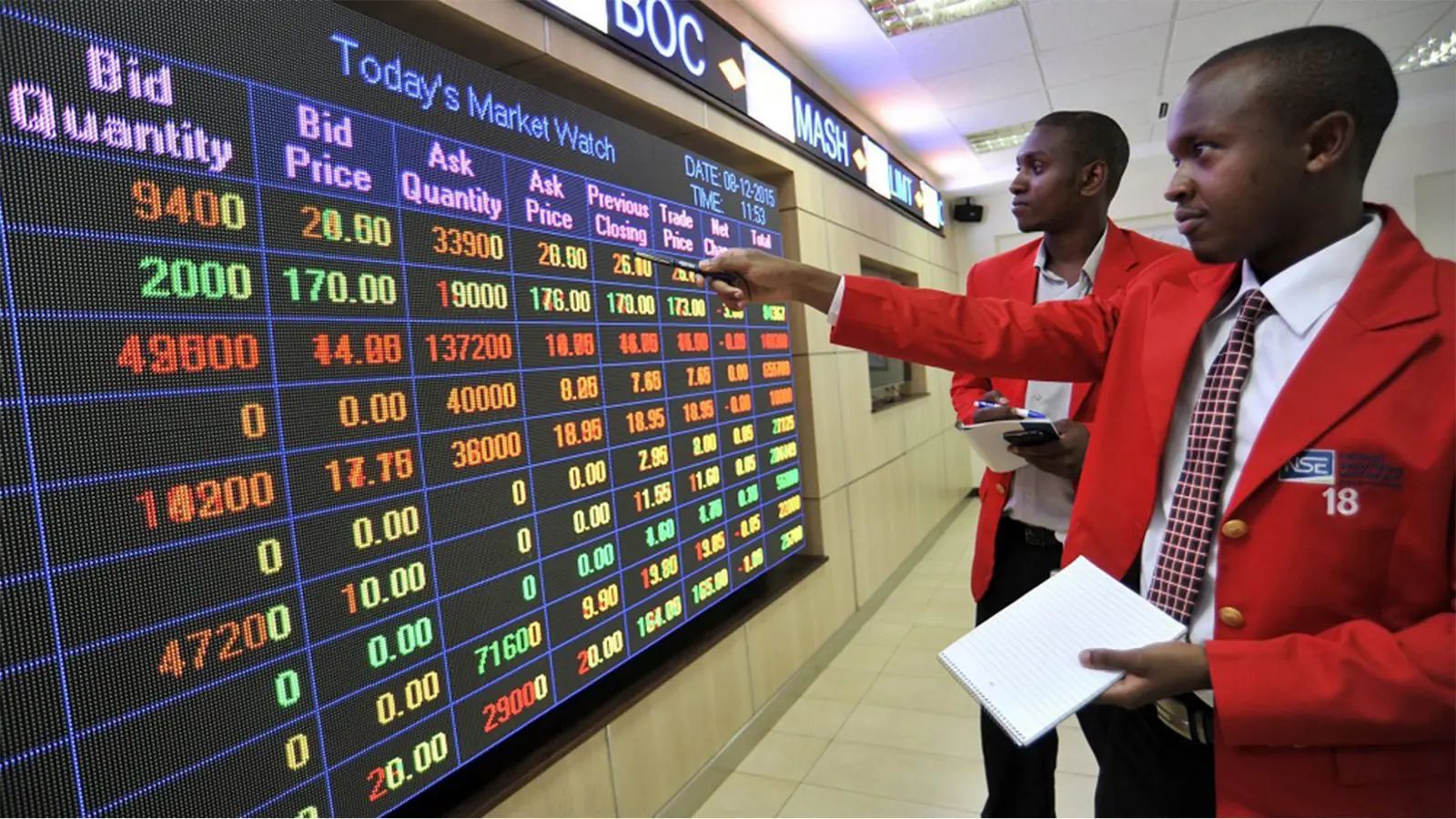
The Nairobi Securities Exchange wants more people to buy shares. Not companies or banks. Regular people. The kind who use their phones to pay for food, bus fare, and rent.

Right now, buying shares feels far away. You need forms, brokers, and patience. For many people, that alone is enough to stop them. So the exchange has an idea. What if people could buy shares the same way they send money on their phones?
This is not live yet. It is still being planned. But the exchange has already allowed mobile money companies like M-Pesa and Airtel Money to prepare trading services. If it happens, people would be able to invest using apps they already trust.
The exchange says this could bring in millions of new traders. The target is 9 million by 2029. That sounds huge. Especially when you look at what happens now.


There are about 1.48 million retail trading accounts on the exchange. But in most months of 2024, fewer than 10,000 of them were actually used. That means many people signed up and then stopped. Or never really started.
Mobile money looks different. M-Pesa has more than 37 million monthly users in Kenya. In just 6 months ending September 2025, people moved about $157 billion through it. That money moves every day, without much thinking.
The exchange seems to hope that if trading sits next to daily payments, it will feel normal instead of intimidating. Like something you can try, not something you need to prepare for.
There is pressure behind this idea. Kenya went more than 10 years without a big IPO. Now the government is selling 65% of its oil pipeline company, hoping to raise $824 million. About 20% of those shares are meant for ordinary investors. Another company, Family Bank, is expected to list later.
Big deals need buyers. If retail investors do not show up, the same institutions will take most of the shares again.
The exchange has already changed some rules to make entry easier. In 2024, it removed the rule that forced people to buy at least 100 shares at once. Now someone can buy a single share. It also plans to hire 500 agents to help people sign up and learn.
Still, one thing is missing. Nobody has said how much mobile trading will cost. Fees matter. If buying shares is expensive, people will try once and leave. If it is cheap, traditional brokers may struggle.
There is also the problem of understanding. Mobile apps make things fast. Markets are not fast in the same way. People who expect quick wins may get frustrated and walk away.
The exchange has had good years before. In 2024, prices rose by about 52% in dollar terms. That did not change habits much. People remember past disappointments.
So even if mobile trading launches, success is not automatic. Many people might open accounts. Fewer might keep using them.
What this plan really shows is that the exchange wants to feel closer to everyday life. Being distant has not worked. Being nearby might help. Or it might just move the same problems onto a smaller screen.
Nobody will know until it actually starts.
[Secure Your Seat at Africa Tech Summit Nairobi 2026 | February 11–12 here] Use code TTRENDS10 at checkout to save 10% on your pass and join the leaders building Africa’s $1 trillion cross-border payment future.
Go to TECHTRENDSKE.co.ke for more tech and business news from the African continent.
Follow us on WhatsApp, Telegram, Twitter, and Facebook, or subscribe to our weekly newsletter to ensure you don’t miss out on any future updates. Send tips to editorial@techtrendsmedia.co.ke

