

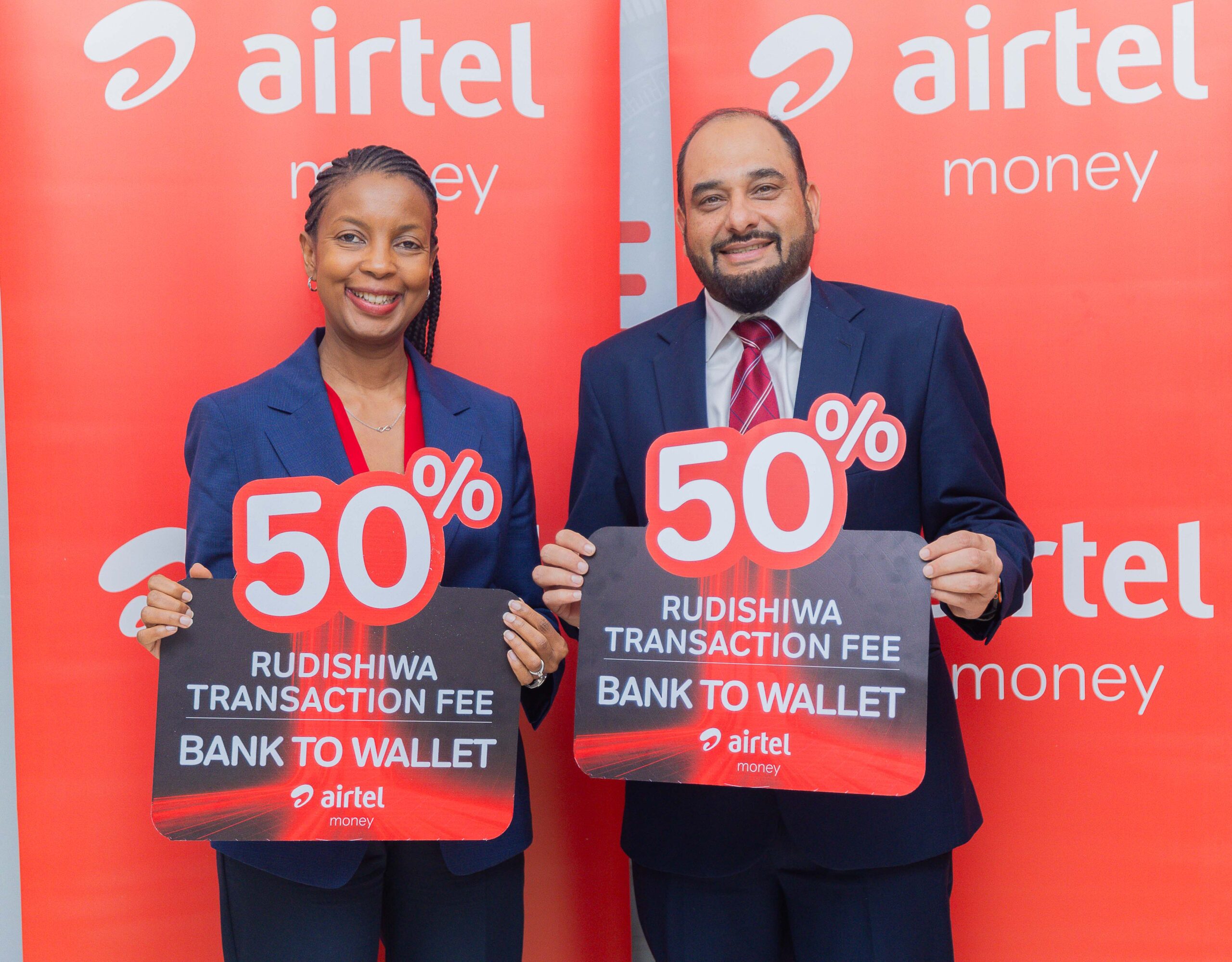
When Airtel Money Kenya says it wants a slice of the digital overdraft market, it is not entering open ground. It is walking into a space already shaped, disciplined, and monetised by Safaricom’s Fuliza, a product that has trained millions of users how to borrow, repay, and accept friction as part of daily mobile money life.

The appeal is obvious. Digital overdrafts sit at the crossroads of payments and credit, where frequency beats size and habit beats persuasion. Every failed transaction is a chance to lend. Every low balance becomes an invitation. For a telecom operator, that is powerful terrain.
Yet dominance changes the rules of entry. Airtel is not selling an idea. It is asking users to unlearn one routine and adopt another, often with smaller balances, thinner margins, and less historical trust in the platform holding their money.
Fuliza’s real advantage is muscle memory
Fuliza is often discussed in terms of volumes and fees, but its deeper strength lies elsewhere. It has embedded itself into everyday behaviour. Sending money without checking balances. Paying a merchant on instinct. Buying airtime on autopilot. The overdraft fades into the background, only noticed when the fee arrives later.


That kind of integration is hard to copy. It is built over years of repetition, reinforced by the scale of M-Pesa itself. Even users who complain about charges keep using it, partly because the alternative requires attention. Attention is expensive in a market built on speed.
Airtel’s promise of lower costs speaks to real frustration, but pricing alone rarely breaks habit. In mobile money, convenience has repeatedly beaten fairness. The lesson is uncomfortable, but the numbers keep pointing the same way.

The pricing argument cuts both ways
Airtel Money’s leadership has criticised high charges in mobile lending, framing affordability as a moral and inclusion issue. That line will resonate with regulators, consumer groups, and a segment of users who feel trapped by fees that pile up in small, relentless increments.
Still, cheaper credit brings its own pressures. Lower margins demand either volume or restraint. Volume requires scale that Airtel does not yet have in mobile money. Restraint risks limiting access, which undercuts the inclusion argument that underpins the product in the first place.
Safaricom’s pricing, unpopular as it can be, reflects confidence in demand. Fuliza does not need to persuade most of its users. It simply appears when needed. Airtel will have to do more work, and work costs money.
Banks in the background, risk in the foreground
Digital overdrafts are not purely telecom products. Banks carry the risk, set the credit logic, and absorb defaults. Safaricom’s partnerships with NCBA and KCB have matured alongside Fuliza, refining scoring models based on years of transaction data.
Airtel has been careful not to name its banking partners yet. That silence invites questions rather than answers. Will lenders price risk aggressively for a smaller, less predictable user base. Will limits be conservative at launch. Will users feel constrained rather than enabled.
Credit is emotional. A low limit feels like rejection. An overdraft that fails mid-transaction feels worse than having none at all. Airtel’s early design choices will linger longer than its launch messaging.
A market that looks crowded but behaves narrow
Kenya’s mobile money penetration is near saturation. On paper, that suggests fertile ground for competition. In practice, most meaningful activity sits inside one ecosystem. Airtel Money’s ten percent market share is real, but it is unevenly distributed, with lighter usage and lower balances.
That creates a paradox. The users most likely to need overdrafts are also the ones least likely to be active on Airtel Money. Meanwhile, heavy M-Pesa users already have Fuliza, and many have limits that feel generous enough.
Breaking that loop requires more than copying features. It requires altering where people choose to park their money. That is a deeper behavioural ask than launching a new loan toggle.
The regulation question no one escapes
Digital credit in Kenya is under constant scrutiny. Fees, disclosures, and consumer protection rules have tightened over time, often after products have already scaled. Any new overdraft enters a more suspicious environment than Fuliza did in 2019.
Airtel may find that lower pricing earns goodwill, but it also reduces room to absorb regulatory surprises. Caps, reporting rules, or tighter credit assessments land harder when margins are thin. Safaricom has buffers. Airtel has ambition.
The irony is that the push for fairer digital credit could entrench the largest player, simply because it can afford compliance friction better than challengers.
What success would actually look like
If Airtel’s overdraft launches and immediately posts Fuliza-like numbers, something unusual has happened. A more plausible outcome is slower, messier growth. A niche audience. Lower limits. Careful tuning. Over time, perhaps a loyal base that values predictability over reach.
That would still matter. Not as a takeover, but as pressure. Pricing tension. A reminder that alternatives exist, even if they are smaller. In markets like this, change rarely arrives in dramatic fashion. It seeps in through fatigue, regulation, and gradual rebalancing.
For now, Airtel is stepping into a space where the leader’s greatest asset is not technology or partnerships, but routine. Breaking routine is possible. It just takes longer than a launch announcement suggests.
[Secure Your Seat at Africa Tech Summit Nairobi 2026 | February 11–12 here] Use code TTRENDS10 at checkout to save 10% on your pass and join the leaders building Africa’s $1 trillion cross-border payment future.
Go to TECHTRENDSKE.co.ke for more tech and business news from the African continent and across the world.
Follow us on WhatsApp, Telegram, Twitter, and Facebook, or subscribe to our weekly newsletter to ensure you don’t miss out on any future updates. Send tips to editorial@techtrendsmedia.co.ke
TechTrends Media Podcasts


