
Meta Is Burning Through Cash, Talent, and Patience in Zuckerberg’s Race to Stay Relevant in AI
After falling behind rivals, Meta’s founder is pouring money, power, and patience into an AI rebuild that is unsettling the company from the inside

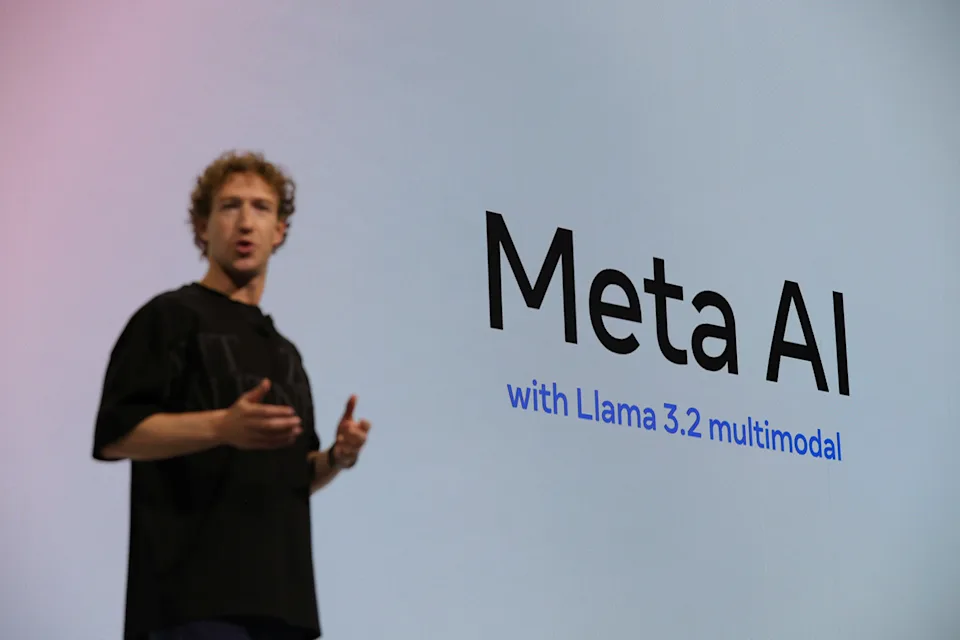
Mark Zuckerberg has always had a habit of deciding, abruptly and absolutely, that a single idea will carry his company into the next decade. Once he does, everything else bends around it. Products, people, budgets. Sometimes, Wall Street applauds. Sometimes it groans.

The Meta AI superintelligence push belongs firmly in that lineage. It is not incremental. It is not defensive. It is Zuckerberg choosing to sprint after rivals who already have a head start, and to do it by rewriting his own company from the inside out.
The urgency is not subtle. He has poured tens of billions into data centres, chips, debt structures, and hiring packages that sound more like lottery jackpots than compensation plans. He has reorganised teams, imported outsiders, sidelined veterans, and accepted visible turbulence as a cost of speed. This is Meta behaving like a company that believes time is the only resource it does not have.
What makes this moment different is not just the scale. It is the combination of technological ambition, internal disruption, and financial exposure all landing at once.


Catching up by spending ahead
Meta is late to the current phase of the AI race. That is an uncomfortable sentence for a company that once set the pace in social networking, mobile advertising, and consumer scale. Llama, its flagship open model, failed to match rivals on harder tasks. The gap was obvious inside the company long before it showed up in public benchmarks.
Zuckerberg’s response has been blunt. Spend through the gap. Build faster than caution would suggest. Hire people who might fix structural weaknesses, even if that destabilises the hierarchy that has run Meta for years.
Capital expenditure is the clearest expression of that thinking. The company is committing sums that would have been unthinkable even two years ago, not only through traditional spending but via complex financing arrangements that keep debt out of sight while still very much in play. Investors have noticed. So have employees who lived through repeated rounds of cuts while watching infrastructure budgets balloon.
This is not spending for polish or optional upgrades. It is spending driven by fear of irrelevance.
The talent scramble and its side effects
Zuckerberg’s hiring spree has been described internally as a sweep, and that captures the mood. Candidates were pursued aggressively, sometimes personally. Compensation offers reached levels that reshaped internal expectations overnight.
The upside is obvious. Meta now employs people who understand frontier AI development because they helped build it elsewhere. The downside is harder to manage. Longtime leaders have found themselves reporting to newcomers. Research cultures that once competed quietly are now colliding openly. Decision-making has grown faster, but also sharper edged.
The arrival of Alexandr Wang to oversee the superintelligence effort embodies that tension. He brings credibility, ambition, and an outsider’s impatience. He also operates under a founder who remains deeply involved in technical detail and direction. That combination can drive results. It can also grind.
Meta has lived through this pattern before. What is new is how many of these power dynamics are unfolding at the same time.
Products chasing a story
For all the spending and reshuffling, the hardest question remains unanswered. What exactly does success look like in the product?
Zuckerberg has spoken about AI companions, creative tools, and systems embedded in future smart glasses. The vision is expansive, even seductive. Yet Meta’s core business still runs on advertising tied to attention, targeting, and trust. Bridging those worlds is not automatic.
There is a noticeable hesitation when it comes to monetisation details. That may be strategic. It may also reflect internal disagreement. Some leaders want paid access to advanced models. Others want AI deeply wired into advertising and feeds, whether users notice or not.
History suggests Meta eventually finds a way to extract revenue from scale. The risk is that the company builds impressive systems without a clear path to folding them into the engine that actually pays the bills.
Politics, pressure, and public trust
The technical race is only half the battlefield. AI sits squarely in the crosshairs of regulators, parents, and politicians. Meta enters that environment with baggage.
Recent disclosures around chatbot behaviour involving minors reignited long-running doubts about the company’s instincts around safety. At the same time, Zuckerberg has made visible efforts to repair political relationships, softening policies and rhetoric in ways that would have seemed unlikely a few years ago.
Trust is not a side issue here. If Meta wants its AI woven into daily life, especially through devices that blur online and offline boundaries, it will need permission from more than investors. That permission is fragile.
A company stretched thin by ambition
Inside Meta, the mood is described by some as energised and by others as exhausting. Both can be true. Rapid execution brings clarity for some teams and whiplash for others. Layoffs framed as efficiency sit uncomfortably alongside hiring packages that reset norms.
Veterans who once shaped the company’s identity are leaving. New leaders are arriving with little patience for institutional memory. The glue that holds these transitions together is Zuckerberg himself, still convinced that moving slower would be the real mistake.
This is founder control at its most exposed. If the bet pays off, it reinforces his reputation for timing bold moves before consensus forms. If it falters, the costs will be visible everywhere, from the balance sheet to morale.
Where this road plausibly leads
The most likely outcome is not a clean win or collapse. Meta could produce a competitive model that narrows the gap without fully overtaking rivals. That might be enough to stabilise confidence, justify the spend, and buy time.
Another path is messier. Strong research output paired with unclear product fit, rising debt pressure, and continued scrutiny over safety could leave Meta technically impressive but strategically constrained.
There is also the possibility that embedding AI into wearables creates a platform Meta controls end to end, reducing reliance on others in ways advertising never could. That outcome would validate the entire gamble, even if it takes longer than investors prefer.
What is clear is that Zuckerberg has chosen exposure over caution. The Meta AI superintelligence push is not about refinement. It is about refusing to accept second place in a race that now defines the industry.
For a company built on scale and speed, that instinct is familiar. The difference this time is the price of being wrong.
Go to TECHTRENDSKE.co.ke for more tech and business news from the African continent.
Follow us on WhatsApp, Telegram, Twitter, and Facebook, or subscribe to our weekly newsletter to ensure you don’t miss out on any future updates. Send tips to editorial@techtrendsmedia.co.ke
TechTrends Media Podcasts


