CES 2026 Is Still Weeks Away, and the Industry Is Already Making Its Moves
Before the doors open in Las Vegas, chipmakers, TV giants, and AI builders are already positioning their priorities, and the outlines of CES 2026 are coming into focus

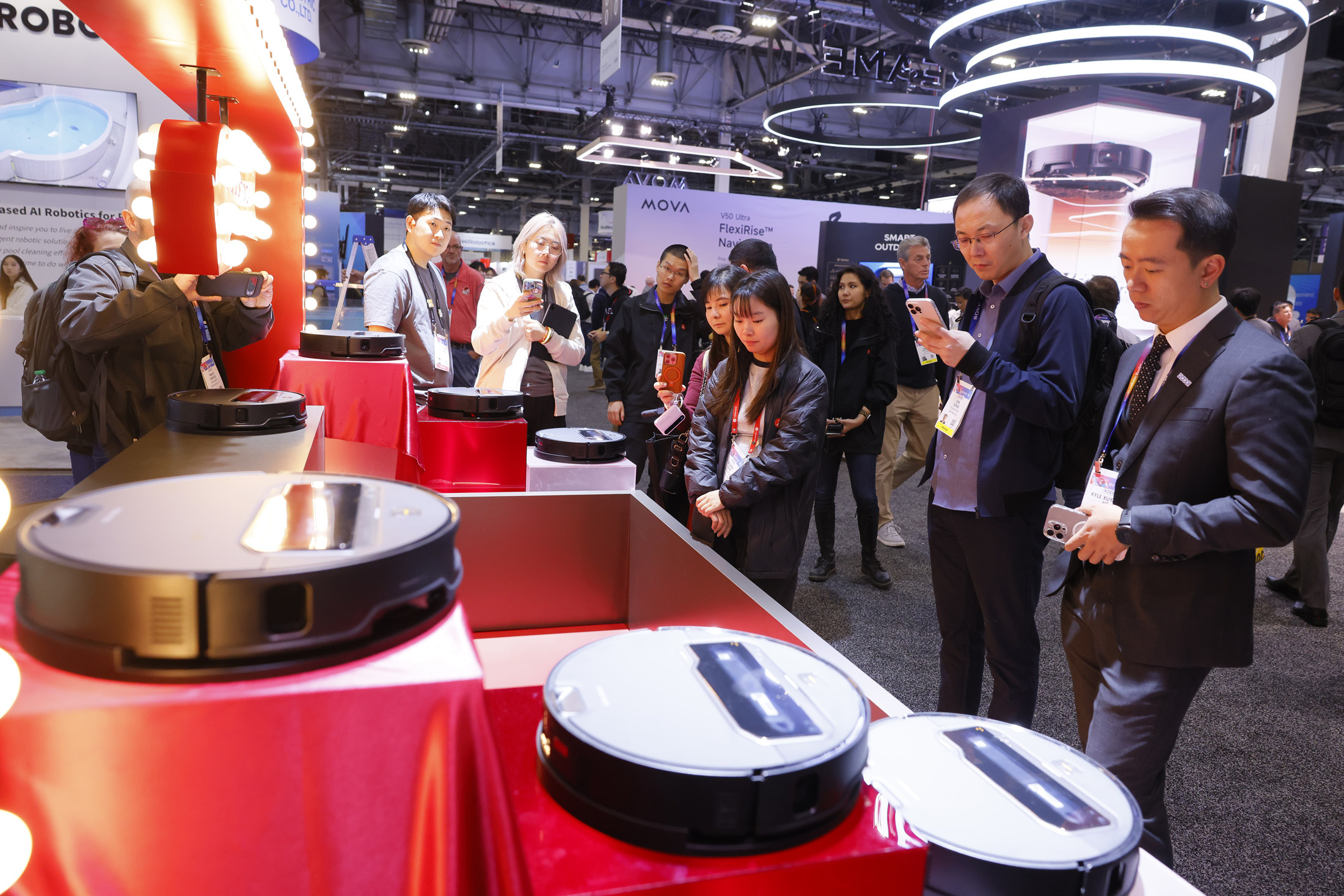
CES does not officially open until early January, yet the contours of the 2026 edition are already visible. Schedules are live. Keynotes are locked. And a familiar pattern is emerging as the industry prepares to converge on Las Vegas once again.

The CES 2026 show floor runs January 6 through 9, with press events beginning Sunday, January 4, and a packed slate of conferences on Monday. As usual, the Las Vegas Convention Center anchors the action, with hotels across the city hosting demos, briefings, and private meetings that often matter more than the booths themselves.
Engadget, along with most major tech publications, will cover the event both on site and remotely. But even before the first badge is scanned, several themes are already becoming clear.
The Press Conferences That Set the Tone
Samsung opens CES on Sunday evening with its annual First Look presentation. TM Roh, CEO of Samsung’s DX Division, will outline the company’s device strategy for 2026, with a heavy emphasis on AI-driven customer experiences. Samsung has used this slot in past years to frame how it wants its ecosystem understood, not just to announce hardware.
Monday brings the dense stretch of CES keynotes. LG starts the day with a presentation centered on what it calls Affectionate Intelligence, a phrase that signals a continued push toward AI embedded into daily routines rather than standalone tools.
Intel follows in the afternoon with the launch of its Core Ultra Series 3 processors, a critical moment for its premium laptop roadmap. Sony Honda Mobility is expected to provide further detail on its first production vehicle, while AMD CEO Lisa Su closes the day with a keynote focused on upcoming chip releases.

NVIDIA has also secured a prominent spot. Jensen Huang’s keynote, scheduled for January 5 at 1PM PT, runs longer than most and promises a broad look at NVIDIA’s role across industries. Given the company’s influence across AI infrastructure, automotive computing, and advanced graphics, this presentation often reverberates well beyond CES itself.
Tuesday shifts attention to Lenovo. CEO Yuanqing Yang will host Lenovo Tech World at Sphere, using the venue’s massive curved display to reinforce the company’s AI ambitions. With Motorola under its umbrella, Lenovo also retains a consumer hardware angle that could surface during the presentation.
CES Still Belongs to Chips
CES remains one of the earliest proving grounds for new silicon, and 2026 appears no different.
AMD is expected to unveil new Ryzen processors, including updates tied to its Ryzen 9000 lineup and X3D variants that continue to target gaming and performance-focused desktops. There is also anticipation around further details on FSR Redstone, AMD’s AI-assisted upscaling technology, which reflects the broader push to integrate AI features closer to the hardware layer.
Intel arrives with clearer intent. The company has already confirmed it will introduce Panther Lake processors at CES. These Core Ultra Series 3 chips represent Intel’s first major consumer rollout using its 18A process and are positioned squarely at premium laptops. Performance claims point to sizable gains in both CPU and integrated graphics capability, reinforcing Intel’s effort to reclaim momentum in mobile computing.
Qualcomm is expected to continue its expansion into laptops as well. Snapdragon X2 Elite chips are rumored to appear across multiple devices, extending Qualcomm’s effort to move beyond phones and tablets. CES may offer the first meaningful look at how those chips perform in real shipping systems, not just benchmarks.
Display Technology Is Back in the Spotlight
Televisions always dominate floor space at CES, and 2026 looks set to continue that tradition.
Sony has already refreshed its Bravia lineup, but attention is turning toward entirely new panel technology. Earlier this year, the company introduced an RGB Mini LED backlight system that uses individual red, green, and blue LEDs rather than filtering white or blue light. The approach promises higher brightness and improved color accuracy without the long-term concerns associated with OLED burn-in.
Sony has trademarked the name True RGB, which many expect to appear on CES signage if the company chooses to debut this technology publicly. Even if it does not, Sony still has a 240Hz PlayStation-focused monitor slated for 2026 that would fit neatly into the show’s gaming narrative.
Samsung is also preparing updates on the standards side. An enhanced HDR10+ specification, reportedly called HDR10+ Advanced, is expected to support more adaptive tone mapping and content-aware adjustments for sports and gaming. This positions Samsung to compete more directly with newer Dolby Vision capabilities, particularly as screen brightness continues to climb.
LG, for its part, is unlikely to stay quiet. New OLED refinements and Mini LED alternatives remain core to its CES presence, and incremental improvements often arrive dressed as generational progress.
Robots Are Still Coming, Just Slower Than Promised
Samsung’s Ballie has become something of a recurring CES character. First revealed in 2020, then reintroduced with a projector in 2024, Ballie was most recently promised for a 2025 release with Google’s Gemini onboard. That deadline has passed quietly, and the robot has yet to reach consumers.
CES 2026 could offer another update, or simply another appearance. Either way, Ballie’s prolonged development reflects a broader reality in consumer robotics. Ambition moves faster than execution.
Robot vacuums, however, continue to evolve at a steady pace. CES 2025 highlighted machines capable of lifting themselves over thresholds and deploying articulated arms. In 2026, refinements are expected around navigation, obstacle handling, and multi-surface cleaning. Products such as Roborock’s retractable roller mops and legged designs from competitors suggest the category is still experimenting with form as well as function.
AI Moves Closer to Physical Space
One of the quieter but more consequential conversations at CES 2026 will revolve around how AI understands the real world. Attention is gradually moving beyond language models toward systems that model physical environments, sometimes described as world models.
These approaches aim to give machines a deeper grasp of space, movement, and cause and effect. For robotics, this could determine whether devices remain clever novelties or become genuinely useful assistants in homes and workplaces.
CES has always been a showcase, but it also acts as an early indicator of where investment and attention are concentrating. In 2026, the emphasis appears to be on hardware that can support AI at scale, screens that push visual limits without sacrificing longevity, and robots that inch closer to practical relevance.
The show has not started yet, but the priorities are already visible.
Go to TECHTRENDSKE.co.ke for more tech and business news from the African continent.
Follow us on WhatsApp, Telegram, Twitter, and Facebook, or subscribe to our weekly newsletter to ensure you don’t miss out on any future updates. Send tips to editorial@techtrendsmedia.co.ke
TechTrends Media Podcasts

