
Starlink wants into Africa’s phones and Airtel just opened the door
Direct to Cell fits neatly into Airtel’s network, but less neatly into national rulebooks

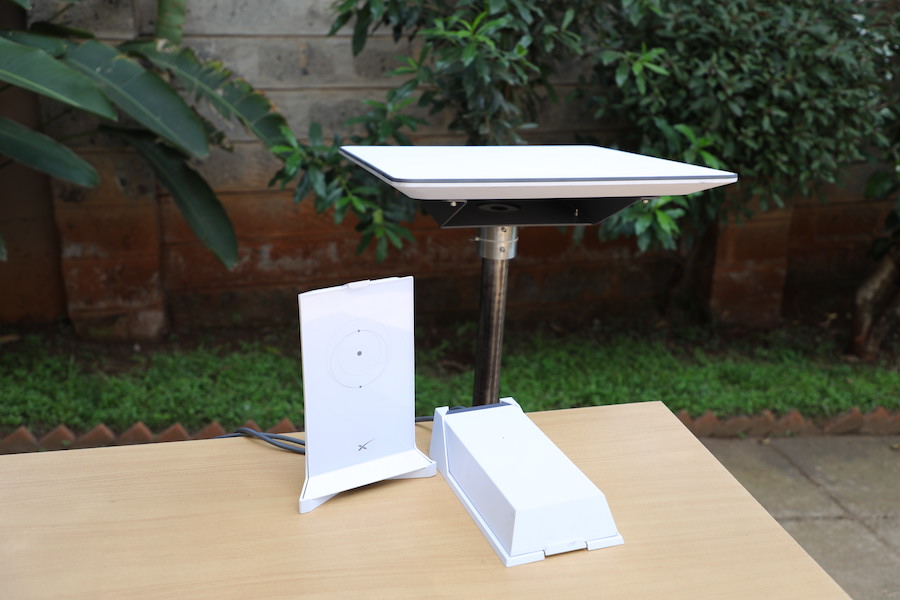
Airtel Africa’s agreement to carry Starlink’s Direct to Cell service across its footprint reads, at first glance, like a simple expansion of coverage. Phones connect upward when towers run out. Messages go through. End of story.

The reality is more complicated. Direct to Cell does not replace ground networks. It sits above them, an orbital layer designed to fill gaps that have resisted years of investment. In Africa, those gaps are structural. Terrain, power constraints, security concerns, and thin population density have kept parts of the map outside reliable reach. Airtel’s move addresses that geography without pretending it can be engineered away.
The service will start with SMS and limited text messaging. No video promises. No talk of speeds. That restraint matters. It frames Direct to Cell as connective tissue rather than a parallel network competing with towers and fiber.
Why this works on ordinary phones
The mechanics are less exotic than they sound. Each Direct to Cell satellite carries LTE radio equipment similar to what sits on a 4G tower. From the handset’s point of view, the satellite looks like another mobile network, closer to roaming than to traditional satellite service.


That design choice removes a major barrier. Standard 4G LTE smartphones can connect without hardware changes, firmware updates, or special applications, assuming clear sky visibility and operator approval. Airtel keeps the customer relationship intact. Billing, numbering, and service logic stay familiar.
This is one reason Airtel moved first at scale. The company can extend presence without forcing customers to buy new devices or learn new behavior.

Timelines, and the limits of certainty
Airtel and SpaceX are targeting an initial rollout beginning in 2026. That date should be read as a planning horizon, not a universal switch-on moment. Each market requires regulatory approval, and those processes rarely move in lockstep.
Direct to Cell touches spectrum policy, lawful intercept frameworks, and national security rules. Satellites do not float above those concerns. Airtel’s role matters here. Regulators know the operator, even if the technology is unfamiliar. That familiarity may smooth approvals in some countries while slowing others.
Uneven launches are likely. So are revisions to scope as authorities weigh oversight and control.
SMS first, ambition later
SpaceX presents Direct to Cell as capable of supporting voice and richer services over time. Airtel’s choice to begin with messaging reflects institutional caution rather than technical incapacity.
In many African markets, SMS still underpins daily systems. Mobile money alerts, authentication codes, emergency notifications, and basic coordination depend on texts that arrive reliably. A message that gets through can matter more than a fast connection that does not.
Starting small also reduces operational risk. Low bandwidth services fit comfortably within early capacity limits and ease coordination with terrestrial networks. Expansion, if it comes, will follow proof rather than promises.
Regulation is the real terrain
Direct to Cell relies on Airtel’s licensed spectrum. Starlink cannot operate independently. The satellite layer functions as a roaming partner embedded within national frameworks.
That dependence reshapes the power balance. Space-based reach does not bypass states or regulators. It works only where operators can lend spectrum and approvals follow. The model favors incumbents with scale and compliance history, not satellite firms acting alone.
For Airtel, this alignment offers leverage without surrendering control. For regulators, it preserves familiar points of accountability.
Where availability carries weight
Satellite-backed messaging has already proven useful in disaster response elsewhere, supporting emergency communication during floods, storms, and accidents beyond tower reach. In African contexts, similar needs appear in remote pastoral regions, national parks, offshore waters, and long transport corridors.
These are not daily use cases for most subscribers. They are critical ones when coverage drops away. Direct to Cell does not erase those gaps, but it narrows them in moments that matter.
Competition without a tower race
In Kenya, SpaceX also works with Safaricom on satellite services. The contrast is instructive. Safaricom offers national depth. Airtel offers continental span.
For SpaceX, Airtel provides a single operator with reach across multiple countries. For Airtel, satellites offer a way to extend coverage into places where towers never made economic sense. The contest is not about replacing infrastructure, but about who can layer reach more efficiently.
What this changes, and what it does not
Direct to Cell will not solve Africa’s connectivity challenges overnight. It will not turn remote regions into high-capacity zones. It will not remove the need for towers, fiber, or power.
What it does offer is presence where absence has persisted. An orbital layer that keeps phones connected when the ground network ends. Airtel’s deal with SpaceX recognizes the limits of traditional expansion and works within them, adding reach without rewriting the rules of the mobile system.
If it succeeds, most users may never notice when their messages take the long way around. That invisibility would be the point.
Go to TECHTRENDSKE.co.ke for more tech and business news from the African continent.
Follow us on WhatsApp, Telegram, Twitter, and Facebook, or subscribe to our weekly newsletter to ensure you don’t miss out on any future updates. Send tips to editorial@techtrendsmedia.co.ke
TechTrends Media Podcasts


