How a Single Ozempic Video Exposed the Legal Blind Spot in Kenya’s Social Media Health Boom
A fitness influencer’s video about Ozempic promised to educate but instead stirred a storm over who should give medical advice online and where the law draws the line.

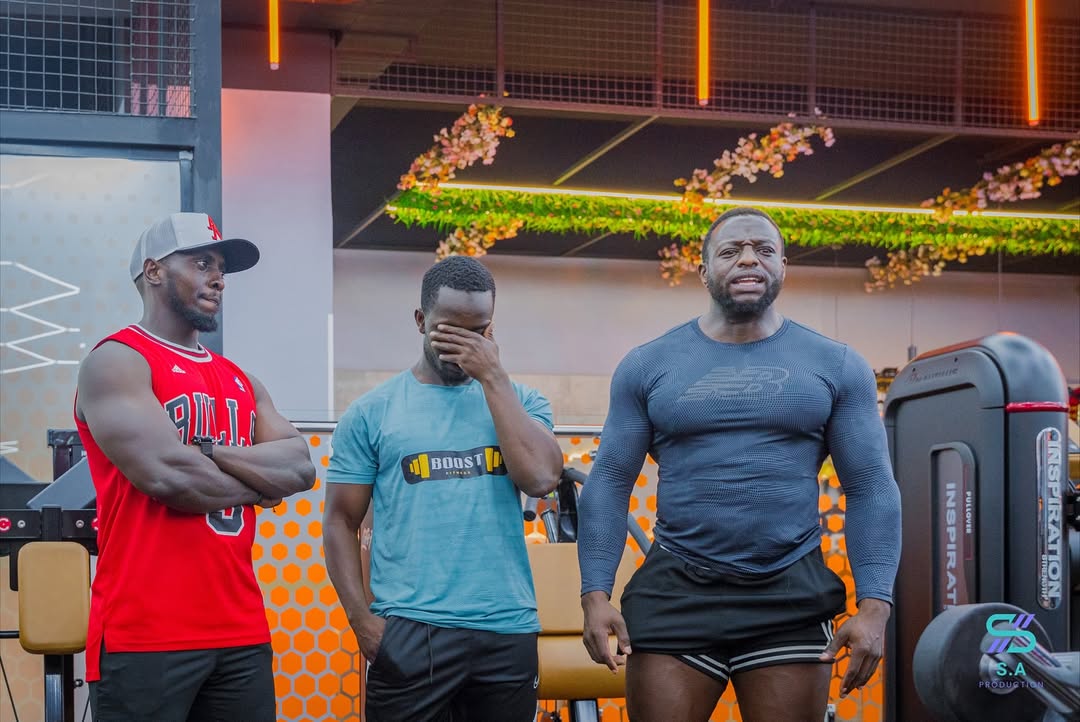
A recent X post by fitness influencer @Gachau_Njoroge, shows how blurred the line has become between education and marketing in Kenya’s online health space.
The video, part of his ongoing “How Ozempic Works” series, described dosage levels, injection methods, and lifestyle tips. Within hours, it gained traction among followers interested in the growing class of GLP-1 medications reshaping the global fitness conversation.
On the surface, it looks informative. But the details—dosage instructions, brand mention, and a partnership tag with “ZPHC (Zhengzhou Pharmaceutical)”—push the content into territory that Kenyan law reserves for licensed professionals and authorized advertisers.
By the following morning, the Pharmaceutical Society of Kenya (PSK) had publicly responded. In a formal statement addressed to Njoroge, the society wrote:
We have taken note of your growing influence in the wellness and fitness space and acknowledge the positive impact you are making. While we believe you intend to inform and help, such communication unfortunately falls within the promotion of prescription medicines, which is prohibited.
JOIN OUR TECHTRENDS NEWSLETTER
The PSK’s tone was measured but firm. The letter framed the post not as malicious, but as a regulatory infraction — one that straddled the boundary between personal advocacy and professional responsibility.
The legal framework behind the warning
Kenya’s Pharmacy and Poisons Act (Cap. 244) explicitly prohibits the advertisement or public promotion of prescription-only drugs without approval from the Pharmacy and Poisons Board (PPB). Section 24A of the Act places the burden of compliance not only on companies but also on individuals or entities that facilitate public communication about such drugs.
In Njoroge’s case, the detailed description of Ozempic’s dosing and administration, even when presented as educational content, was interpreted as promotional under Kenyan law. The PSK’s citation effectively served as a caution: intent does not override impact. Whether or not the influencer profited from the post, the legal standard is based on what constitutes promotion to the public — and that threshold was clearly met.
Penalties for such violations can include fines of up to one million shillings or imprisonment. Yet enforcement in the social media era remains complex, especially when influencers operate at the intersection of personal experience, audience engagement, and corporate partnerships.
The health risks behind the content
Beyond legality, the PSK’s concern touches on public health. Ozempic, a GLP-1 receptor agonist originally approved for type 2 diabetes, has become popular off-label for weight management. While clinical studies show significant reductions in body weight, they also reveal a loss of lean muscle mass and potential cardiovascular effects.
By explaining how to titrate from 0.25 to 1 mg and describing others’ extreme fasting regimens, Njoroge’s video risked encouraging self-medication — a problem the Kenyan health sector has struggled to contain. Without medical oversight, improper use of semaglutide can cause severe nausea, dehydration, or cardiac strain.
Regulation meets influence
The PSK’s response highlights a new frontier in health regulation: influencer medicine. Health content creators wield outsized authority, often blurring the lines between storytelling and medical instruction. As social media evolves into an informal classroom for health and wellness, regulators are trying to keep up.
In this context, Kenya’s dilemma mirrors global developments — particularly in China, where the government recently moved to formalize the boundaries of expertise online.
Effective October 25, 2025, China’s new influencer qualification law requires that creators discussing medicine, law, education, or finance hold formal academic or professional credentials in those fields. The rule, aimed at curbing misinformation and enforcing reliability, mandates proof of qualification before posting in sensitive categories.
Violators risk suspension and fines. The law is part of Beijing’s broader effort to govern an influencer economy valued at over 1.2 trillion RMB, while maintaining tight control over public discourse and digital authority.
A global tension: authenticity versus accountability
The Kenyan and Chinese cases differ in philosophy but converge on a shared question: who gets to speak with authority online?
For Kenya, the issue is public safety and compliance. For China, it is credentialed control. Both are responding to the same reality — the growing influence of self-made experts who shape public opinion faster than institutions can react.
For creators like Njoroge, the tension lies in intent. Many genuinely aim to educate and empower, yet lack formal medical training. Regulators, meanwhile, must decide how to protect the public without stifling free expression or legitimate wellness advocacy.
The next frontier of health influence
The Ozempic incident may prove a turning point. Kenya’s pharmacy regulators now face a challenge that traditional media laws never anticipated — health content created by non-experts for mass audiences. Whether through policy updates or digital monitoring, the next phase will determine how freely health information circulates online.
Influencers, too, will have to adapt. The space that once rewarded confidence and charisma now demands credibility and caution.
Between freedom of expression and the duty to protect public health, the balance grows more delicate with every post.
Go to TECHTRENDSKE.co.ke for more tech and business news from the African continent.
Follow us on WhatsApp, Telegram, Twitter, and Facebook, or subscribe to our weekly newsletter to ensure you don’t miss out on any future updates. Send tips to editorial@techtrendsmedia.co.ke


