The New Language of Phone Cameras: OPPO and Apple See the World Apart
Apple’s precision and OPPO’s instinct reveal how far photography has moved from the math of megapixels

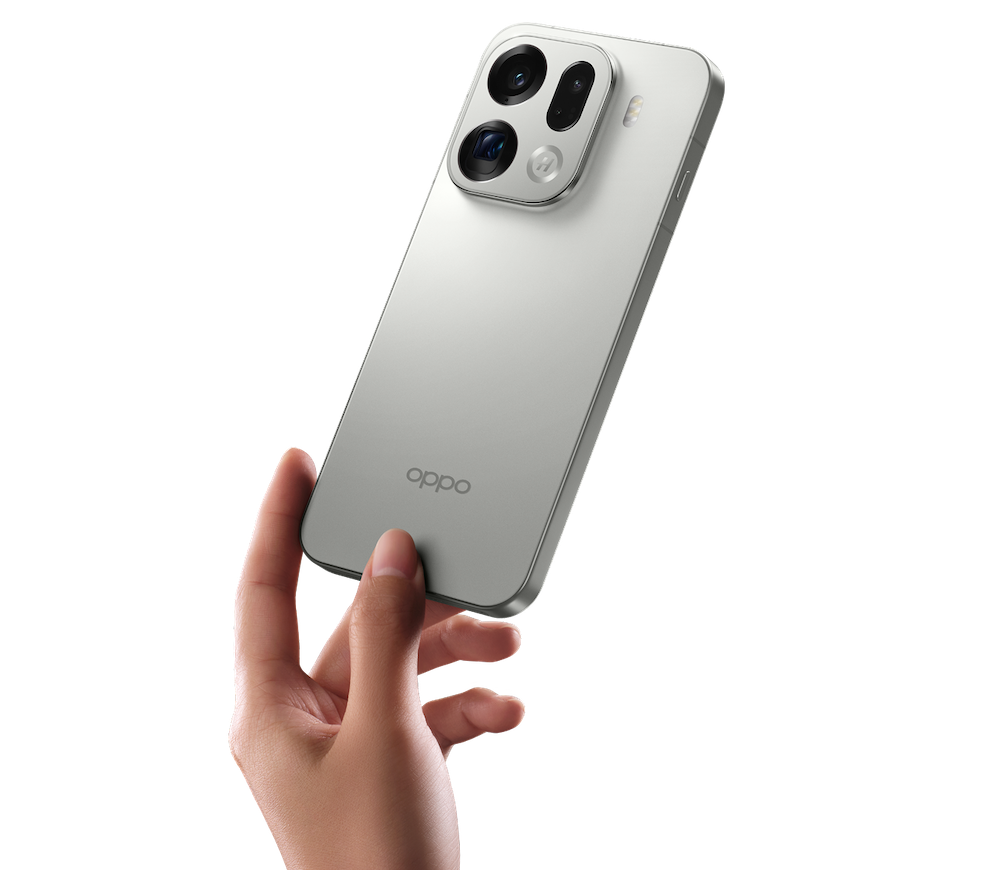
The smartphone camera wars have stopped being about who has the most megapixels. They’re about how each brand interprets the same world. This year, the OPPO Find X9 Pro goes head-to-head with Apple’s iPhone 17 Pro, not as a challenger from behind but as a peer. Both flagships treat light and tone differently — one instinctive, the other deliberate — and the results say a lot about where mobile photography now stands.

The Weight of the Specs
Numbers rarely tell the full story, but they anchor the conversation. OPPO and Apple have built radically different camera systems around the same goal: fidelity that feels emotional, not artificial.
| Feature | Oppo Find X9 Pro | iPhone 17 Pro |
|---|---|---|
| Main Sensor | 1-inch Sony LYT-900, 50MP, f/1.8 | 48MP custom Sony sensor, f/1.7 |
| Ultra-Wide | 50MP Sony LYT-600, 120° FOV, f/2.0 | 48MP ultra-wide, 120° FOV, f/2.2 |
| Telephoto | 50MP periscope, 3x optical, 6x hybrid | 12MP telephoto, 5x optical |
| Front Camera | 32MP, f/2.4 | 12MP TrueDepth, f/1.9 |
| Image Processing | MariSilicon X2 ISP, Hasselblad color calibration | Apple A18 Pro ISP, Deep Fusion + Photonic Engine |
| Video | 8K/30fps, 4K/120fps | 4K/60fps Dolby Vision HDR |
| Color Science | Hasselblad Natural Color Profile | Apple Smart HDR 6 |
| Software Tools | RAW+, Hasselblad Master Mode, Pro-level control | ProRAW, Log Video, Smart HDR presets |
The table shows parity — but the philosophy diverges. OPPO’s partnership with Hasselblad pushes for cinematic restraint, coaxing warmth from natural light. Apple continues its pursuit of optical neutrality, insisting that truth lies in precision, not persuasion.
How They See the World
Under daylight, the difference is immediate. The Find X9 Pro paints color as memory would recall it — gentle contrast, mellow saturation, a slight amber warmth that softens edges. The iPhone 17 Pro remains clinical, even restrained, parsing detail down to leaf veins and fabric weave. Both deliver realism; one reads like film, the other like lab work.

Low light closes the gap further. Third-party tests show OPPO’s large sensor pulling texture from dim surfaces with surprisingly low noise. Shadows hold form. Apple’s night shots retain clarity but lose some mood, edging toward uniform exposure.
Portraits mark the most interesting divergence. OPPO’s depth mapping now favors continuity — subjects remain grounded in the scene instead of hovering above a blurred backdrop. Apple still isolates its subjects with a surgeon’s precision. Neither is wrong. The contrast speaks to taste rather than technology.

The New Frontier: Computation as Aesthetic
Both devices rely on computational heavy lifting, but their algorithms express intent differently. OPPO’s color calibration with Hasselblad favors tonality — shadows breathe, skin retains hue variation, highlights decay slowly. Its MariSilicon X2 chip works like an editor, choosing subtlety over punch.
Apple’s pipeline still prizes fidelity. Its Deep Fusion and Photonic Engine parse micro-textures and merge exposures in milliseconds. The result: consistency, no matter the environment. Yet that consistency can feel detached. The iPhone records; the OPPO interprets.
It’s here that the rivalry deepens — not a fight between hardware specs, but between worldviews. Apple defines accuracy as loyalty to what’s in front of the lens. OPPO defines it as how the scene felt to the human eye.
The Field Verdict
Across multiple independent camera reviews, the consensus leans toward equilibrium. In daylight, Apple’s precision remains unmatched. In low light and portraits, OPPO’s tonal depth and color realism draw equal praise. Video performance still tilts toward Apple’s cinematic consistency, but OPPO’s higher frame range and exposure control point to a more experimental future.
Importantly, OPPO’s photos no longer carry that old gloss. The exaggeration is gone. Its processing now feels deliberate — colors roll smoothly, light feels patient, depth natural. That restraint reflects a brand finding visual maturity, something few Android flagships sustain over multiple generations.
Apple, in turn, seems less eager to dominate. Its color mapping in the iPhone 17 Pro nudges warmer than before, a quiet acknowledgment that the world doesn’t need to look clinically perfect.
A Rivalry About Taste, Not Power
What’s happening between these two cameras mirrors a broader moment in mobile imaging. Computational photography has reached a plateau in clarity; the next race is emotional. It’s about intent, style, and the biases we accept in digital realism.
Both phones now represent distinct schools of thought. The iPhone captures the scene as an artifact. The OPPO captures it as an experience. That’s not rivalry by numbers — it’s authorship.
For the first time in years, the question isn’t which camera is better. It’s which version of the world you prefer to remember.
Go to TECHTRENDSKE.co.ke for more tech and business news from the African continent.
Follow us on WhatsApp, Telegram, Twitter, and Facebook, or subscribe to our weekly newsletter to ensure you don’t miss out on any future updates. Send tips to editorial@techtrendsmedia.co.ke


