
If Stanbic and NCBA Join Forces, the Real Shock Won’t Be the Size but Who Gets Squeezed Out
A possible tie-up that could unsettle familiar hierarchies, force regulators into uncomfortable choices and leave everyday account holders guessing what kind of lender they’ll be dealing with next

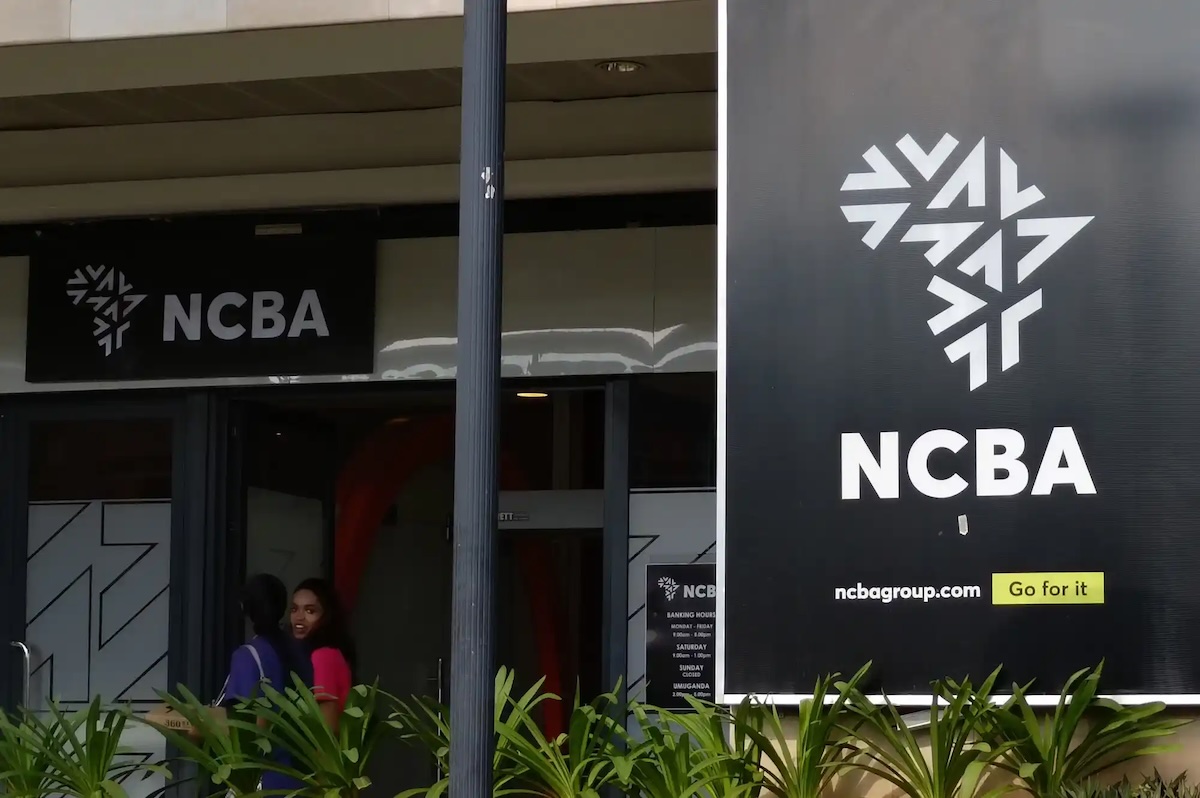
In a deal that could rearrange familiar ground, Bloomberg reports that Standard Bank’s Kenyan unit has opened formal negotiations to acquire NCBA Group. If it happens, the combined lender would leap into the league of the country’s largest banks, and that fact alone rewrites the incentives regulators, rivals and clients now face.

This is not just another balance-sheet swap. It is a collision between goals: regulators pushing fewer, better-capitalized banks; managers chasing scale and regional reach; and customers who want steady access to credit where they live. Those tensions will shape the approvals process and the contours of any final deal.
Where the regulators sit, and what they will ask
Kenya’s banking mergers live inside a set of overlapping mandates. The Central Bank of Kenya controls fit-and-proper checks and prudential compliance under the Banking Act. The Competition Authority reviews market effects and potential remedies. For any listed target, the Capital Markets Authority enforces takeover rules and disclosure duties. Each agency brings a different lens, and together they decide whether a transaction is permitted, delayed or reshaped with conditions.
Capital adequacy will be a central test. The CBK has been nudging banks to carry stronger buffers, and it will demand realistic pro forma capital plans for the combined group. Supervisors will also insist on system-stability guardrails and clear integration plans for liquidity, payments and credit processes. Recent monetary policy shifts add another layer, since rate decisions influence lending margins and financing models that shape how the deal is structured.

Competition officials will interrogate market overlaps in deposits, lending and payments. They can impose structural fixes or behavioral undertakings if the new entity threatens pricing power or squeezes smaller players. Firms that arrive with concrete mitigation proposals tend to face shorter reviews than those improvising as they go.
A race to scale, not comfort
Kenya’s market already leans toward a few dominant balance sheets. A merged Stanbic-NCBA would sit just below the two largest lenders, and that position changes everything from procurement to digital investment. But scale is not a synonym for public benefit. It can widen digital reach and finance long-term lending, yet it can also sideline low-yield branches and narrow the room for smaller competitors to breathe.

The question is whether the combined institution would use its size to widen access or to prune its footprint in pursuit of efficiency. Regulators will read those intentions through integration plans and branch strategies.
Practical frictions that can stall or sink a merger
Integration sounds tidy on paper and chaotic in practice. IT systems collide, compliance frameworks clash, and customer data gets reshuffled into new categories. Regulators will expect fallback planning, detailed timelines and consumer-protection guarantees. The capital markets watchdog will monitor how and when the listed target communicates once a firm offer is declared.
Foreign ownership and governance introduce added complexity. Stanbic sits inside a South African group, so supervisors will probe cross-border control structures, risk-sharing arrangements and the chain of accountability.
Likely regulatory outcome: approval with strings attached
Kenya’s track record favors conditional approval over outright rejection. Supervisors tend to allow deals that promise stronger balance sheets, but they attach obligations—maintain key branches, protect SME lending, divest select assets or honour service-level commitments. The parties that come prepared with draft commitments often steer the process more efficiently.
None of those conditions are painless. Keeping branches open raises operating costs. Divesting profitable units cuts into return on equity. Every compromise reframes the value calculation behind the deal.
What customers are likely to see
The first phase usually brings disruption. System changes, account migrations and brand shifts introduce uncertainty. Over time, scale can produce lower costs and better digital infrastructure, but that depends on how the new bank chooses to allocate resources. Larger lenders can also exert more influence over loan pricing and deposit rates if safeguards aren’t enforced.
Rural borrowers remain the most exposed. Branch closures tend to start where margins are slim, and those communities still rely on in-person review for credit decisions. Regulators can push for alternative service mandates, such as agency banking or protected lending quotas, but enforcement varies.
What could actually happen
One outcome is a guarded green light. Regulators allow the deal but insist on visible guardrails — service retention in less profitable regions, ring-fenced SME lending, and a phased integration that doesn’t bulldoze the ecosystem overnight.
Another path forces the banks to give something up. Authorities could push for a breakup of overlapping business lines or regional portfolios. The merger survives, but only after assets are shed and the purchase math is rewritten.
There’s also the real possibility it never closes. If the fixes demanded eat into margins or shareholders balk at the concessions, the talks stall and the market resets. That vacuum could draw in new suitors or spawn smaller alliances.
How this lands will depend on how much homework the banks have done, how believable their safeguards sound and how far regulators are willing to bend to justify the risk.
Zoom out
Kenya’s banking landscape has been edging toward consolidation for years. A successful Stanbic-NCBA merger would set a new benchmark for scale and could prompt mid-tier lenders to seek partners or carve out niches. It might also harden competitive lines in corporate credit and payments, where scale advantages already set the rules.
Regulation will decide whether that scale serves the system or distorts it. With careful conditions and real enforcement, consolidation can stabilise the sector and extend services. Without that, the market risks concentrating power without meaningful public gain.
Comparative snapshot of the largest Kenyan banks (assets and market share, KSh billions – Market share based on sector assets of KSh 7.65 trillion, CBK end-2024)
| Rank | Bank | Total Assets (KSh bn) | Market Share (%) | Customer Deposits (KSh bn) | Loan Book (KSh bn) | CAR (%) | NPL Ratio (%) | Source period notes |
|---|---|---|---|---|---|---|---|---|
| 1 | KCB Group | 1,969.0 | 25.8 | 1,320.0 | 1,050.0 | 16.2 | 5.1 | Assets, deposits, loans: H1 2025; CAR & NPL: FY 2024 |
| 2 | Equity Group | 1,800.0 | 23.5 | 1,230.0 | 980.0 | 15.8 | 6.0 | Assets & deposits: H1 2025; CAR & NPL: FY 2024–H1 2025 |
| 3 | Co-operative Bank | 743.2 | 9.7 | 520.0 | 410.0 | 16.5 | 4.8 | Assets & deposits: FY 2024 / H1 2025; CAR & NPL: FY 2024 |
| 4 | NCBA Group | 663.0 | 8.7 | 455.0 | 380.0 | 15.0 | 6.5 | Assets, deposits, loans: H1 2025; CAR & NPL: H1 2025 |
| 5 | Diamond Trust Bank (DTB) | 595.1 | 7.8 | 380.0 | 300.0 | 14.7 | 4.9 | Assets & loans: Q1–H1 2025; CAR & NPL: interim 2025 |
| 6 | I&M Group | 588.9 | 7.7 | 375.0 | 305.0 | 15.4 | 4.6 | Assets & deposits: H1 2025; CAR & NPL: interim 2025 |
| 7 | Absa Bank Kenya | 532.0 | 7.0 | 360.0 | 280.0 | 14.9 | 6.8 | Assets, deposits, loans: H1 2025; CAR & NPL: FY 2024 / H1 2025 |
| 8 | Stanbic Bank Kenya | 473.7 | 6.2 | 300.0 | 240.0 | 15.2 | 5.7 | Assets & deposits: FY 2024 / interim 2025; CAR & NPL: latest updates |
| 9 | Standard Chartered Kenya | 372.1 | 4.9 | 250.0 | 190.0 | 15.6 | 3.9 | Assets & deposits: HY 2025; CAR & NPL: HY 2025 |
| 10 | Prime Bank | 214.8 | 2.8 | 145.0 | 120.0 | 16.0 | 3.5 | Assets: H1 2025; deposits/loans: recent interim; CAR & NPL: FY 2024–H1 2025 |
What to watch next
The clearest clues will show up in the official paperwork. Once the talks turn serious, expect filings that outline how the merger would unfold—everything from timelines to how the two systems might be linked. If regulators get an early heads-up, that will signal where they think the deal could disrupt competition or customer access.
The real tell will be what happens to branches and SME lending. Those moves will show whether everyday users and small businesses are being protected or simply accommodated.
This isn’t just a banking story. It cuts across access to services, digital finance and how people interact with money day to day. The question has moved past whether a merger can happen. It’s about the kind of bank that would come out of it—and what that means for customers, communities and competitors.
Go to TECHTRENDSKE.co.ke for more tech and business news from the African continent.
Mark your calendars! The GreenShift Sustainability Forum is back in Nairobi this November. Join innovators, policymakers & sustainability leaders for a breakfast forum as we explore sustainable solutions shaping the continent’s future. Limited slots – Register now – here. Email info@techtrendsmedia.co.ke for partnership requests.
Follow us on WhatsApp, Telegram, Twitter, and Facebook, or subscribe to our weekly newsletter to ensure you don’t miss out on any future updates. Send tips to editorial@techtrendsmedia.co.ke
TechTrends Media Podcasts


