
Safari, But Make It Platform: Inside Kenya’s High-Stakes Tourism Land Grab
There was a time when entry to the wild depended on guides and gatekeepers. Now the gate is digital, and tech companies are fighting over the keys.

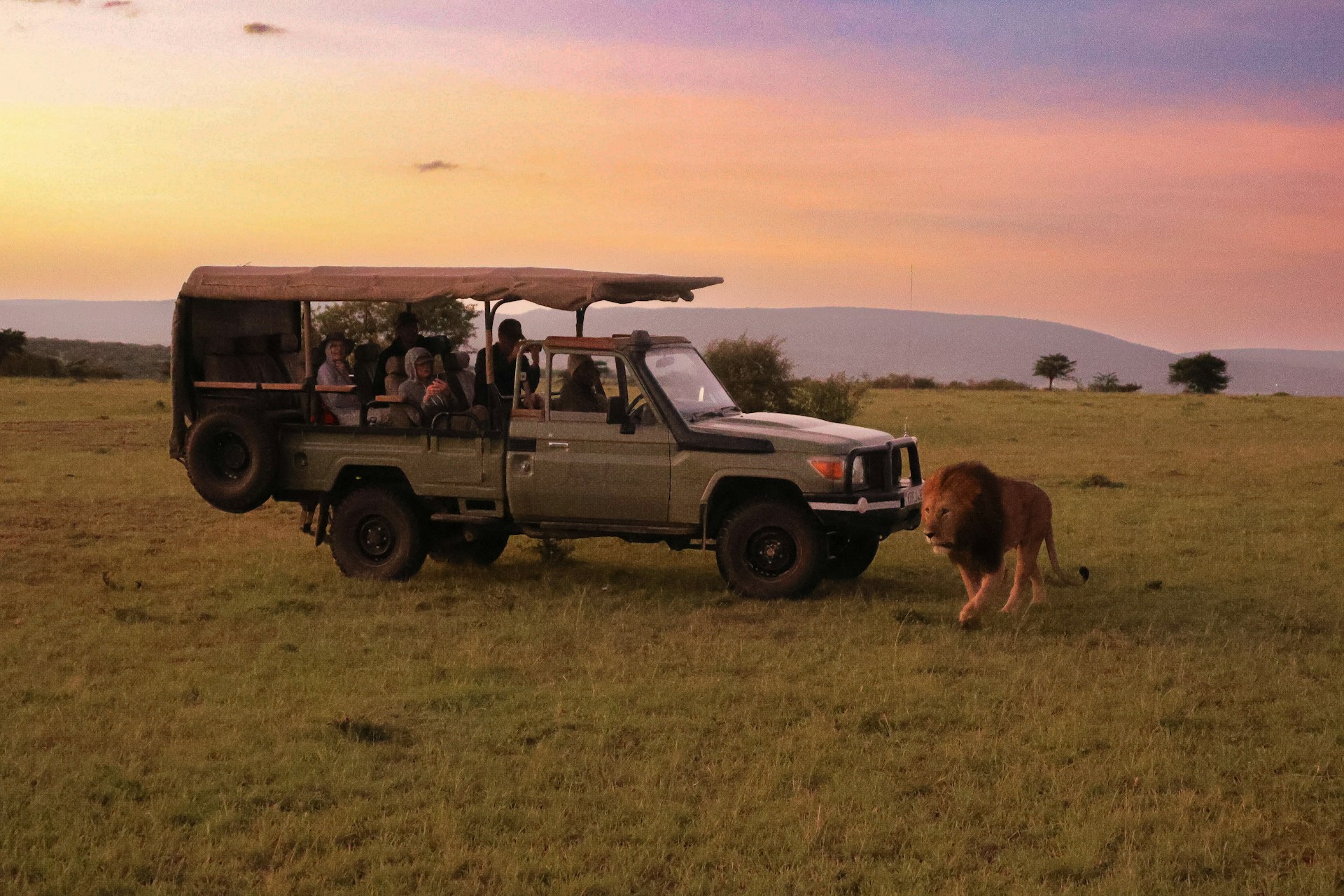
Tourism used to be guided by memory, luck, and handshake logistics. If you made it to Nairobi National Park, it was because you knew someone who knew someone who had a cousin with a van. Today, the new gatekeepers aren’t rangers or tour operators — they’re apps.
Kenya’s tourism industry is no longer just modernising. It’s being platformised.
What began as simple digitisation — e-tickets, card payments, online bookings — has evolved into a turf war between global mobility giants and fintech disruptors. Uber and Bolt are no longer competing just for city rides; they’re fighting for control of the safari economy itself. Fintech startups like TouristTap are carving out their own corner, vying to rule how tourists pay, not just how they travel.
The question is no longer how people reach the wild.


It’s who owns the interface to it.
Uber vs Bolt: The New Safari Operators
Uber made the first move with Uber Safari, allowing users to summon a game drive vehicle like a standard airport pickup. It was inevitable — once you train consumers to demand rides on tap, excursions start looking like oversized trips.
The company didn’t attempt to reinvent the safari — it simply grafted a familiar interface onto existing tour operator infrastructure. Licensed firms, extended-wheelbase Land Cruisers, vetted guides, regulatory approvals — all held in place beneath a sleek “Book Safari” button.
It was disruption dressed as compliance.
But now Bolt — Uber’s most persistent rival across African cities — is preparing to challenge that position. The company has confirmed plans to enter the Kenyan safari market by late 2025, hinting at pricing that could undercut Uber’s rates. There are no confirmed partner parks, no official vehicle list, and no disclosed safety framework. But one signal is clear:
Uber wants to be the refined gateway. Bolt wants to be the cheap one.
That sets the stage for Kenya’s first true platform battle over wildlife access — and unlike past ride-hailing wars fought on city streets, this one unfolds across conservation land.
Uber Built Structure. Bolt May Choose Scale.
Uber’s strategy is intentional restraint. It doesn’t own vehicles or guides but insists its operator partners meet long-standing safari norms: certified drivers, reinforced chassis, formal coordination with Kenya Wildlife Service.
Bolt, by contrast, traditionally grows through rapid onboarding and thinner margins, often tolerating early-phase disorder in pursuit of dominance. If Uber handpicked established safari outfits, Bolt is likely to throw open the gates to smaller, informal operators who’ve historically been excluded from marketing reach.
That could democratise participation — or dilute standards beyond recovery.
Because the Land Cruiser is not an aesthetic choice. It is a survival mechanism. Swap it for a compact SUV to shave off rental costs, and the safari becomes a liability dressed as affordability.
When Heritage Becomes a Software Service
The safari experience has long been a ritual: booked days ahead, preceded by safety briefings, guided by someone who knows which patch of grass hides a leopard. A booking platform flattens that ceremony into interface logic:
Trip accepted. Driver en route. Expected lion sighting ETA — uncertain.
There is cultural cost in that translation. At what point does a lion encounter become just another feature toggle?
Yet it’s equally true that traditional safari systems have been exclusionary. Many Kenyans have never set foot in national parks — not due to disinterest, but because the booking process has historically been opaque, expensive or simply intimidating.
If Bolt pushes pricing lower and access wider, wildlife tourism could finally become routine for local families instead of aspirational. The question is whether affordability is achieved through efficiency — or extraction.
Meanwhile, the Payments War Is Just as Fierce
If Uber and Bolt are fighting to move tourists, fintechs are fighting to charge them.
Enter TouristTap — a quiet but explosive idea: turn any smartphone into a POS terminal. No hardware. No bank account. No currency headaches. A Maasai beadwork seller or campsite ranger can now accept Visa, Mastercard, or M-Pesa on the spot.
It is financial inclusion — but also financial annexation.
Visa is already piloting tap-to-pay in Samburu. Local wallets are lobbying to make M-Pesa mandatory at park gates. A splintered future is possible:
| Player | What They Control | Potential Outcome |
|---|---|---|
| Uber | Transport layer | Surge-priced wildlife access |
| Bolt | Bundled logistics | Ride + lodge package deals |
| TouristTap / Visa | Payment rails | Cashless parks, vendor dependency |
Tourism is no longer nature vs infrastructure.
It’s software vs sovereignty.
If Uber controls access, and TouristTap controls payment, and Google Maps controls navigation — how much of the safari is still Kenyan?
The Question No One Wants to Answer: Who Owns the Interface Owns the Industry
Platforms are not competing for fleets. They’re competing for default behavior. The first app you use to book a safari becomes the app you use forever. And once they own the first tap, they’ll monetize the rest:
- Scenic route upgrades
- Bundled picnic packages
- Photo licensing
- Post-drive souvenir reels generated by AI
And the moment this becomes normalized, tour operators risk becoming silent subcontractors—visible on the ground, invisible in the transaction.
Can Kenya Referee the Platforms — Or Will It Watch from the Sidelines?
The industry is moving toward one of two very different outcomes.
Scenario 1: Platform Dependency
Uber and Bolt don’t wait for permission — they become safari gatekeepers by sheer usage. TouristTap and Visa quietly turn into unofficial revenue officers, handling payments before the government even sees them. Regulations stop coming from wildlife authorities and start emerging from backend dashboards.
Scenario 2: Platform Sovereignty
Kenya builds its own digital framework before the platforms lock in dominance. Instead of negotiating app by app, it creates a national booking and payments API — a system private players must plug into. Surge pricing is capped. Revenue splits are transparent. Local communities are legally wired into every transaction.
That’s the real fork in the road. It’s not about whether technology belongs in conservation. It’s about who dictates the rules it runs on.
The Wild May Be Untamed — The Apps Won’t Be
Booking a game drive will soon feel no different from ordering lunch. The friction is disappearing fast.
- You’ll hire a rhino-viewing ride like you order takeout.
- You’ll pay your guide without breaking a note.
- You’ll cross entire parks without ever speaking to a human.
It will feel efficient — until something glitches.
- A signal blackout in the bush.
- A surge-priced lion sighting.
- A navigation error that suggests a shortcut through a breeding zone.
And then the obvious question appears: Who steps in when software gets it wrong?
Because lions don’t pause for system errors — humans do.
Go to TECHTRENDSKE.co.ke for more tech and business news from the African continent.
Mark your calendars! The GreenShift Sustainability Forum is back in Nairobi this November. Join innovators, policymakers & sustainability leaders for a breakfast forum as we explore sustainable solutions shaping the continent’s future. Limited slots – Register now – here. Email info@techtrendsmedia.co.ke for partnership requests.
Follow us on WhatsApp, Telegram, Twitter, and Facebook, or subscribe to our weekly newsletter to ensure you don’t miss out on any future updates. Send tips to editorial@techtrendsmedia.co.ke
TechTrends Media Podcasts


