
eBee Mobility Cuts Workforce Amid Falling E-Bike Sales and Rising Operational Costs in Kenya
As employees leave and operations contract, the startup grapples with the tension between visionary goals and everyday market pressures

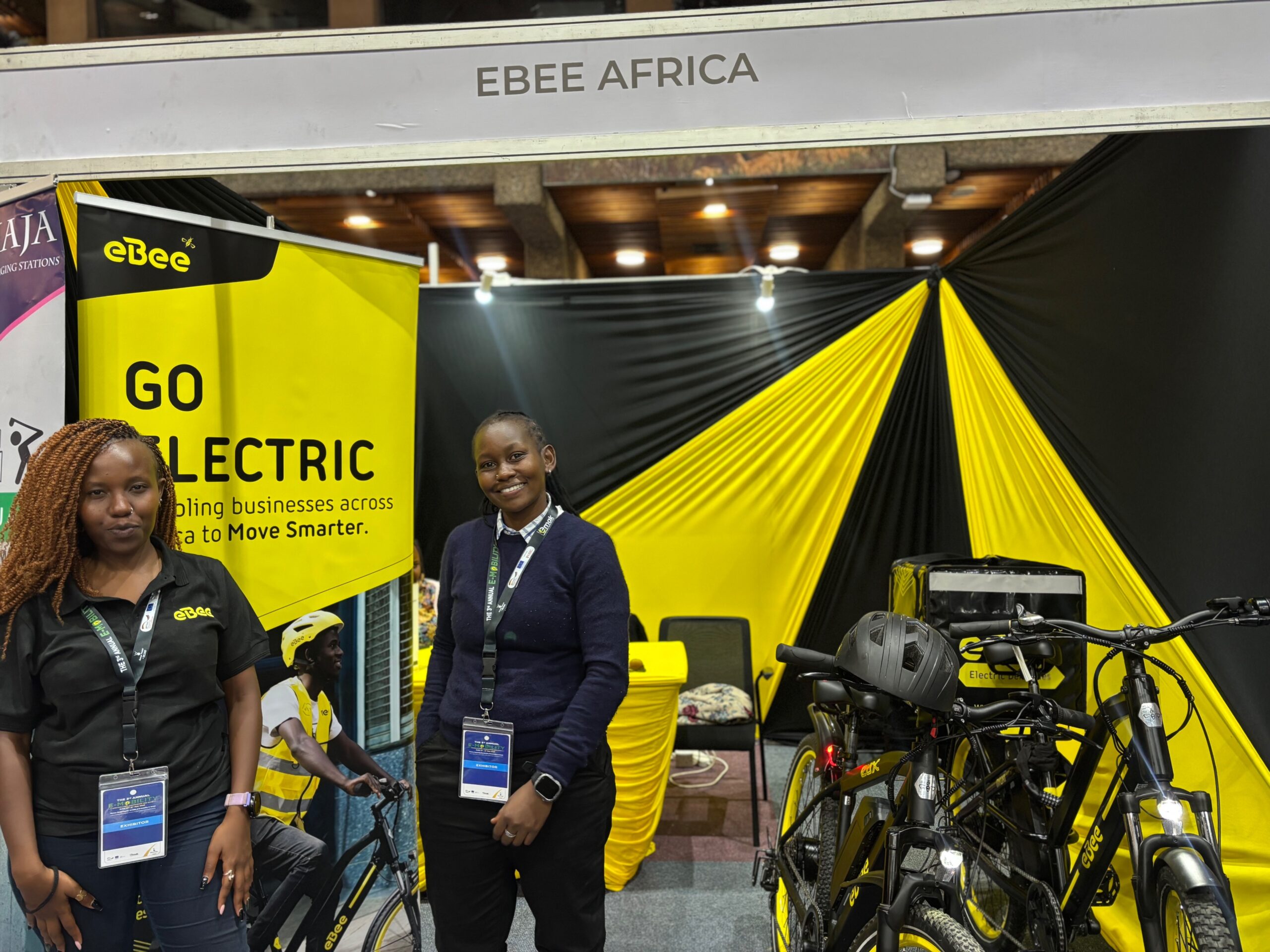
Kenya’s eBee Mobility, once a rising player in the electric bicycle market, has recently laid off the majority of its staff as reported by TechCabal, reflecting the pressures facing the country’s e-mobility sector.
Founded in 2021, the startup aimed to transform urban transport with electric bicycles designed for African cities. Despite ambitious goals and expansion into Uganda and Rwanda, the company faced persistent challenges that culminated in its workforce reduction.
Market dynamics and competition
The Kenyan e-bike market has grown increasingly competitive, with several local players offering products tailored to specific consumer needs.
Ampersand, now rebranded as Alpha, focuses on electric motorcycles (e-motos) for taxi drivers, featuring swappable batteries that can be exchanged in under two minutes and designed to withstand local conditions.


eWAKA provides a diverse range of electric bicycles and motorcycles, including the Shujaa 2.0 cargo bike, Jasiri for longer-distance deliveries, and Buga for urban mobility, all supporting payloads up to 200 kg.
Moja Ride, while less detailed in its offerings, is recognized for providing affordable and sustainable transportation options across the region.

Compared to these rivals, eBee faced difficulties as its imported e-bikes, such as the flagship eBX, remained expensive for many delivery riders, making it harder to gain traction in a market increasingly dominated by locally adapted, cost-effective alternatives.
Financial struggles and operational adjustments
The flagship eBX model, priced at KES 99,999 ($774) or KES 9,500 ($74) monthly to rent, remained unaffordable for many delivery riders, who often opted for cheaper second-hand motorbikes. Even financing options such as eBee’s “Ride Now, Pay Later” program struggled to close the adoption gap. Slower sales, combined with high operational costs, forced the company to restructure, including major layoffs.
Leadership changes and company strategy
In March 2025, CEO Sten Van Der Ham stepped down, leaving local management to navigate a challenging period. The layoffs coincided with this leadership change and a broader plan to restructure eBee’s operations to remain sustainable. While the company continues to serve customers and support models like the Nyuki cargo bike for last-mile deliveries, it is re-evaluating its market strategy to adapt to evolving conditions.
Looking ahead
The eBee Mobility Kenya layoffs underline the realities of scaling an innovative startup in a developing market. Success in Kenya’s electric mobility space requires balancing affordability, regulatory compliance, and customer adoption. eBee’s experience, alongside competitors like Ampersand and eWAKA, illustrates both the potential and the fragility of the sector, offering lessons for startups aiming to grow sustainably in East Africa.
Go to TECHTRENDSKE.co.ke for more tech and business news from the African continent.
Follow us on WhatsApp, Telegram, Twitter, and Facebook, or subscribe to our weekly newsletter to ensure you don’t miss out on any future updates. Send tips to editorial@techtrendsmedia.co.ke
TechTrends Media Podcasts


