Samsung Galaxy S26 Launch Is Getting Close, and the Focus Isn’t Where It Used to Be
February has always worked for Samsung, yet 2026 asks for more than habit and polish.

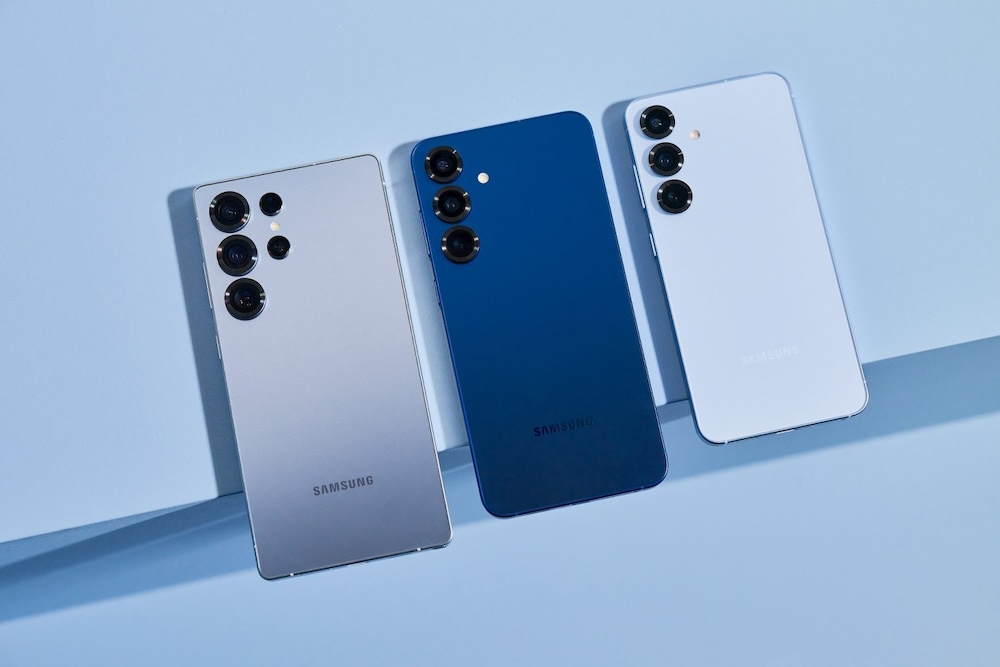
When a launch date surfaces before a company wants it public, the date does some of the talking on its own. February 25 now sits on that calendar, attached to Samsung’s Galaxy Unpacked 2026 after a leaked invite circulated by Evan Blass. The location is missing. The choreography is not. That absence is telling in its own way. Samsung rarely rushes these reveals, and when it settles on late February, it is staking out a familiar stretch of ground between post-holiday demand and spring upgrade cycles.

The expected lineup reads like a continuation rather than a reboot. Galaxy S26, S26+, and S26 Ultra, with Galaxy Buds4 alongside them. Sales, according to the same thread of reporting, should begin in early March. None of this is radical on its face. The interest sits in the emphasis, not the inventory.
Privacy Display moves from footnote to headline
Samsung has already confirmed that Privacy Display will be a central feature of the S26 line. That confirmation matters less as a spec reveal and more as a framing choice. Privacy has hovered around smartphones for years, usually buried in settings menus or pitched as a side benefit. Elevating it to headline status suggests Samsung sees user anxiety not as background noise but as a purchase driver in 2026.
This is not about secrecy in the cloak-and-dagger sense. It is about screens in public, notifications on trains, work messages flashing in cafes. The modern phone is less a personal device than a portable noticeboard. By foregrounding Privacy Display, Samsung appears to be reading the room: people want control without friction, and they want it baked into hardware rather than layered on later.

Whether this resonates beyond early adopters is the open question. Privacy features often photograph poorly on launch stages. They demand explanation. They slow demos. Samsung’s willingness to lean into that risk hints at confidence that the benefit is now intuitive enough to sell itself.
The Buds4 timing tells its own story
The expected debut of Galaxy Buds4 at the same event, with sales starting in early March, aligns neatly with Samsung’s ecosystem logic. Accessories have become pacing tools. They smooth revenue between handset cycles and keep buyers tethered to brand updates even when phones themselves feel incremental.
What stands out is how routine this has become. Earbuds now arrive as part of the same conversation as flagship phones, not as add-ons. That normalization reflects a market where marginal phone gains need reinforcement from surrounding devices. The Buds4 launch is less about novelty and more about maintaining cadence.
There is also a subtle acknowledgment here. Audio hardware evolves faster, and users replace it more often. Pairing Buds4 with the S26 narrative gives Samsung another lever to pull if handset enthusiasm cools.
Reading the leak culture without overplaying it
Evan Blass has built a reputation on accuracy, and Samsung knows this. The company also knows that leaks have become part of the marketing ecosystem, even when they are not officially sanctioned. A leaked invite locks in expectations. It narrows Samsung’s room to maneuver while priming coverage weeks in advance.
What is absent from the leak is as notable as what is present. No design teasers. No feature lists beyond what Samsung has already acknowledged. This restraint suggests a company content to let anticipation build around timing rather than detail. It also hints that the S26 story may rely more on how features are framed than on any single spec jump.
February launches and the long memory of the market
Samsung’s choice of February 25 fits a pattern that has held for several years. Early-year launches allow the company to set terms before rivals flood the spring calendar. It also gives Samsung time to iterate through software updates before mid-year refresh cycles from competitors arrive.
The risk is fatigue. By 2026, consumers have seen this rhythm play out repeatedly. A late-February event must work harder to feel consequential. That pressure likely explains the emphasis on Privacy Display. It is not a spec race move. It is a narrative move.
Samsung is effectively saying that the phone is not just faster or brighter. It is more considerate of how people actually use it in crowded, surveilled environments.
What Samsung seems to be betting on
There is a broader wager embedded in this launch posture. Samsung appears to be betting that trust, or at least perceived control, can differentiate in a market where raw performance has flattened. Privacy Display is a bet on behavior rather than benchmarks.
If that bet holds, future Galaxy launches may lean further into experiential features that resist easy comparison charts. If it does not, the company will still have played within familiar hardware cycles, with Buds4 and early March sales cushioning the outcome.
For now, February 25 stands as a marker. Not because it promises fireworks, but because it suggests Samsung believes the conversation around phones is ready to mature. Whether buyers agree will become clear soon enough, once those screens light up in public places and people notice who can see what, and who cannot.
[Secure Your Seat at Africa Tech Summit Nairobi 2026 | February 11–12 here] Use code TTRENDS10 at checkout to save 10% on your pass and join the leaders building Africa’s $1 trillion cross-border payment future.
Go to TECHTRENDSKE.co.ke for more tech and business news from the African continent.
Follow us on WhatsApp, Telegram, Twitter, and Facebook, or subscribe to our weekly newsletter to ensure you don’t miss out on any future updates. Send tips to editorial@techtrendsmedia.co.ke

